Why The Airbus A380's 4-Engine Layout Costs Airlines Millions More Per Year Than Twin-Engine Rivals
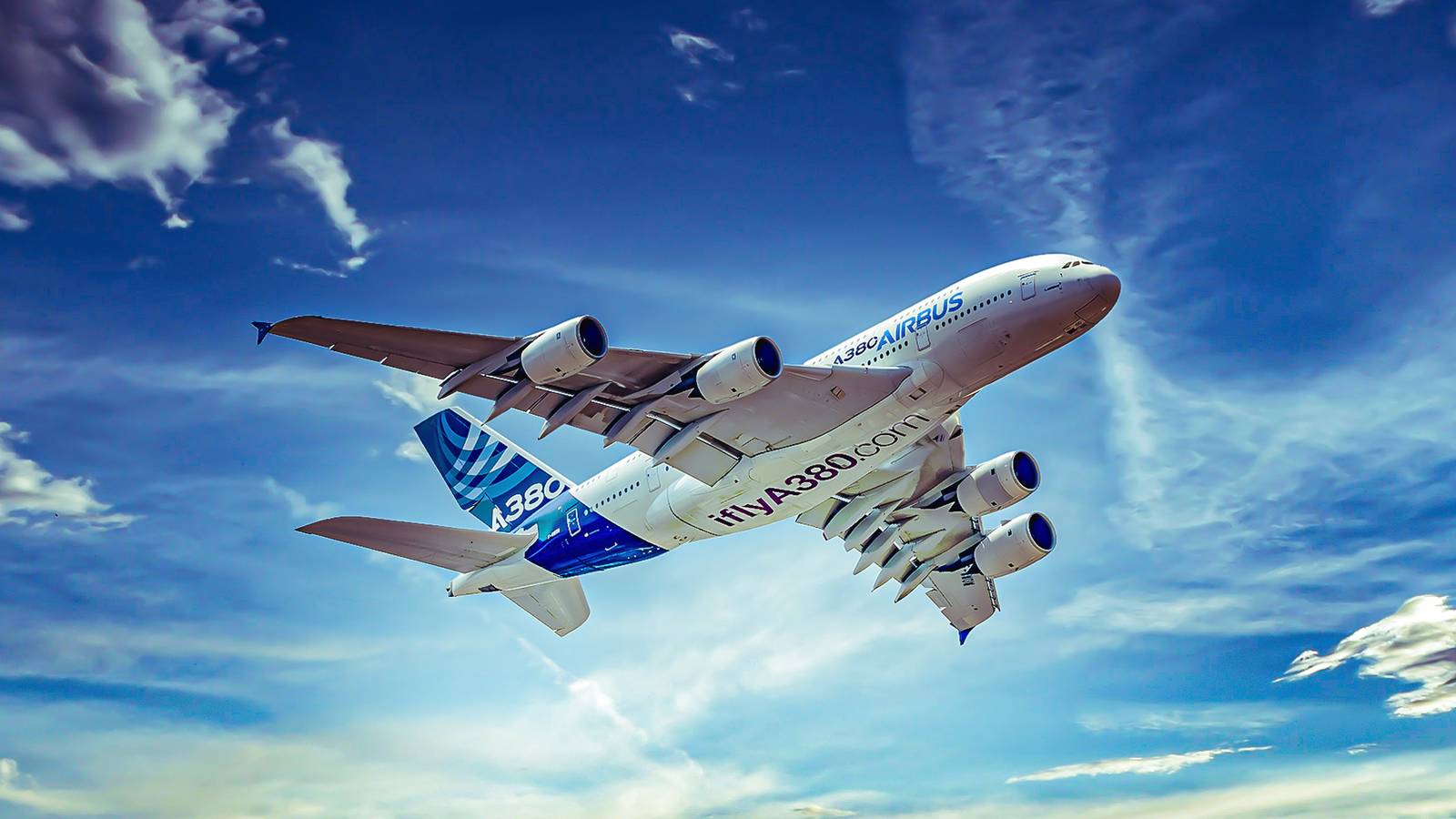
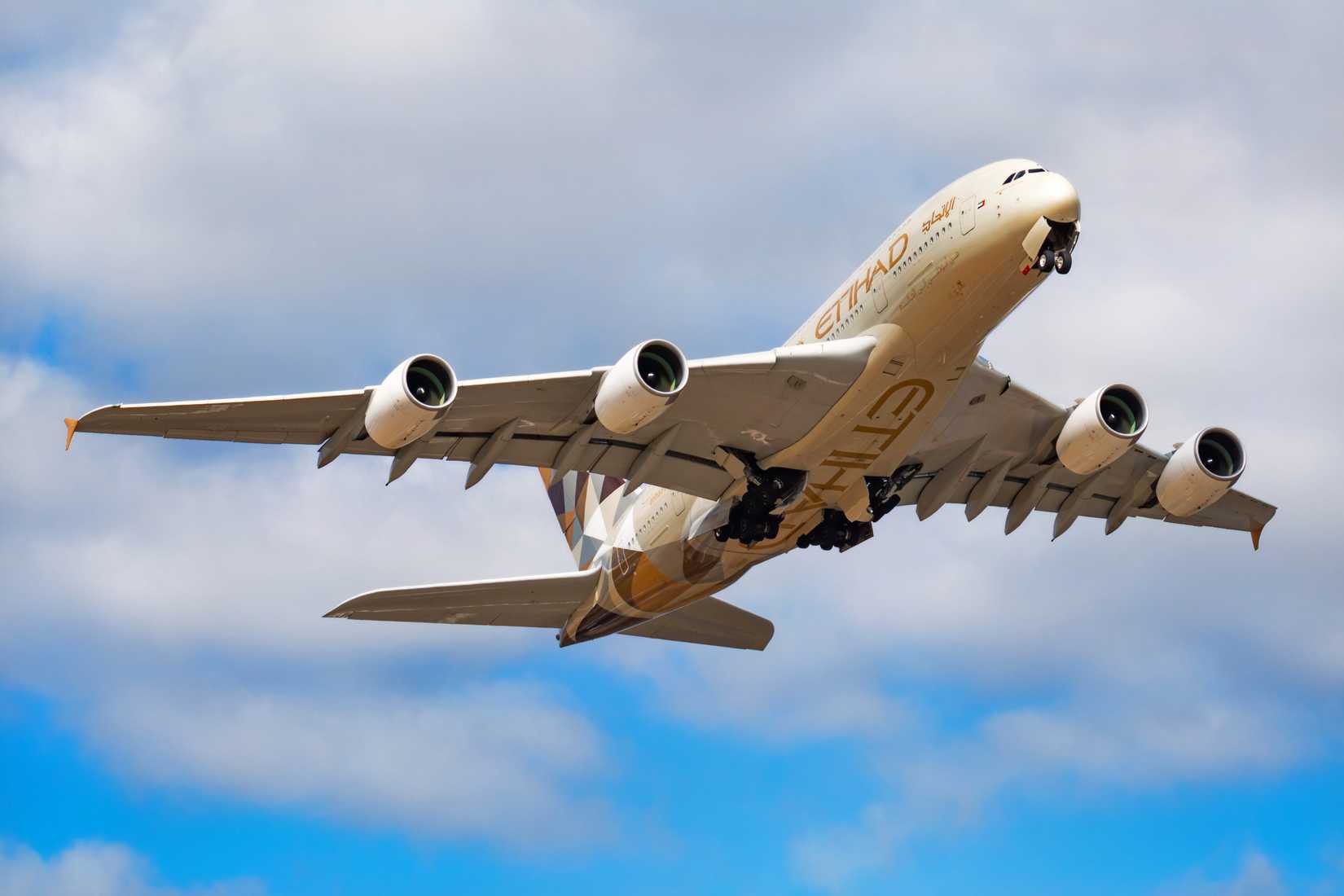
The Airbus A380's four-engine architecture imposes a compounding financial burden on operators that has grown increasingly difficult to justify as twin-engine widebody technology has matured. At the most fundamental level, the aircraft burns approximately 4,600 gallons of Jet-A per flight hour — roughly double the consumption of a comparable Airbus A350-900 on identical long-haul segments. At a baseline fuel price of $2.50 per gallon, that translates to $11,500 in fuel cost for every single hour airborne. Annualized across a typical 4,000-hour utilization cycle, a single airframe accumulates a fuel overhead premium measured in tens of millions of dollars relative to a modern twinjet. The structural physics driving this penalty are straightforward: the A380's maximum takeoff weight of 1,268,000 pounds, driven by the mass of a second passenger deck and the reinforced wing structure required to carry four turbofans, demands sustained propulsive output that no amount of load factor optimization can fully offset.
Maintenance expenditures compound the fuel disadvantage in ways that directly affect flight operations and network reliability. The A380's direct engineering costs run between $6,000 and $8,000 per flight hour, compared to $3,000 to $4,500 per hour for the Boeing 777-300ER and Airbus A350-900. The source of that premium is architectural: four Rolls-Royce Trent 900s or Engine Alliance GP7200s mean four independent sets of high-pressure turbine blades, fuel control systems, and accessory gearboxes accumulating cycle counts simultaneously. When heavy maintenance intervals arrive — C-checks and D-checks — all four powerplants require concurrent overhaul, driving labor hours and parts costs to a scale that twin-engine operators simply do not encounter. Beyond scheduled maintenance, the statistical exposure to unscheduled engine removals is doubled, and because A380-capable maintenance facilities are geographically concentrated, an AOG event away from a primary hub carries disproportionate recovery costs and schedule disruption risk for the entire operation.
The regulatory history underlying the A380's original commercial rationale has largely dissolved, removing the last structural protection the aircraft enjoyed against twinjet competition. Early transoceanic route networks were deliberately architected around four-engine airframes because international rules prohibited twin-engine aircraft from operating on segments where diversion airports were not reachable within a specified time threshold. That regulatory landscape — which effectively granted quad-jets a geographic monopoly on remote oceanic corridors — eroded progressively as ETOPS authorizations expanded, eventually permitting properly certified twinjets to fly routes that once mandated four engines. Modern variants of the Boeing 777X and A350 family now hold ETOPS approvals extending to 330 minutes or beyond, eliminating virtually every transoceanic segment where the A380's four-engine configuration once offered a compliance advantage. What began as a regulatory necessity became an expensive legacy characteristic with no offsetting operational benefit.
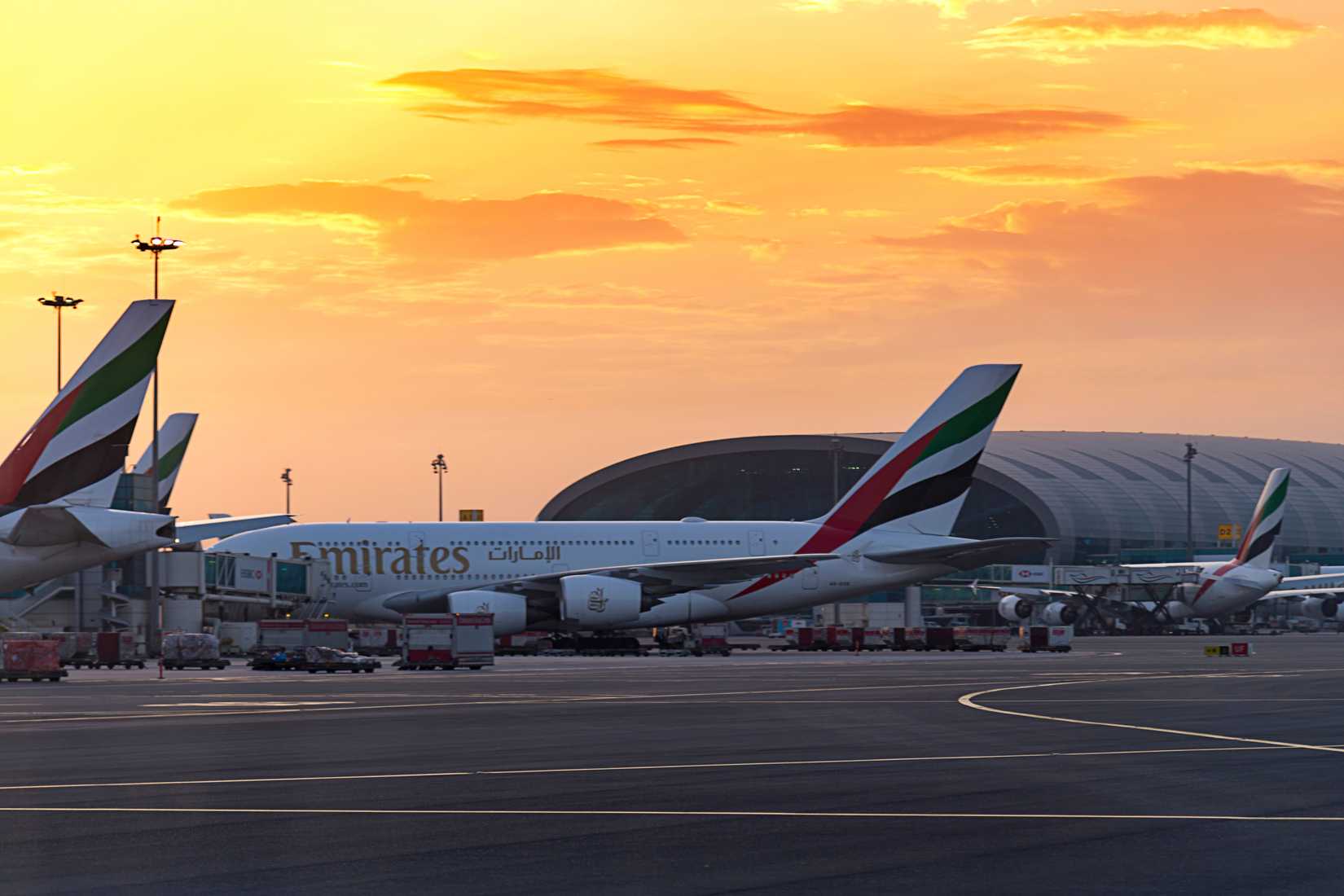
For airline fleet planners and the operators who fly these aircraft, the practical consequence is a narrowing viable mission set for the A380. The type remains commercially defensible on a small number of ultra-high-density trunk routes — principally London Heathrow, Dubai, Singapore Changi, and a handful of Asian hub pairings — where daily seat demand is sufficient to spread the per-flight cost penalty across 500 or more passengers. Emirates, which operates by far the largest A380 fleet, has structured its entire network hub model around this premise, using Dubai International as a consolidation point that generates the load factors needed to make the economics tolerable. Carriers that attempted to deploy the superjumbo on thinner or more dispersed route networks — Air France, Lufthansa, and Thai Airways among them — have either retired or sharply reduced their fleets, finding that the aircraft's per-seat cost advantage disappears rapidly below approximately 85 percent load factor. The A380 consequently functions less as a general-purpose widebody and more as a highly specialized infrastructure asset suited only to operators with the route density and maintenance ecosystem to absorb its fixed cost structure.
The broader lesson the A380's trajectory offers to aviation professionals is a concrete illustration of how propulsion efficiency has become the dominant variable in long-haul fleet economics. The transition from four-engine to twin-engine dominance did not result from a single technological breakthrough but from the convergence of improved turbofan reliability, advanced composite airframes, expanded ETOPS approvals, and persistent fuel price volatility — each development independently eroding the business case for quad-jet operation. For pilots transitioning between fleet types or operators evaluating future equipment, the A380's situation underscores that aircraft with higher powerplant counts now carry not just elevated direct operating costs but also structural fleet management risks: greater exposure to parts supply constraints, higher minimum maintenance infrastructure requirements, and reduced scheduling flexibility when engines require unscheduled attention. The competitive gap between four-engine and twin-engine widebodies will only widen as next-generation twinjet programs — including the Boeing 777X and potential successors to the A350 family — continue to push specific fuel consumption lower while legacy quad-jet designs remain technologically static.











 Read original article