A Look At Why US Navy Pilot Total Compensation Quietly Rivals A Regional Airline First Officer
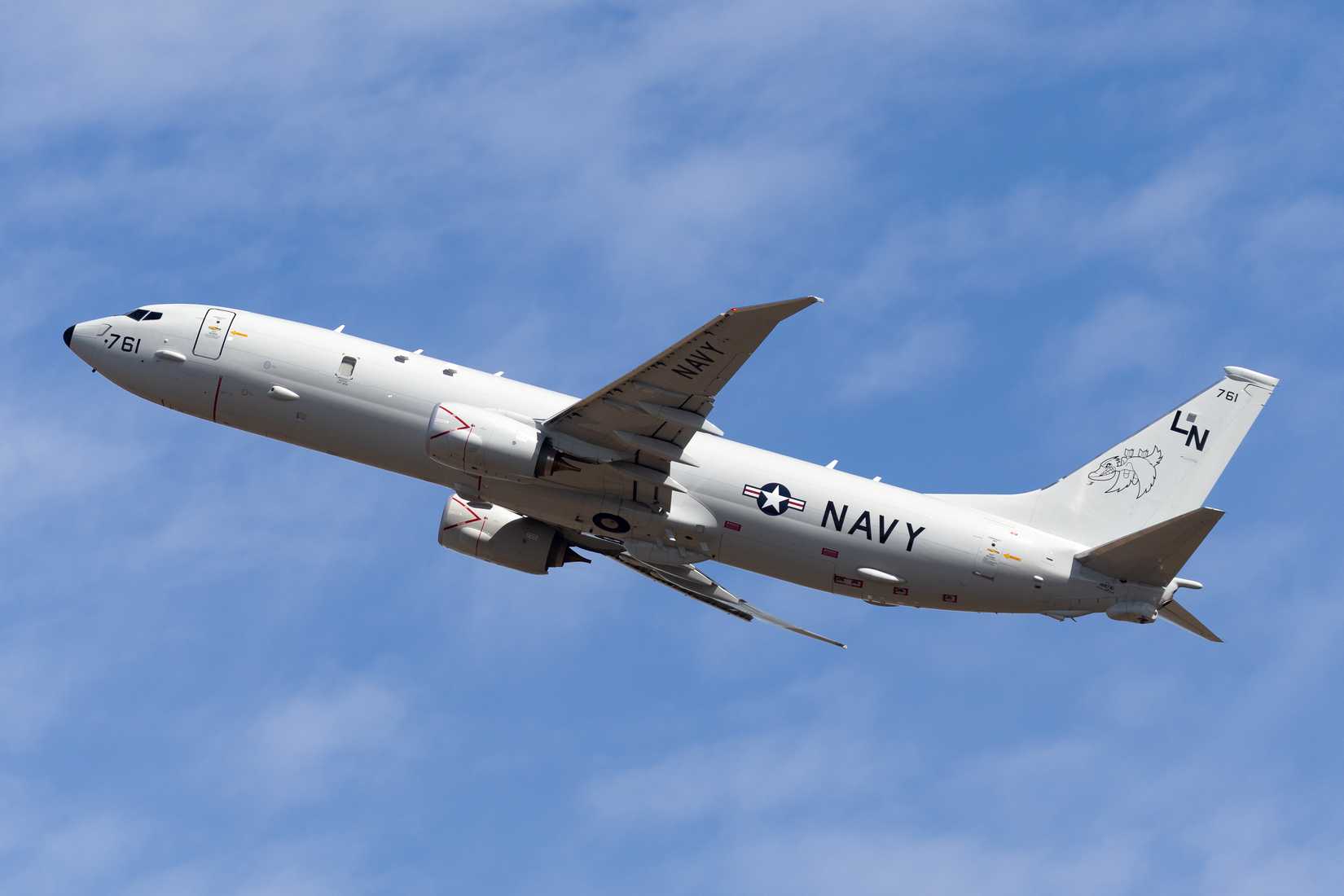
US Navy pilot total compensation has quietly become a serious financial competitor to regional airline first officer pay, a development that carries meaningful implications for how the commercial aviation industry sources its future pilot workforce. The Navy's compensation structure is layered well beyond base pay, which ranges from roughly $50,000 at the O-1 Ensign level to over $172,000 for an O-6 Captain with extensive service. On top of base salary, naval aviators collect Aviation Incentive Pay of up to $840 per month, Aviation Command Retention Bonuses of up to $40,000 annually for multi-year commitments, and select TAR officers at the O-5 rank can access a $120,000 three-year retention bonus. Add tax-free housing and subsistence allowances, and the all-in compensation picture for a mid-career naval aviator draws close to — and in many cases surpasses — what a regional first officer earns during the same career window, particularly in the early years of that comparison.
The structural reason this comparison is relevant now traces directly to the FAA's 1,500-hour rule, implemented in 2013 following the Colgan Air accident. That rule fundamentally reshaped the economics of the civilian pipeline by extending the pre-airline timeline by one to three years and pushing aspirational pilots into low-paying time-building roles, most commonly as certified flight instructors. Flight training costs frequently exceed $100,000 out of pocket before a candidate is employable at a regional carrier. The Navy, by contrast, pays aviators during training and provides a structured, equipment-rich flying environment. When the total financial picture is evaluated across the first decade of a pilot's career, the military route has historically offered a more defensible economic outcome, particularly when civilian pilots were spending two to five years at regionals before reaching a legacy carrier.
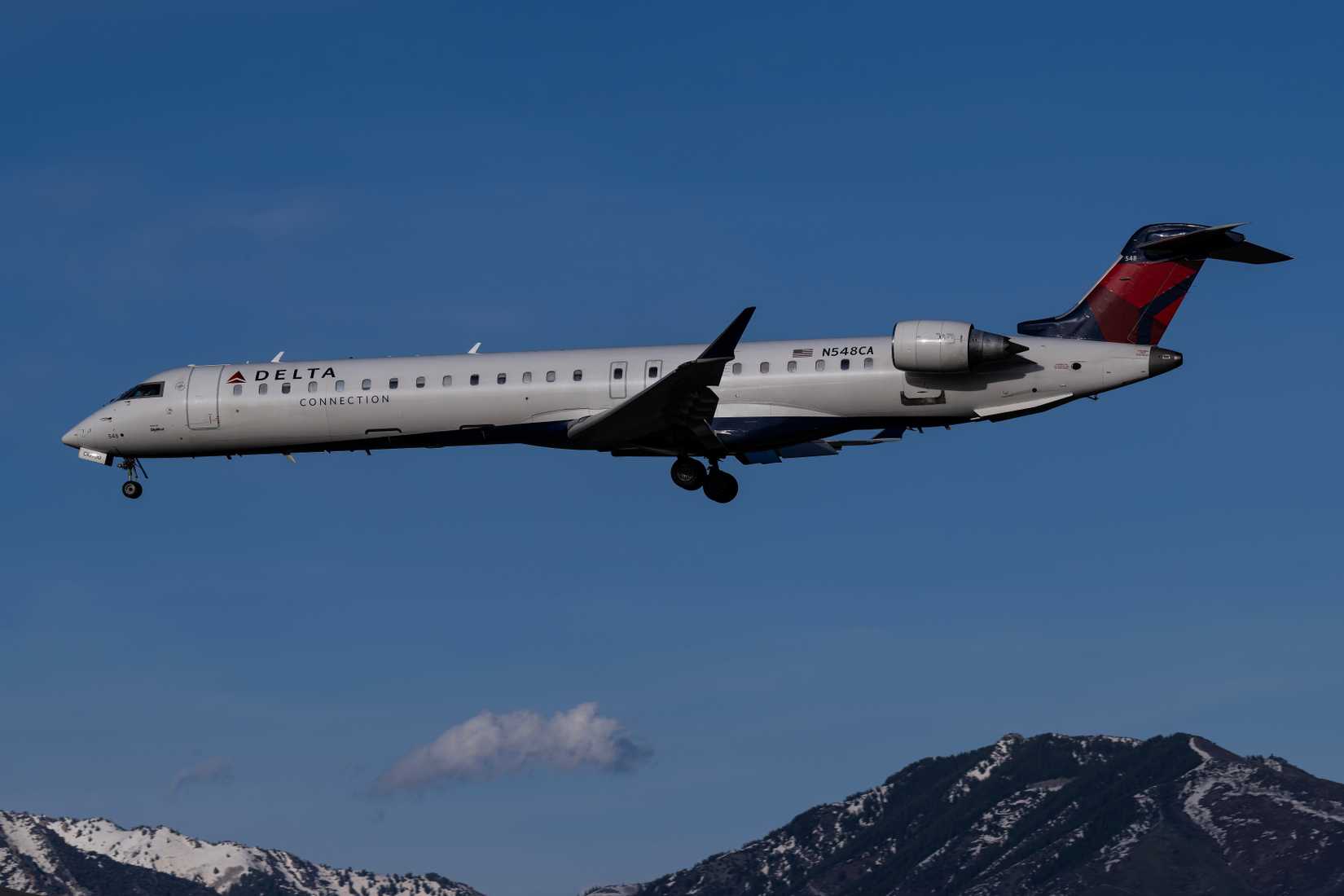
What has shifted the calculus in recent years is the pace of legacy carrier hiring and the proliferation of regional-to-mainline flow programs at American, Delta, and United. The civilian pathway has compressed in timeline, with legacy carriers now routinely hiring pilots in their late twenties — an age bracket that military pilots cannot reach the airline flight deck by virtue of their service obligations. A naval aviator's ten-year commitment, including roughly two years of training and eight years of required service post-qualification, keeps that pilot in uniform until their early to mid-thirties. That delay matters enormously when legacy pay scales are now significantly front-loaded compared to historical norms, and when the pension and longevity value of earlier seniority numbers is factored in.
For corporate and Part 91/135 operators, this dynamic is relevant because the same military pipeline that has historically supplied experienced, instrument-proficient, high-time pilots to the regional and legacy system also feeds business aviation. Ex-military aviators transitioning out of the Navy or Air Force at O-4 and O-5 ranks bring type-specific discipline, crew resource management depth, and often turbine time that makes them immediately competitive candidates for charter, fractional, and corporate flight department roles. As legacy carriers compete aggressively for this cohort with signing bonuses and accelerated upgrade timelines, business aviation operators face upward pressure on compensation packages to remain competitive in the same labor pool. The Navy's own retention struggles — the article notes the service broadly struggles to keep pilots — suggest that transition flow from military to civilian aviation continues, but the volume and timing of that flow is increasingly shaped by the relative attractiveness of military retention bonuses versus the civilian pay acceleration now available at major carriers.
The broader trend this reflects is an aviation labor market that remains structurally tight at nearly every level. Regional salaries have increased sharply, legacy salaries are at historical highs, military retention bonuses have grown in response, and the civilian training pipeline remains expensive and time-consuming relative to the earning potential at entry level. For airline operators and flight departments doing workforce planning, the competitive equivalence between Navy compensation and regional first officer pay is not merely an interesting data point — it signals that military-sourced pilots will continue to be aggressively recruited from multiple directions simultaneously, and that the supply of experienced transitioning aviators will remain constrained relative to demand across the commercial and business aviation sectors.








 Read original article