Is It True That The Boeing 777X's Composite Wing Took Longer To Build Than The Entire 787 Program?
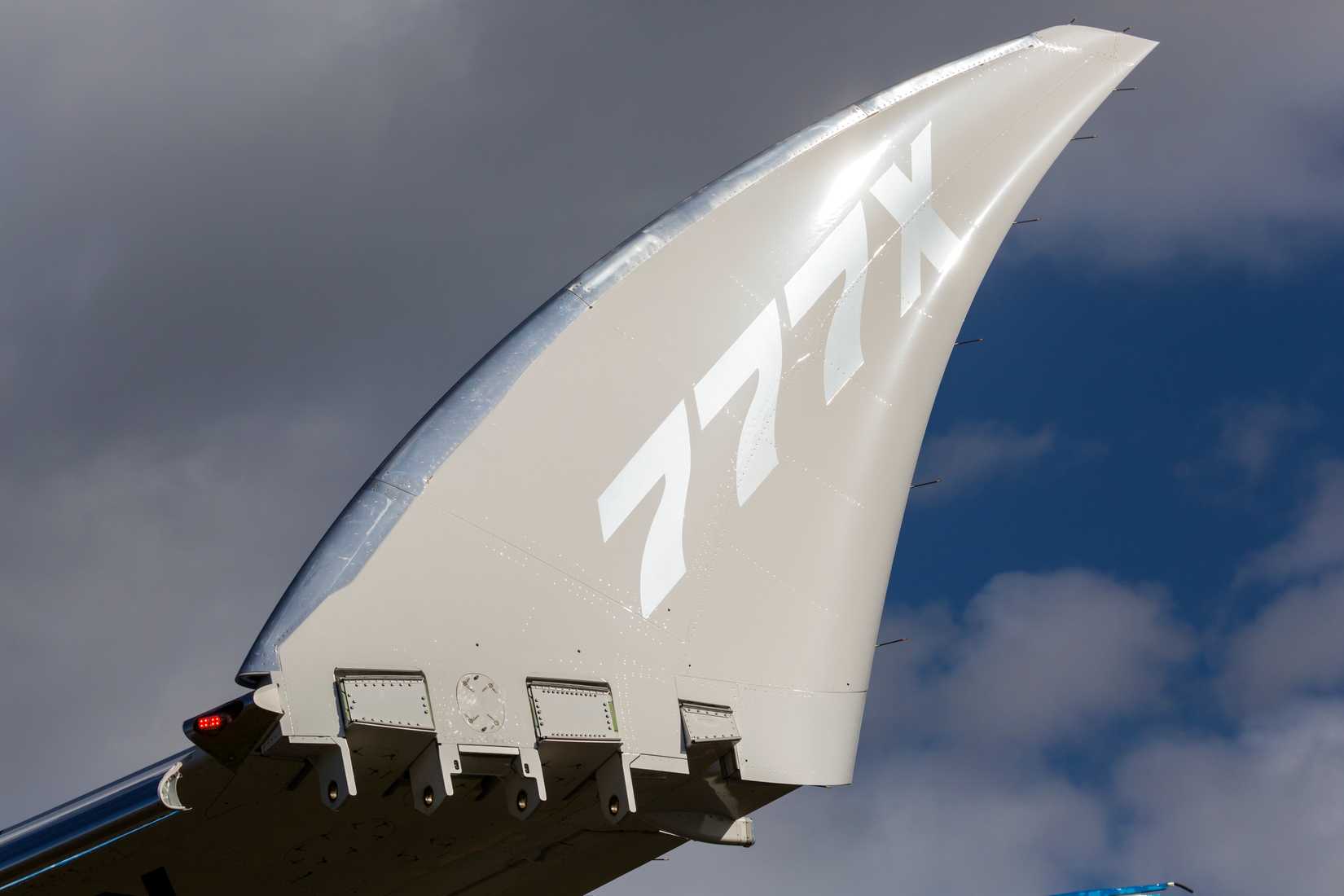
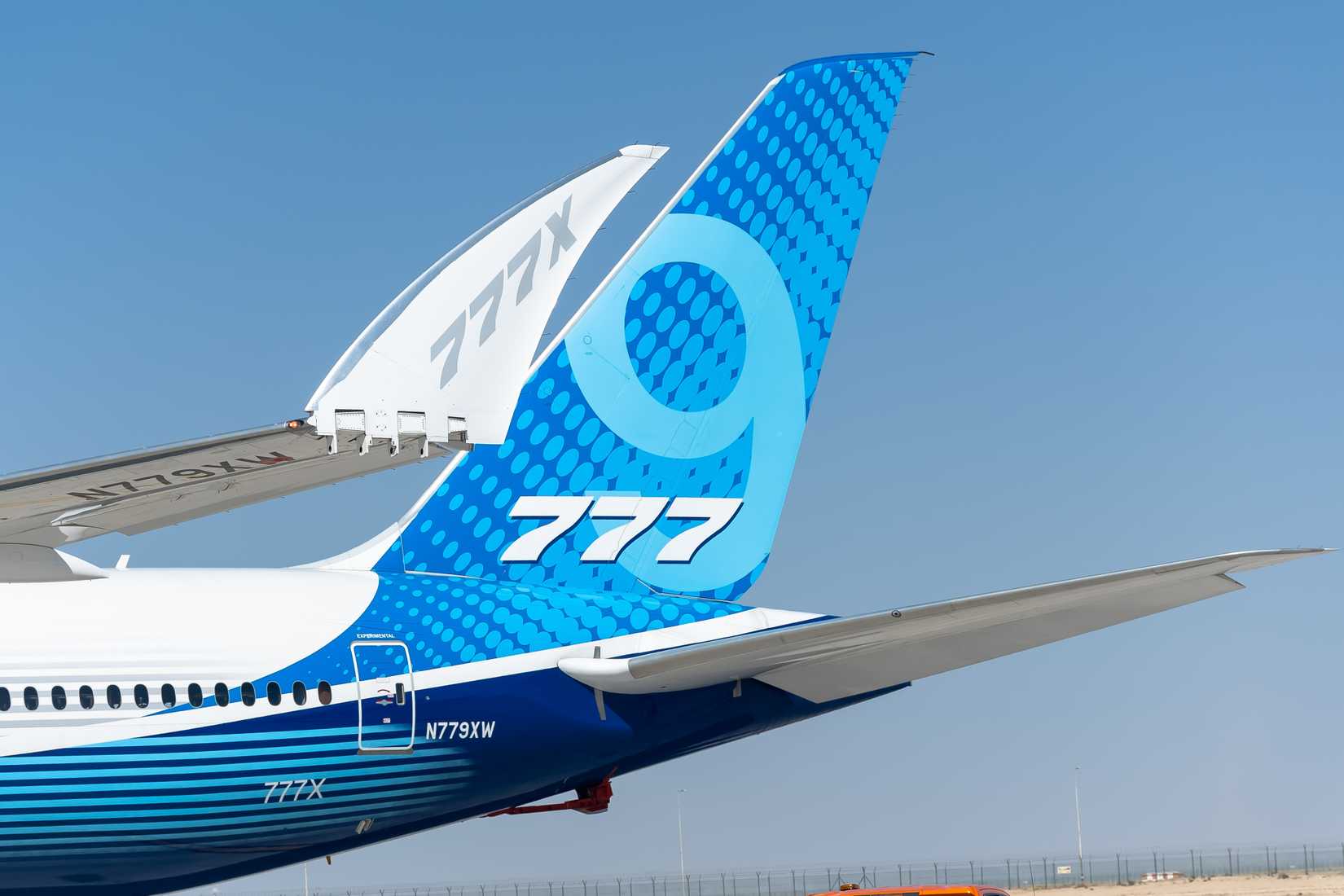
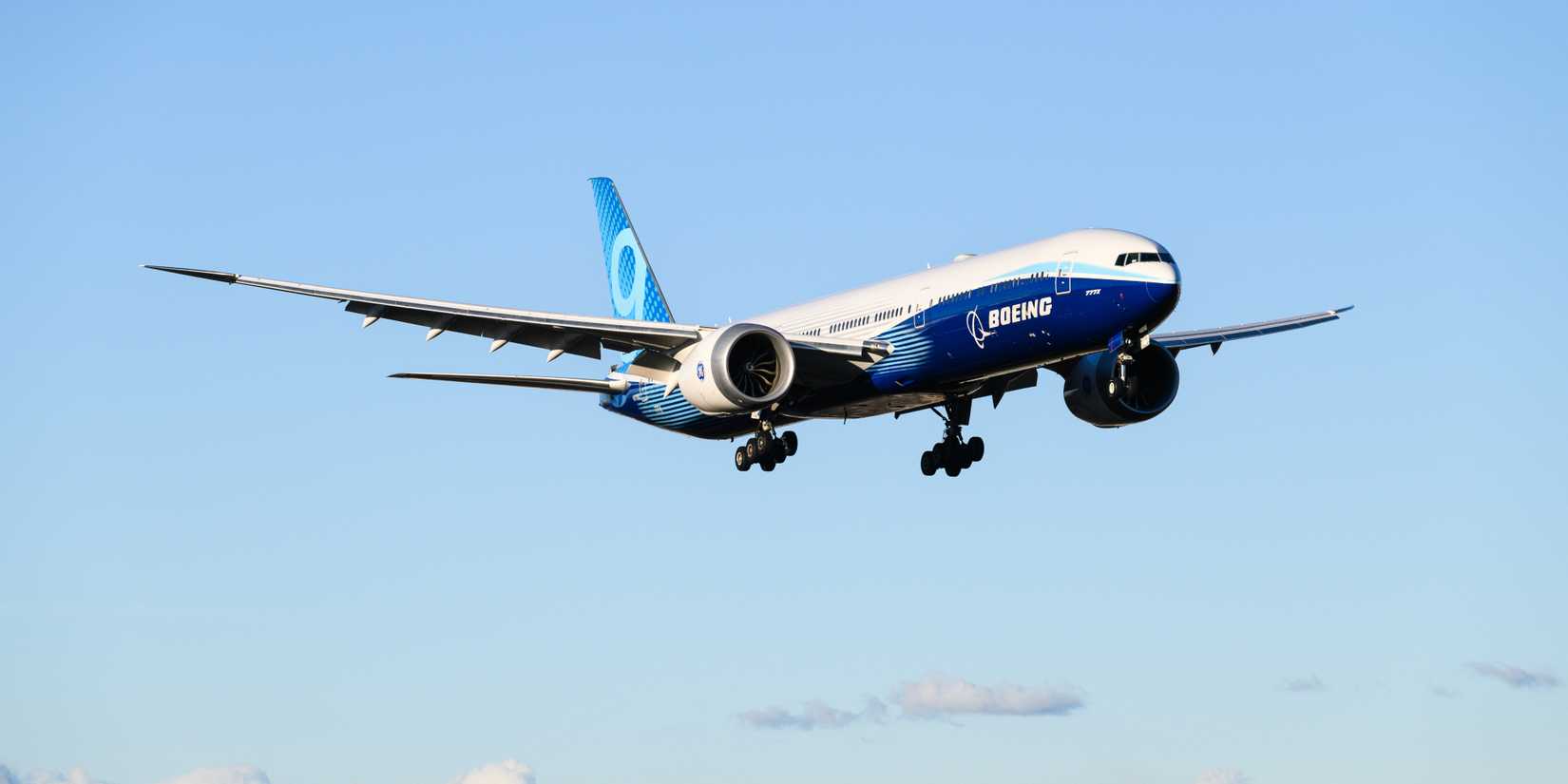
Boeing's 777X program has accumulated the longest development-to-service timeline of any modern commercial airliner, with the 777-9 projected to span approximately 14 years from its 2013 launch to anticipated 2027 entry into service. For context, the Boeing 787 Dreamliner — a true clean-sheet design employing 50% composite materials by weight — traveled from its 2004 launch to first flight in just 5.7 years and entered revenue service by 2011. The claim that the 777X composite wing alone took longer to build than the entire 787 program contains meaningful truth: Boeing's dedicated Composite Wing Center facilities were constructed between 2014 and 2016, major production commenced around 2017–2018, and the first completed wing emerged in 2018 — roughly five years into a program whose launch date predates that first wing by half a decade. The 777X's carbon fiber composite wing, spanning wider than any previous 777 variant, incorporates folding wingtip technology that Boeing engineers had considered for earlier 777 and 747 derivatives but never executed, making it one of the most mechanically and regulatorily complex wing programs in the manufacturer's modern history.
The extended timeline, however, cannot be attributed to the wing alone. The broader 777X program has absorbed compounding shocks that no development schedule could have adequately pre-hedged: the grounding of the 737 MAX following two fatal crashes redirected FAA regulatory attention and internal Boeing engineering resources, the COVID-19 pandemic disrupted supply chains and flight test operations, and Boeing's overall relationship with its primary regulator underwent a fundamental reset in terms of oversight intensity. The folding wingtip mechanism itself represents a genuine certification frontier — moving structural elements on wings during ground operations introduce failure mode scenarios that regulators must evaluate exhaustively, and the FAA's post-MAX posture means that novel mechanical systems receive scrutiny calibrated to worst-case consequences rather than historical precedent.
For airline operators and flight departments currently operating 777-300ER aircraft or planning long-range widebody acquisitions, the 777X delay carries direct fleet planning implications. The 777-300ER entered service in 2004 and remains the dominant large-cabin, long-range widebody in the global fleet, but it is competing against the Airbus A350-1000 — a clean-sheet aircraft that drove Boeing's decision to launch the 777X in the first place. Airlines that ordered 777Xs expecting 2020 delivery have now managed aging 777-300ER fleets through multiple extension cycles, and the ongoing delay continues to compress the economic service life window operators expected when placing orders. Some carriers have responded by acquiring additional A350-1000s as bridge assets, a dynamic that further erodes Boeing's competitive position in the ultra-long-range widebody segment.
The 777X program sits within a broader industry pattern in which re-engined and upgraded derivatives — the A320neo, A330neo, and 737 MAX — consistently achieved service entry in four to six years from launch, while clean-sheet programs and heavily modified platforms routinely exceed seven years and frequently encounter structural or certification overruns. The 777X straddles both categories uncomfortably: it retains the metallic fuselage architecture of the original 777 family, meaning it carries legacy structural constraints, while simultaneously introducing clean-sheet-level complexity in its propulsion system (the GE9X engine) and wing design. That hybrid profile has proven to be neither as low-risk as a straightforward re-engining nor as well-resourced from the outset as a true clean-sheet effort. For professional pilots and operators evaluating fleet transitions, the 777X experience reinforces that published entry-into-service dates on development-stage programs carry material uncertainty, and that aircraft incorporating first-of-kind structural mechanisms — particularly those requiring active regulatory interpretation — should be modeled conservatively in long-range fleet planning cycles.











 Read original article