How Much Do Boeing 777 Captains At The World's Top 5 Carriers Actually Earn In 2026?
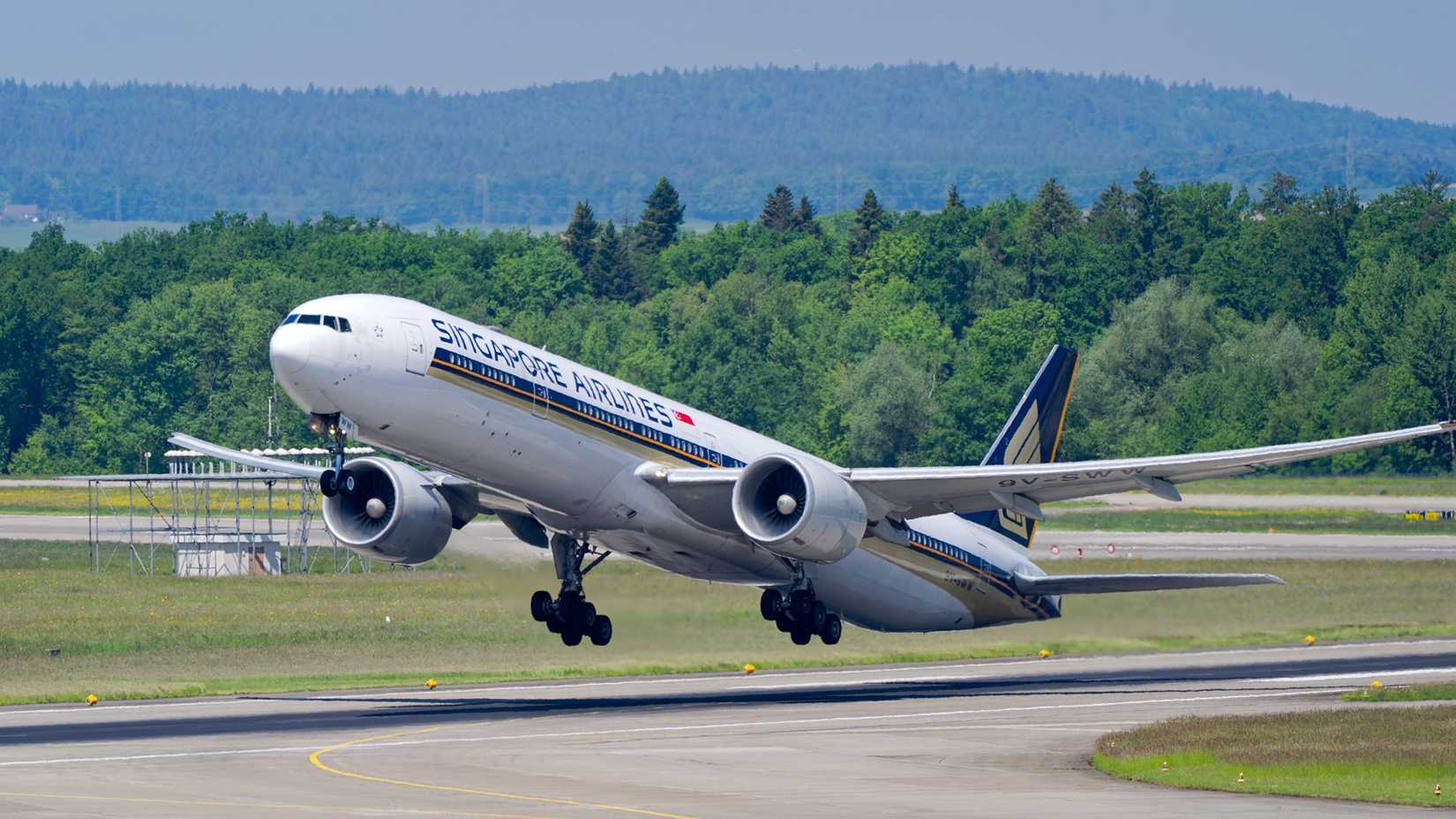
Boeing 777 captain compensation at the world's leading carriers in 2026 reveals a critical disconnect between published salary figures and actual take-home pay, a gap that is reshaping how experienced pilots evaluate career opportunities across international markets. While gross earnings at carriers such as Lufthansa and Singapore Airlines appear competitive on paper — ranging from roughly $120,000 to $330,000 and $194,000 to $298,000 respectively — the net value of those packages diverges sharply depending on national tax structures. Germany's progressive tax regime, which imposes effective burdens of 42% to 45% on high earners, can reduce a senior Lufthansa captain's annual take-home to approximately $185,000, a figure that sits well below what the gross number suggests. Singapore Airlines, by contrast, benefits from an effective tax rate of roughly 18% for top earners, allowing senior 777 commanders on ultra-long-haul routes to retain between $180,000 and $245,000 annually — approaching their German counterparts in net terms despite a lower gross ceiling.
The tax dimension has become a genuine operational concern for airline human resources departments, not merely a personal finance consideration for individual pilots. European carriers, Lufthansa Group chief among them, are experiencing measurable pilot movement toward lower-tax jurisdictions as the global widebody pilot shortage continues to tighten the labor market. The phenomenon is compounded at Lufthansa by citizenship and licensing requirements — EU or Swiss nationality, an EASA certificate, and German language proficiency are all prerequisites — which structurally limits the available pilot pool and reduces the competitive pressure that foreign recruitment might otherwise create. Singapore Airlines faces a parallel dynamic; while the tax environment is favorable, strict local hiring preferences and residency criteria constrain the inflow of foreign-national applicants seeking to capitalize on the airline's compensation structure.
For professional pilots operating in Part 91, 91K, or 135 environments in the United States, this compensation landscape carries direct relevance. The article's framing of the U.S. Big Three as comparison points reflects the widely acknowledged reality that American major carrier contracts — particularly post-2023 contract cycles at United, Delta, and American — have set new benchmarks for widebody captain pay that international carriers are actively benchmarking against. Business aviation operators recruiting from the major airline pipeline are affected downstream: when total compensation packages at legacy carriers become more attractive in net terms relative to international alternatives, the pool of experienced heavy-jet pilots considering corporate or charter positions contracts further. The ongoing global shortage of type-rated 777 and A350 commanders means that any carrier failing to account for the after-tax value of its compensation package risks losing experienced flight crew to competitors who structure pay with net retention in mind rather than gross headline figures.
The broader trend illustrated by this analysis is the maturation of pilot compensation benchmarking as a sophisticated, multi-variable discipline rather than a simple salary comparison. Route assignments, productivity incentives, layover allowances, profit-sharing structures, retirement contributions, and the tax environment of the country where a pilot is domiciled all materially affect the real economic outcome of an employment decision. Singapore Airlines' supplemental payments tied to stronger financial years and ultra-long-haul route assignments demonstrate how airlines are increasingly using variable compensation to manage cost structures while remaining competitive for top-tier talent. As global aviation continues its post-pandemic capacity expansion and the generational pilot retirement wave accelerates through the late 2020s, airlines and operators across all sectors will face intensifying pressure to present compensation packages in net, not gross, terms if they intend to attract and retain the experienced 777-class captain workforce that widebody operations require.





 Read original article