Why Delta Air Lines' Brand-New Airbus A321neos Are Sitting In The Desert While It Flies 44 Recliners Instead
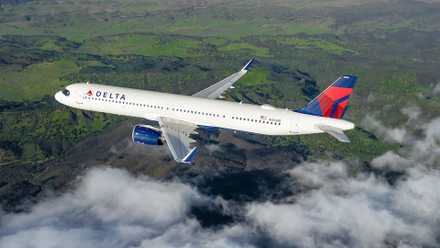
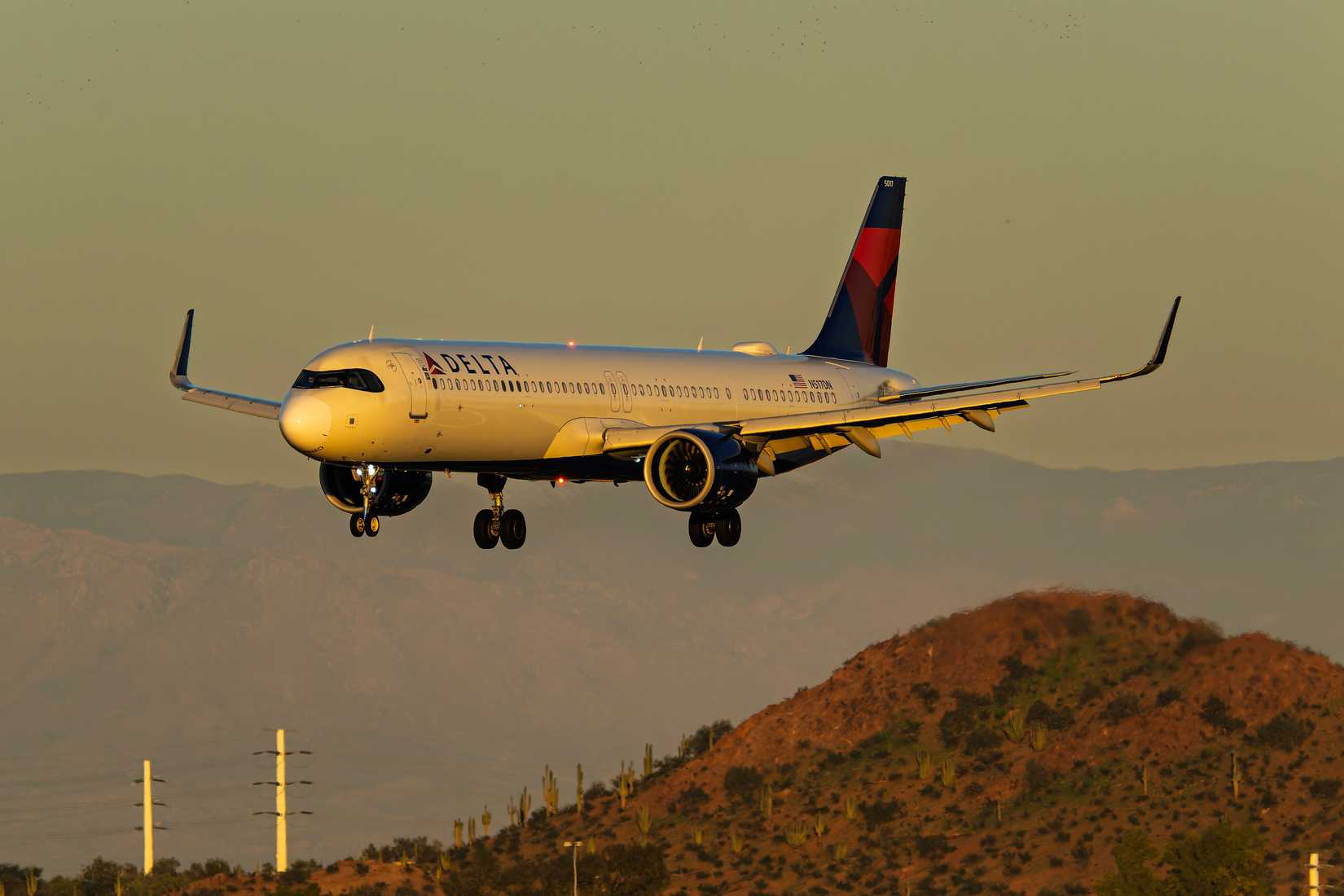
Delta Air Lines' decision to store newly delivered Airbus A321neos in desert facilities rather than place them into revenue service underscores a rarely discussed vulnerability in modern airline fleet strategy: the growing complexity of premium cabin interiors has made seat certification a potential single point of failure capable of paralyzing entire programs. The airline accepted delivery of multiple A321neos configured around the Safran Vue business class seat, a reverse-herringbone design offering window-facing lie-flat suites intended to anchor Delta's premium transcontinental product on high-yield routes such as JFK–LAX. When FAA certification of the Vue seat stalled — reportedly due to human factors testing and crashworthiness compliance requirements — the airline found itself holding assets worth hundreds of millions of dollars that could not legally carry paying passengers in their intended configuration. The aircraft did not have a defect, the engines were not grounded, and no airworthiness directive was in play. A seat that had not yet cleared regulatory review was sufficient to render the entire aircraft operationally unusable in its designed form.
The FAA's certification standards for passenger seating are rigorous by design, and the agency's scrutiny of novel interiors configurations has intensified as premium cabin designs have grown increasingly complex. Reverse-herringbone layouts differ meaningfully from established herringbone geometries in terms of passenger egress paths, seatbelt load dynamics, and the interaction between privacy shells and emergency evacuation flow. Each of those factors requires independent demonstration of compliance, and any departure from a previously certified baseline can require re-examination of assumptions the manufacturer and airline had treated as settled. The Safran Vue, as a genuinely new product rather than an incremental modification of an existing certified design, would have entered this review process with fewer established reference points, making timeline predictability inherently difficult. For operators and fleet planners, this dynamic represents a structural risk: the more differentiated and innovative a cabin product is, the less predictable its path through regulatory approval becomes, and the more exposure an airline carries when it sequences fleet deliveries around a certification timeline it does not control.
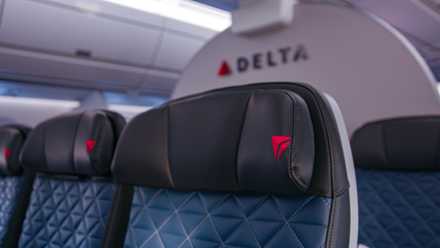
For working pilots and aviation operators, the Delta situation illustrates how fleet strategy decisions made years in advance by planning and commercial teams can create operational realities that affect crewing, training, route qualification, and type-specific procedures. An A321neo operating with 44 domestic recliners occupying nearly half the cabin presents a meaningfully different passenger load profile, weight-and-balance consideration, and revenue composition than the premium transcontinental configuration it replaced. Line crews briefed on one aircraft configuration are suddenly operating a materially different product. Training departments must account for interim cabin layouts that may be temporary but still require updated documentation. For Part 135 and charter operators watching the situation from the outside, the episode reinforces the value of conservative assumptions when building fleet introduction timelines around cabin products sourced from manufacturers whose certification schedules lie outside the operator's direct control.
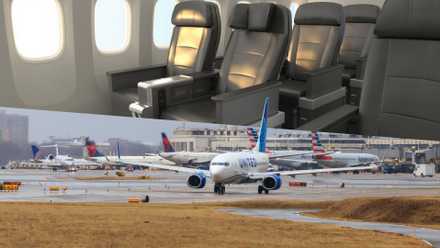
The broader competitive context amplifies why the delay carries such strategic weight for Delta. The domestic premium transcontinental segment — particularly the JFK–LAX and JFK–SFO corridors — has become one of the most intensely contested markets in US aviation, with JetBlue's Mint product and American Airlines' Flagship Suite offerings having already established market presence and customer loyalty among high-frequency business travelers. Delta's Safran Vue program was explicitly designed to provide a product that would differentiate the carrier in this space, and every month those aircraft sit idle or operate with interim cabins is a month during which competitors retain their positioning advantage. The temporary 44-recliner configuration, while commercially defensible as an interim measure, does not deliver the lie-flat, direct-aisle-access experience that defines the premium transcontinental standard, meaning Delta is effectively funding its fleet renewal program while deferring the revenue and brand premium that justified the investment in the first place.
The Delta A321neo situation reflects a maturation challenge confronting the entire airline interiors industry. As carriers have pushed suppliers to develop increasingly distinctive cabin products — driven by the competitive premium placed on differentiation in business and first class — the gap between design ambition and regulatory certification timelines has widened. Manufacturers face pressure to innovate faster, while regulators are appropriately unwilling to compress safety reviews to accommodate commercial schedules. For airlines, the lesson may be that premium cabin programs require not just lead time for manufacturing and training, but meaningful regulatory buffer built into fleet introduction plans — particularly when the seat design represents a genuine departure from previously certified configurations. The cost of that buffer, measured in parked aircraft and deferred revenue, is now visible to the entire industry in the Arizona desert.















 Read original article