Why The B-52's New Rolls-Royce Engines Will Make America's 70-Year-Old Bomber More Efficient Than Ever
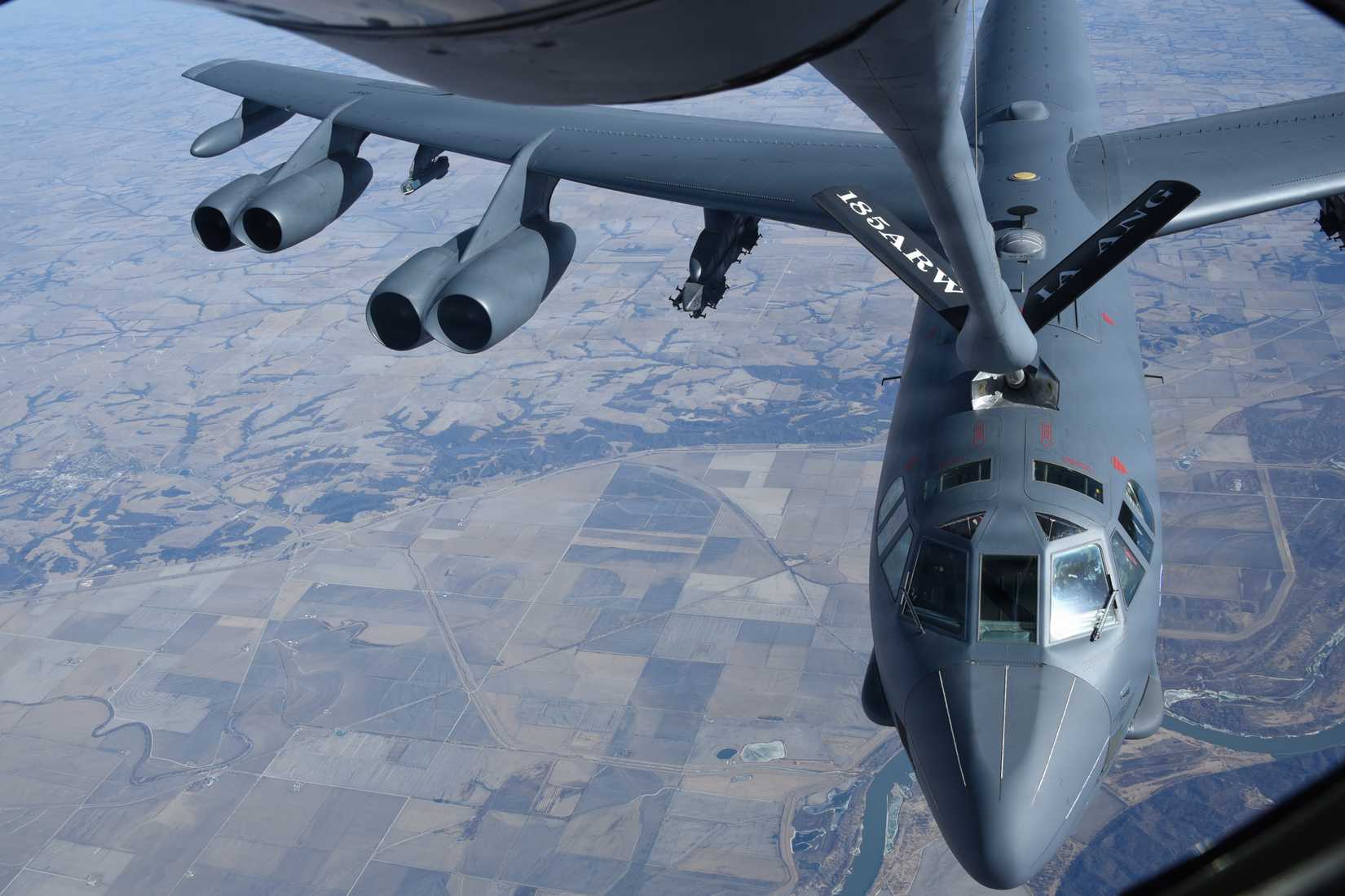
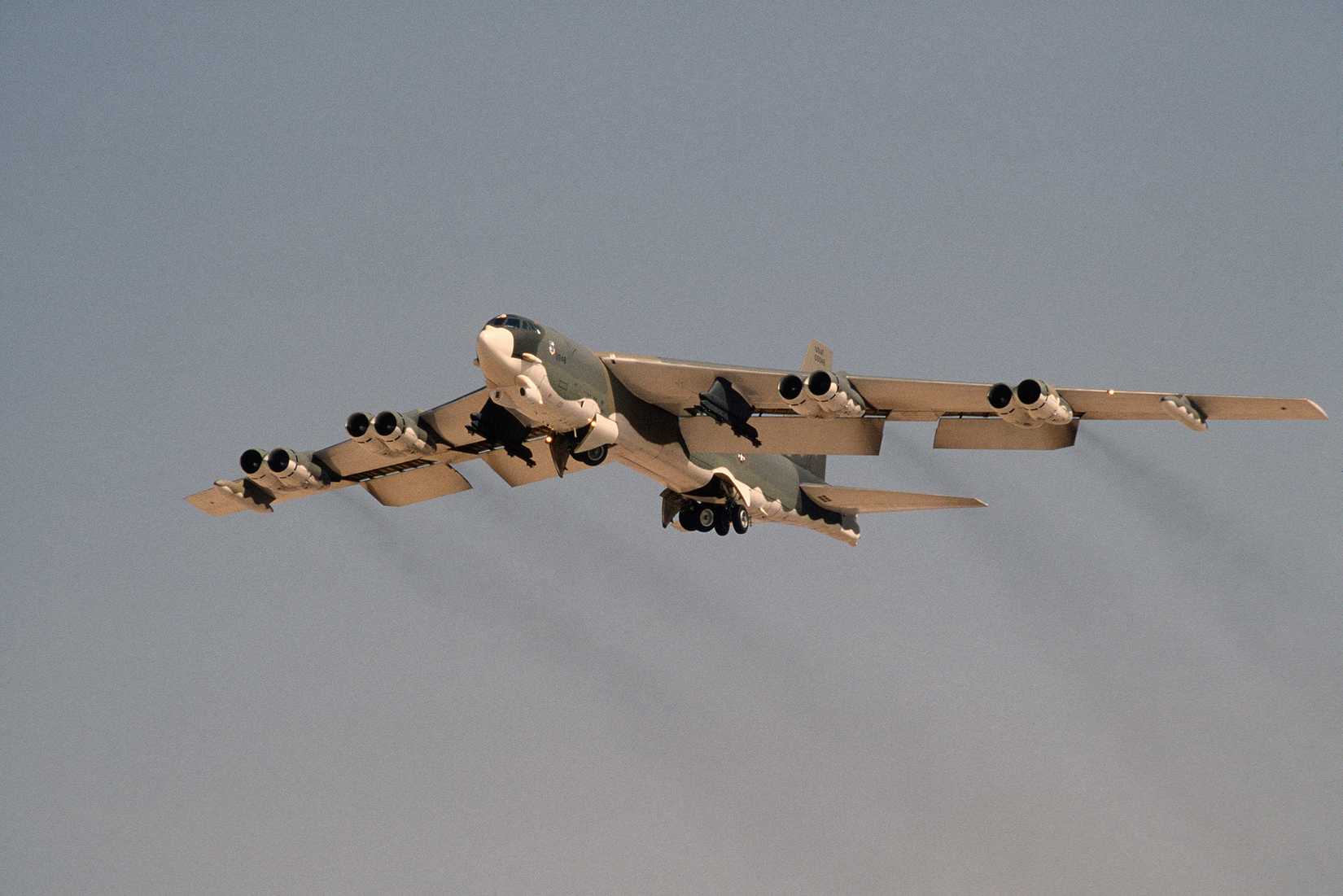
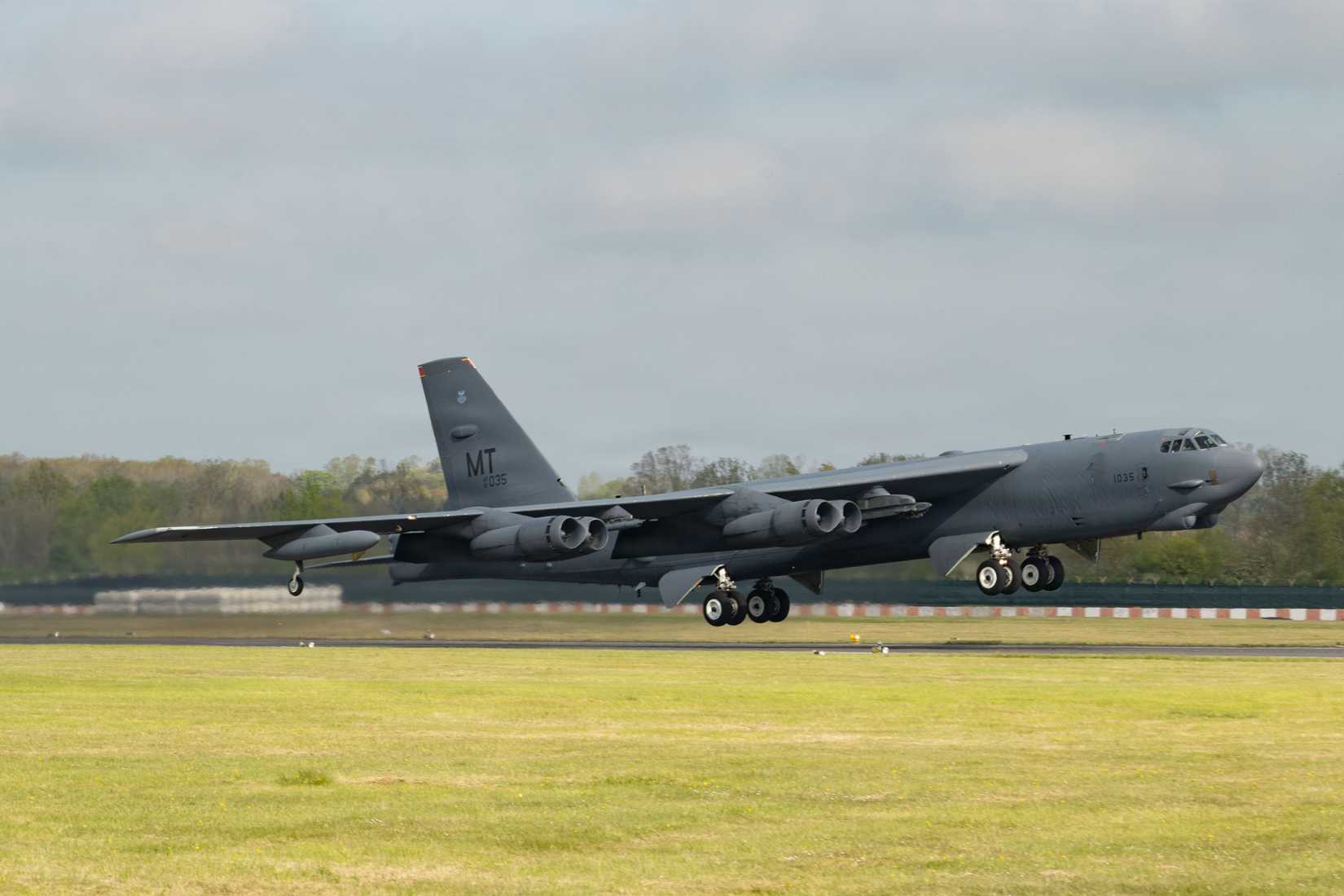
The United States Air Force's Commercial Engine Replacement Program represents one of the most consequential propulsion upgrades in modern military aviation, equipping the Boeing B-52 Stratofortress with Rolls-Royce F130 turbofans in place of the legacy Pratt & Whitney TF33s that have powered the aircraft since the early 1960s. The core engineering argument mirrors what commercial aviation proved decades ago: high-bypass turbofan architecture extracts dramatically more thrust per pound of fuel burned. The F130's bypass ratio of 4.2:1 — compared to the TF33's 1.4:1 — moves substantially more air around the core rather than through it, producing identical thrust output of 17,000 pounds per engine while reducing fuel burn from approximately 3,200 pounds per hour to 2,225 pounds per hour per engine. Across eight engines, that translates to a fleet-wide fuel consumption reduction of roughly 30 percent, extending unrefueled range and combat loiter capability in ways that will materially reshape how Air Force Global Strike Command employs the aircraft. Initial operating capability for the first combat-ready B-52J squadron is targeted for 2033, with the airframe now projected to remain in active service through at least 2050 — meaning individual B-52 fuselages will accumulate between 90 and 100 years of continuous military service.
For professional pilots, the most technically significant element of the transition is the replacement of hydro-mechanical engine controls with a dual-channel FADEC — Full Authority Digital Engine Control. Commercial and business aviation operators have relied on FADEC-equipped powerplants for decades, and the advantages are well understood: tighter fuel scheduling across the power curve, consistent thrust repeatability regardless of ambient conditions, reduced pilot workload during abnormal situations, and more precise engine health monitoring data for maintenance crews. The B-52's TF33 predates digital engine management entirely, which has meant manual bleed air management, less precise throttle response, and maintenance demands calibrated to 1950s engineering tolerances. The F130's FADEC eliminates much of that analog complexity and brings the bomber's engine management architecture into alignment with what crews flying any modern turbofan — from a CFM56-equipped 737 to a Rolls-Royce Pearl-powered Global 7500 — already take for granted. The engine is also physically lighter by 500 pounds per unit and shorter by 39 inches, meaningful considerations for an airframe that has never been modified to accommodate a different powerplant in its operational life.
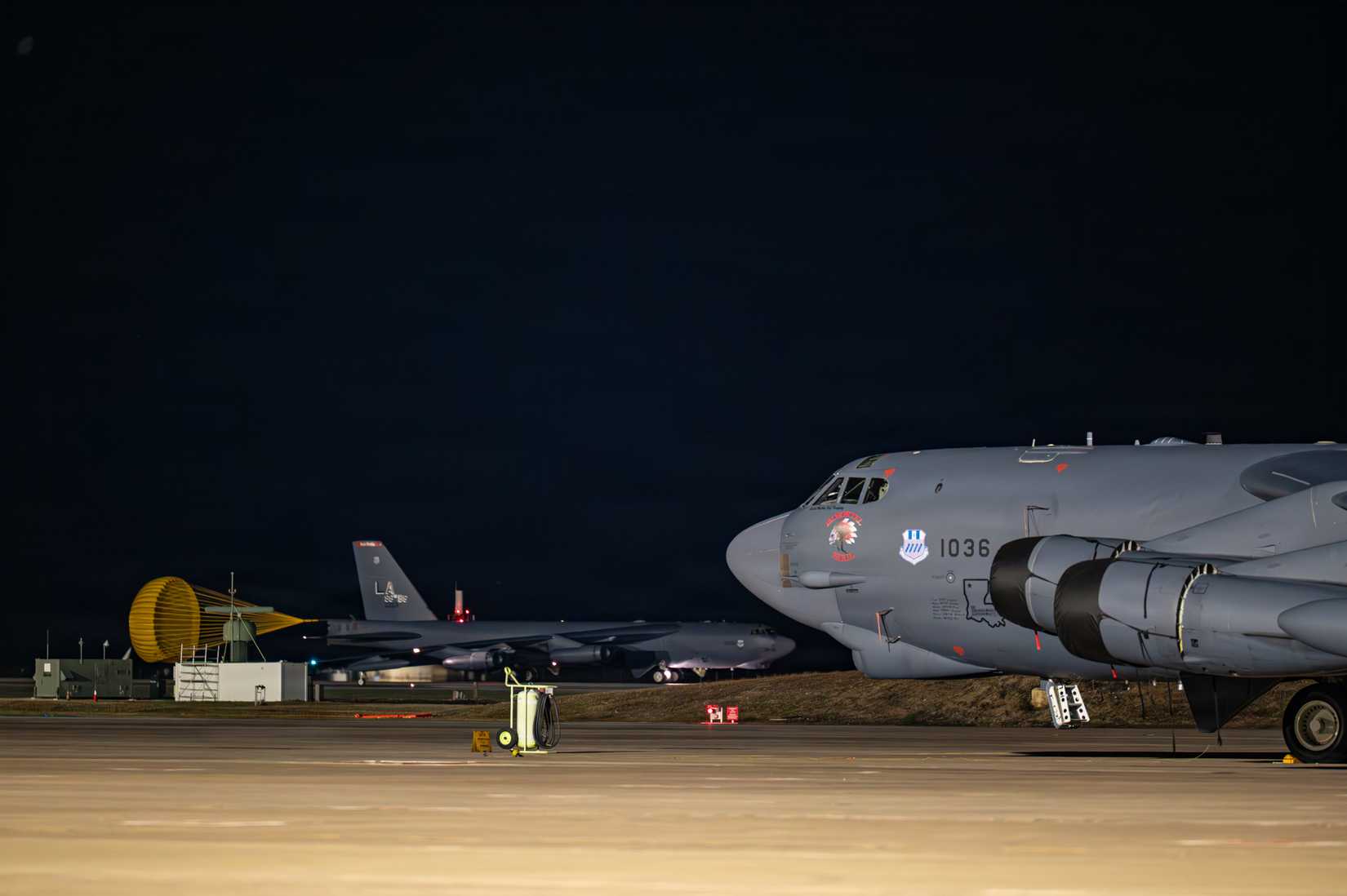
The operational logistics shift created by the F130 is equally significant and has direct parallels to how commercial and charter operators think about aircraft dispatch reliability. The TF33 requires pneumatic air carts or explosive starter cartridges to initiate engine start — equipment that must be airlifted to any forward location before a B-52 can operate there. The F130 uses electric starter motors compatible with standard airfield ground power, eliminating that logistics chain entirely. This is the military equivalent of what Part 135 and Part 91K operators already expect from any modern turbine: the ability to ground start reliably from fixed base infrastructure without specialized support equipment. For the Air Force's Agile Combat Employment doctrine — which calls for dispersing assets across austere, forward-positioned airfields with minimal support footprint — this distinction is operationally decisive. A bomber that cannot reliably cold-start without 3,000-pound pneumatic carts cannot meaningfully disperse; a bomber that can start on standard ground power can operate from almost any paved surface with a fuel supply.
The elimination of the B-52's characteristic black smoke signature carries both tactical and regulatory implications worth noting in broader aviation context. The TF33's visible exhaust plume is a function of incomplete combustion at its low bypass ratio, and it has long been both an environmental liability and a targeting cue for adversary sensor systems. The F130's cleaner, higher-temperature combustion produces no visible contrail at altitude in standard operating conditions — reducing infrared and visual detectability simultaneously. In the commercial sector, the same thermodynamic improvements that eliminated visible soot from modern high-bypass engines drove the reduction in particulate and NOx emissions that regulators now mandate under ICAO Annex 16 standards. The B-52J's environmental improvement is a direct consequence of adopting an engine architecture that commercial aviation has used as its baseline since the 1970s, applied now to a weapon system that predates the Boeing 707. The program underscores a broader trend in military aviation procurement: mature commercial powerplant technology, already proven at airline scale and certified to civilian standards, increasingly offers military operators better reliability, lower lifecycle cost, and superior logistics supportability than purpose-built military engines designed to Cold War-era specifications.











 Read original article