Airbus, Boeing and LNA doubt BWB benefits; JetZero, Natilus explain them
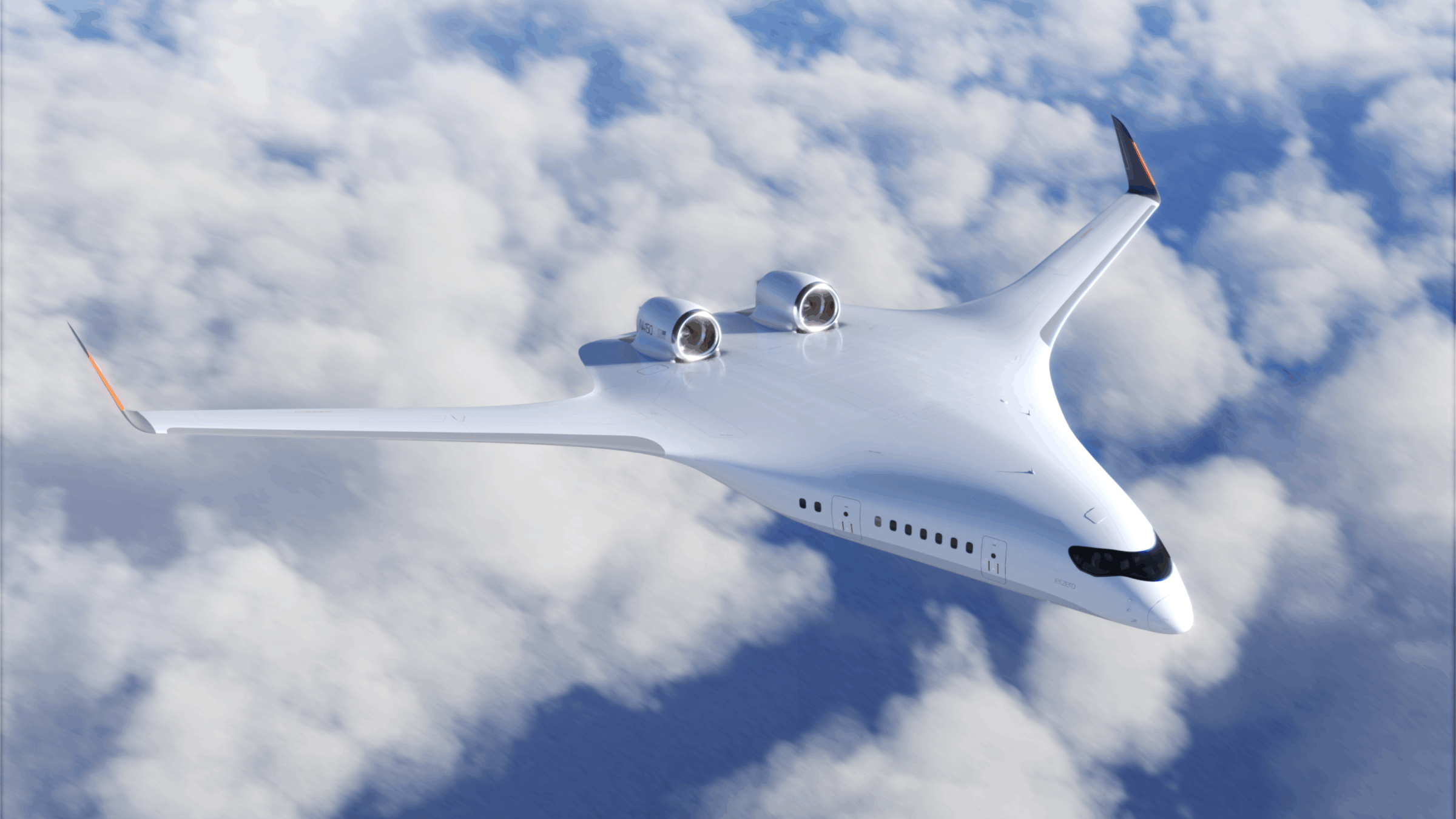
The Blended Wing Body configuration, long discussed in aerospace research circles as a potential step-change in commercial aviation efficiency, found itself at the center of a pointed industry debate at the American Institute of Aeronautics and Astronautics annual convention in San Diego. Startups JetZero — developer of the Z4, a 250-passenger airliner concept — and Natilus defended the architecture's merits against skepticism from established heavyweights Airbus and Boeing, as well as independent analysis from Leeham News and Analysis. The exchange crystallized a fundamental tension between transformational aerospace ambition and the structural conservatism of an industry dominated by two vertically integrated manufacturers whose product roadmaps stretch decades into the future.
At the heart of the debate is whether the BWB's theoretical aerodynamic and fuel-efficiency advantages — estimates typically range from 20 to 30 percent improvement in fuel burn over equivalent tube-and-wing designs — can be translated into a certifiable, manufacturable, and commercially viable aircraft. Skeptics, including Airbus and Boeing, have consistently pointed to the formidable challenges the configuration presents: non-cylindrical pressure vessel design complicates fuselage structural engineering and FAA/EASA certification pathways; emergency egress from a wide, flat cabin is difficult to meet under current regulations; and passenger acceptance of windowless, off-centerline seating remains an open question. These are not trivial objections. The certification burden alone represents billions in development cost and years of regulatory engagement that incumbent manufacturers are disinclined to absorb when incremental improvements to the existing narrowbody and widebody families continue to satisfy airline customers.
JetZero and Natilus offered a structurally provocative counter-narrative: that Boeing and Airbus are not so much technically skeptical as they are institutionally motivated to protect existing product lines and avoid the investor anxiety that radical platform changes historically generate. This argument carries historical weight. Boeing's 1997 acquisition of McDonnell Douglas brought with it years of internal MDC research into the BWB concept — research that was effectively shelved rather than developed. The decision to pursue the 787 Dreamliner's composite tube-and-wing rather than any BWB variant, despite concurrent NASA BWB research programs in which Boeing participated, is frequently cited as evidence that commercial conservatism overrode engineering ambition. For professional aviation operators, the implication is significant: if the incumbents are structurally incapable of pursuing the next paradigm, the timeline for any BWB entry into service depends entirely on whether undercapitalized startups can survive the valley of death between prototype and type certificate.
For airline operators, flight departments, and Part 135 charter companies evaluating long-horizon fleet planning, the BWB debate matters less as an immediate procurement consideration and more as a signal about the pace and direction of commercial aviation's next replacement cycle. The current generation of narrowbodies — the A320neo family and the 737 MAX — will likely remain the backbone of short-to-medium haul operations well into the 2040s, and widebody replacements for the 787 and A350 are not expected to enter service before the mid-2030s as conventional designs. A certifiable BWB airliner from JetZero or Natilus, even under an optimistic development timeline, would not realistically be available to mainline airline operators before the late 2030s at the earliest. That timeline compression challenge is exactly the kind of structural advantage that Airbus and Boeing are counting on when they characterize BWB economics as unproven.
The broader trend this debate reflects is the increasing willingness of well-funded aerospace startups to directly challenge incumbent manufacturers on platform architecture, not just on business model or market segment. Much as electric aircraft companies have forced legacy OEMs to develop their own electrification roadmaps, BWB advocates like JetZero and Natilus are attempting to force a conversation that Airbus and Boeing have strategically deferred for three decades. Whether that pressure ultimately results in a commercially operating BWB airliner, or whether it simply accelerates incremental efficiency improvements in conventional designs, remains the defining question for the next generation of commercial aviation hardware. Working pilots and operators should watch the AIAA and similar technical forums closely — the engineering arguments being made today will shape the aircraft types available for fleet acquisition in the 2035–2045 window.




 Read original article