"Not Survivable": 8 Presumed Dead After US B-52 Stratofortress Goes Up In Flames Moments After Takeoff
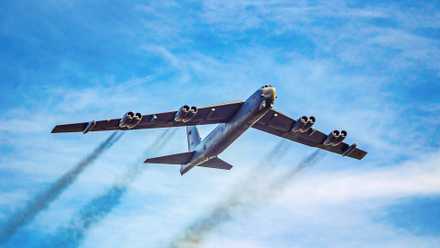
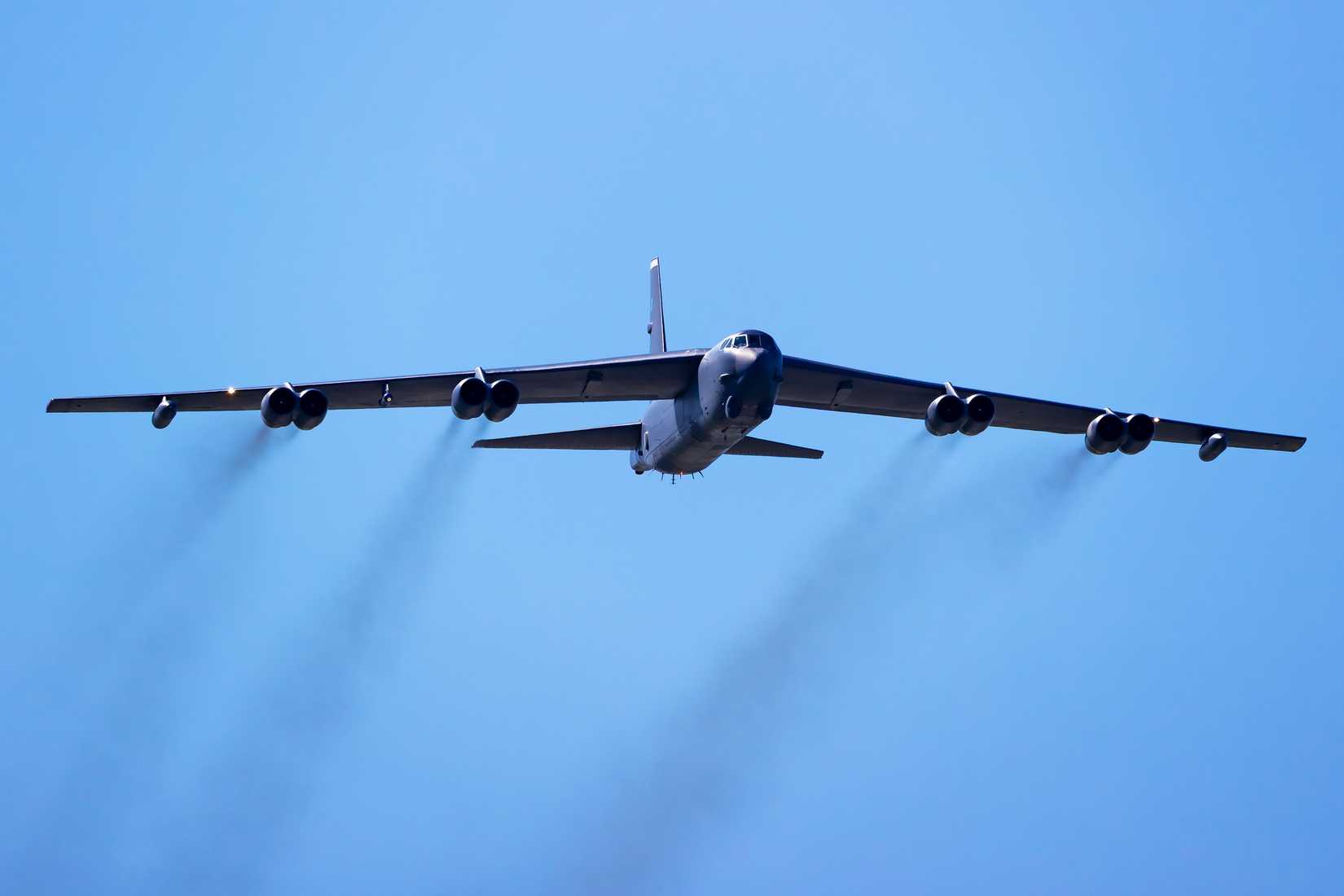
A US Air Force B-52H Stratofortress crashed shortly after takeoff from Edwards Air Force Base, California, on June 15, 2026, killing all eight personnel aboard in what military officials characterized as a non-survivable accident. The aircraft went down at approximately 11:20 a.m. PDT during what was described as a routine training mission, with the crash site located on or near the Edwards airfield in the Mojave Desert. The base immediately closed its airfield, diverted inbound traffic, and suspended non-commercial visitor access while emergency crews worked the scene. The Air Force confirmed the crew count and issued a presumption-of-death statement within hours of the accident, signaling the severity of what ground imagery showed to be a heavily scorched impact area producing substantial smoke.
The location carries particular significance for the investigation that follows. Edwards AFB serves as the Air Force's premier flight test and evaluation center, meaning the B-52 involved may have been carrying experimental test equipment, modified avionics, or instrumentation packages associated with the ongoing modernization programs underway for the aging bomber fleet. Current B-52 upgrades include a new radar system and cockpit modernization efforts intended to extend the H-model's operational life potentially into the 2060s. If the accident aircraft was configured as a test asset rather than a standard operational airframe, investigators will need to account for the possibility that non-standard hardware or software contributed to the loss — a complicating factor that can substantially extend the timeline of an already lengthy accident investigation process.
For military and civilian aviators alike, the post-takeoff timing of the crash places immediate focus on the initial climb phase — a period well understood across all segments of aviation as carrying elevated risk due to low altitude, high power demands, limited energy margins, and restricted options for crew response to abnormal situations. Standard accident investigation methodology will direct examiners toward maintenance records, flight data recorder output, any cockpit voice recordings, crew training histories, weight and balance documentation, and the performance characteristics of the aircraft at the time of the accident. Because no cause has been identified, all major failure categories — mechanical, systems, human factors, environmental — remain open lines of inquiry. The Air Force's Safety Investigation Board and Accident Investigation Board processes will run in parallel, producing separate privileged and public records respectively, consistent with established military aviation accident protocol.
The crash represents the first reported B-52 loss since a 2016 accident in Guam, in which the crew survived, underscoring the relative rarity of losses involving the type despite the fleet's advanced age. The B-52H remains the sole active variant, with a force structure of approximately 76 aircraft assigned primarily to Barksdale AFB and Minot AFB, where they support both conventional and nuclear deterrence missions. The loss of a single airframe carries strategic weight given that fleet size cannot be quickly reconstituted — Boeing ceased B-52 production decades ago, and the Air Force has been carefully managing the existing airframes to maintain readiness. For operators and crews outside the military context, the accident reinforces enduring principles applicable across all aviation categories: that post-takeoff emergencies demand immediate, rehearsed response, and that aging high-performance aircraft require rigorous maintenance discipline to sustain airworthiness through extended service lives.








 Read original article