Quietly Canceled: Why Boeing Got Rid Of 777-300ER Production
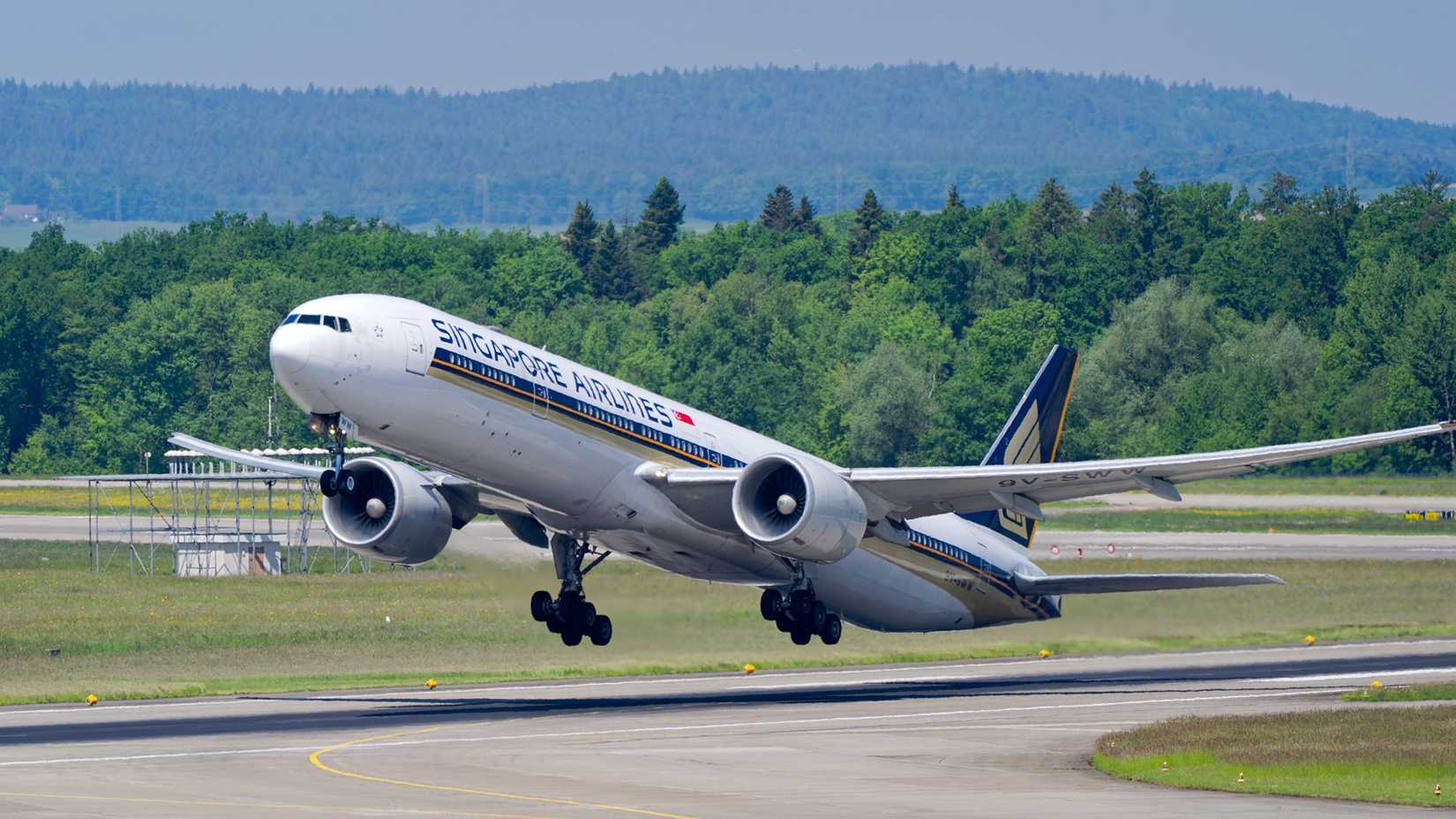
Boeing's decision to quietly conclude 777-300ER production in 2024 stands as one of the more strategically complex program terminations in modern commercial aviation history. The aircraft delivered 837 examples over two decades, becoming the definitive long-haul widebody for carriers including Emirates, Cathay Pacific, Qatar Airways, Singapore Airlines, and Air France. Its production arc followed a telling trajectory: a peak of 88 deliveries in 2016, declining to four in 2020, zero in 2023, and a single airframe in 2024 — a jet originally built for China Southern Airlines that spent nearly five years in storage before being leased to Ethiopian Airlines through Altavair. There was no ceremony, no industry farewell, and no formal announcement. The program simply ceased.
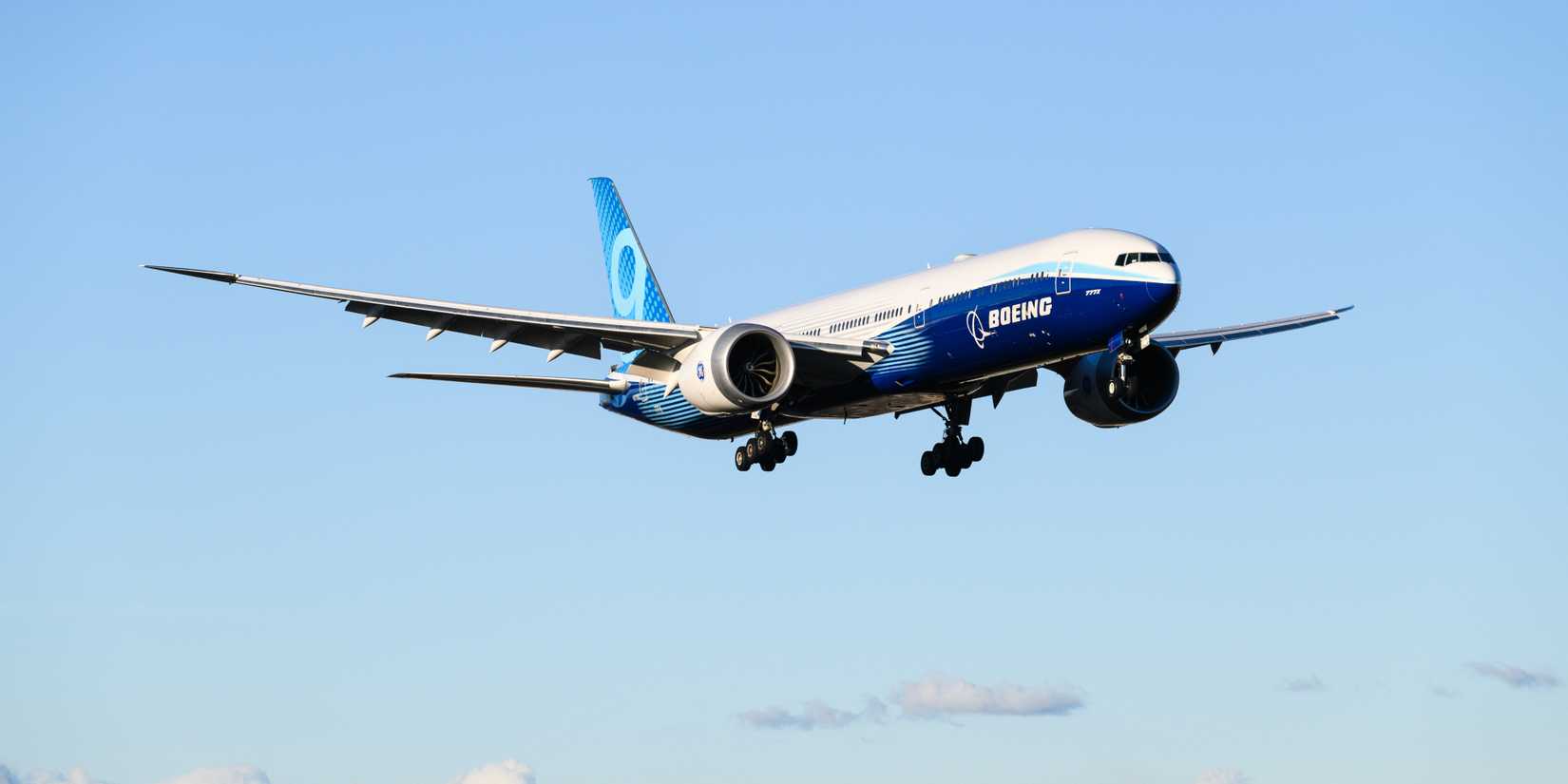
The termination was not driven by a collapse in operator demand. Airlines worldwide continue to fly the 777-300ER on high-density intercontinental routes, and carriers are actively investing in cabin refurbishment programs rather than accelerating retirements — a clear market signal that the airframe remains economically and operationally viable. What killed production was a strategic commitment Boeing made in 2013 when it launched the 777X program. Once that development contract was signed and supplier networks mobilized around the new platform, Boeing locked itself into a product transition that became increasingly difficult to unwind. Continuing meaningful 777-300ER production alongside active 777X marketing would have cannibalized new orders for the successor, created pricing contradictions across the widebody portfolio, and sent ambiguous signals to airline fleet planners making decade-long capacity decisions.
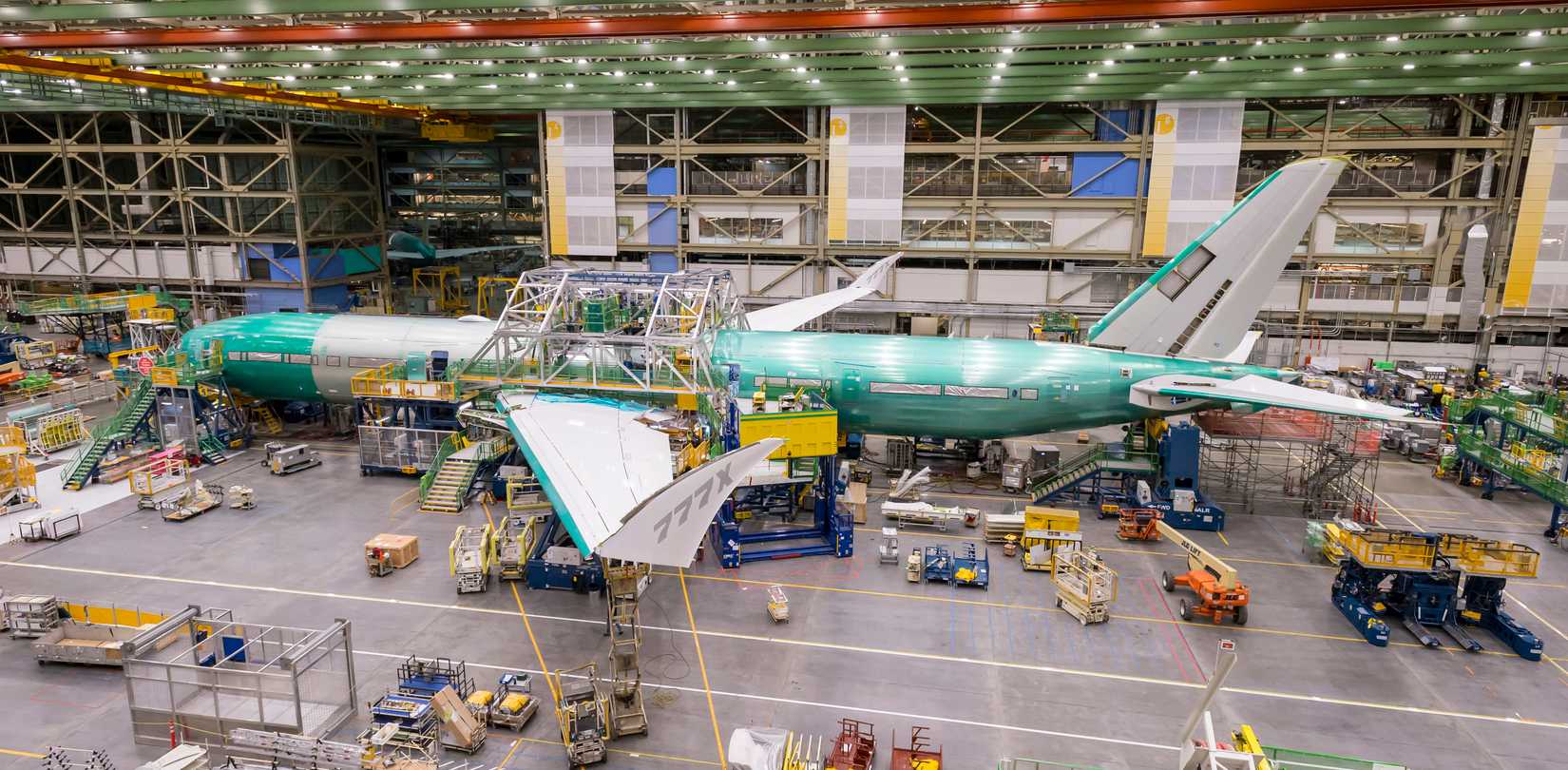
The complicating factor is the 777X's persistent schedule erosion. What Boeing positioned as a manageable generational handoff has become a years-long production gap. First customer deliveries are now projected no earlier than 2027 — meaning the replacement has been unavailable for a minimum of three years after its predecessor left the line. Certification challenges, engineering revisions, and heightened FAA regulatory scrutiny following the 737 MAX crisis all contributed to the delay. Boeing elected not to reverse course and restart meaningful 777-300ER production to fill that gap, a decision that reflects both the sunk cost dynamics of large-program industrial transitions and the manufacturer's assessment that reactivating a legacy line would signal weakness in the 777X program itself. Several outstanding 777-300ER orders, including five aircraft associated with Pakistan International Airlines, are widely expected to be canceled rather than fulfilled.
For airline operators and fleet planners, the production gap creates tangible pressure. Carriers that had anticipated supplementing or expanding 777-300ER operations with incremental deliveries now face a closed ordering window. The secondary market for existing 777-300ER airframes has strengthened accordingly, with lease rates and asset values supported by continued strong demand and a constrained replacement timeline. For Part 91K and Part 135 operators in the ultra-long-range business jet segment, the dynamic is somewhat analogous to supply chain pressures seen with large-cabin business aircraft: when a high-demand platform exits production ahead of its replacement's entry into service, the used market tightens and operators managing fleet transitions face compressed options.
The 777-300ER's subdued exit illustrates a structural tension inherent to large commercial aircraft programs — the gap between industrial planning horizons and real-world market conditions. Boeing's commitment to the 777X was commercially rational in 2013 and remained strategically defensible even as certification slipped. But the absence of any bridge strategy, combined with the 777X's prolonged delay, leaves a notable void in the widebody market precisely when airlines are rebuilding international capacity following the pandemic. Airbus has benefited, with the A350 increasingly positioned as the available alternative for carriers seeking new long-range widebody capacity. The 777-300ER's story ultimately underscores that aircraft program endings are rarely clean breaks — they are strategic bets on futures that don't always arrive on schedule.










 Read original article