Flyers Are Saying Air Travel Is Becoming Unbearable: Here’s Why
Passenger dissatisfaction with commercial air travel in the United States has reached a critical inflection point, driven by a convergence of systemic infrastructure deficiencies, chronic workforce shortages, and decades of deliberate cabin densification. The article from Simple Flying identifies three principal stress vectors: pre-departure ground experience, en-route delay exposure, and onboard physical comfort. Each of these has deteriorated measurably since the Jet Age baseline. What was once a differentiated, premium-oriented experience has been commoditized to the point where passengers describe travel as "unbearable" — a word choice that signals a reputational crisis for the industry, not merely a comfort complaint. For professional pilots operating in the airline and charter environment, this deteriorating passenger sentiment has direct implications for how operators position their product, staff their cabins, and manage customer expectations on delay-prone routes.
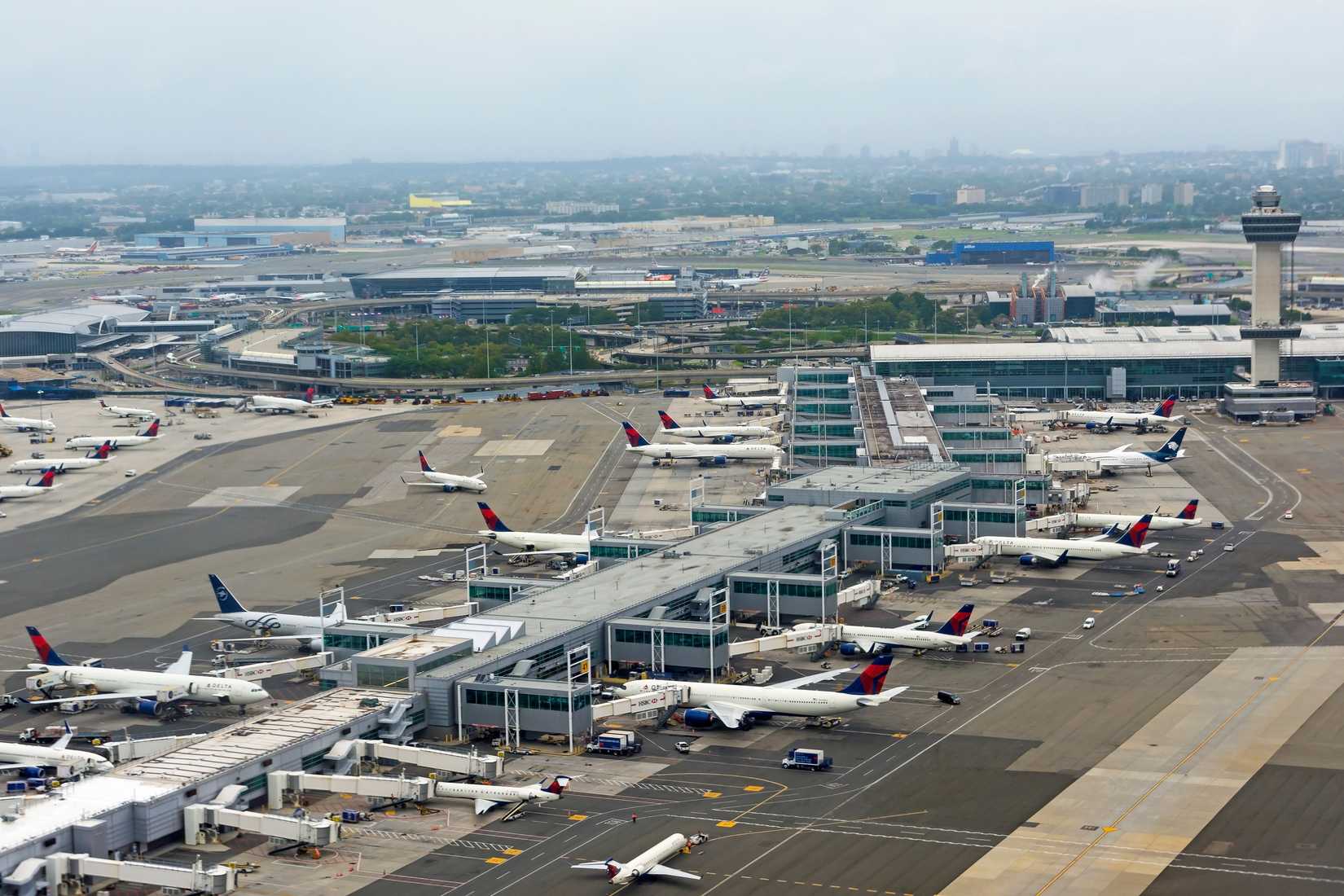
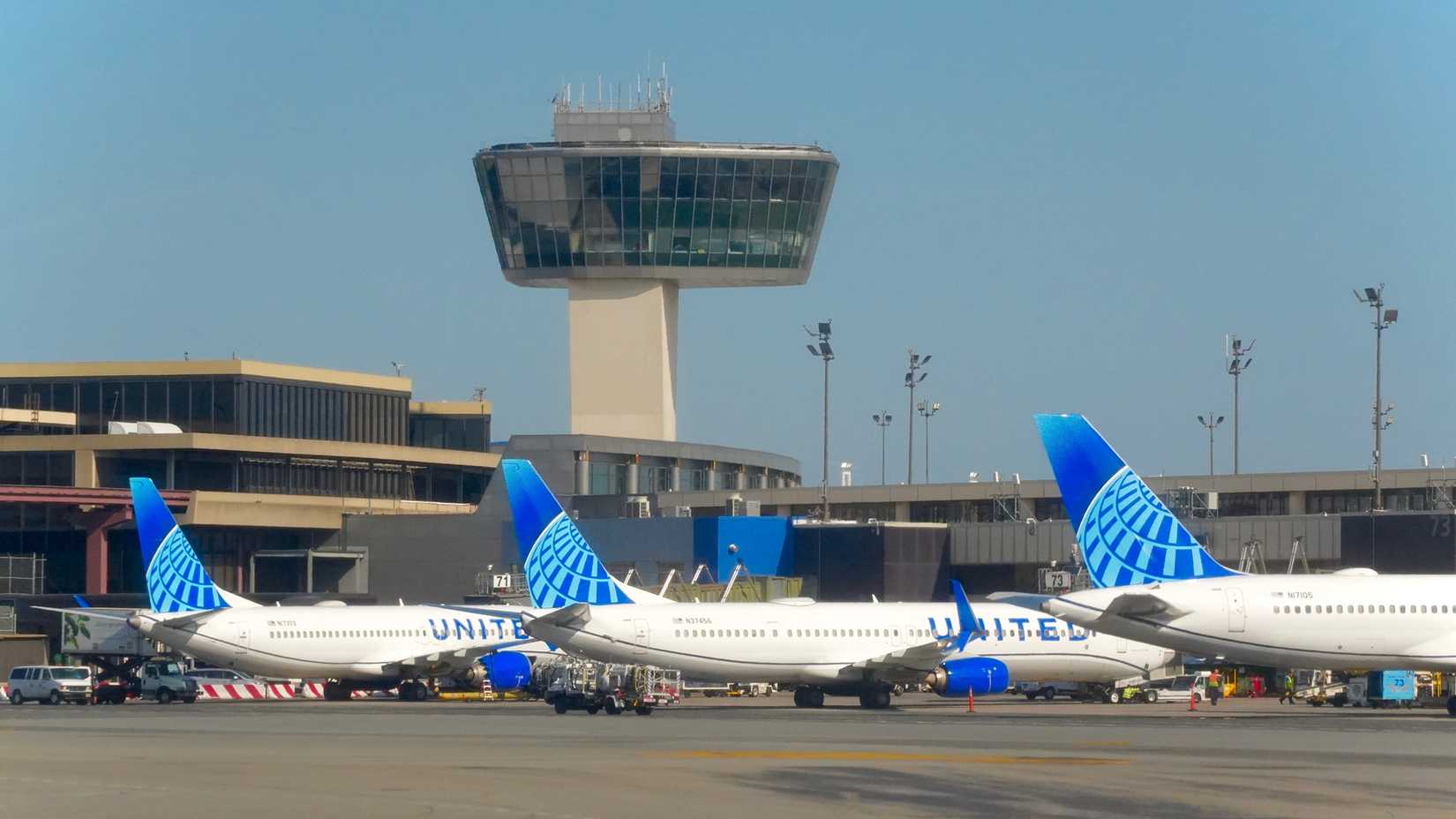
The staffing crisis across both the Transportation Security Administration and the FAA's Air Traffic Organization represents perhaps the most operationally consequential finding in the article. ATC controllers at major facilities routinely work six-day weeks under mandatory overtime, creating a brittle system where a single absence can cascade into significant capacity reductions at hub airports. This dynamic was dramatized during the fall 2025 government shutdown, when controllers calling out due to pay uncertainty produced mass disruptions across the National Airspace System. For Part 121 and Part 135 operators, the practical consequence is that schedule padding has become a competitive and legal necessity rather than a conservative planning choice. Crews operating into high-density airports — particularly Newark, JFK, LAX, and ORD — should anticipate ground delay programs and miles-in-trail restrictions as near-constant features of operations, not exceptional events. The article notes new terminal construction at airports including Newark and LaGuardia, which will add gate capacity over time, but airfield geometry and ATC staffing ceilings will remain the binding constraints on throughput for the foreseeable future.
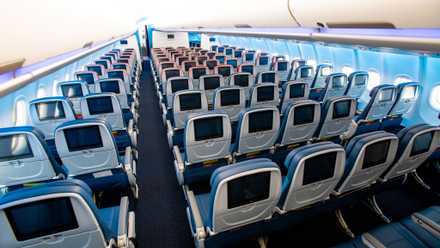
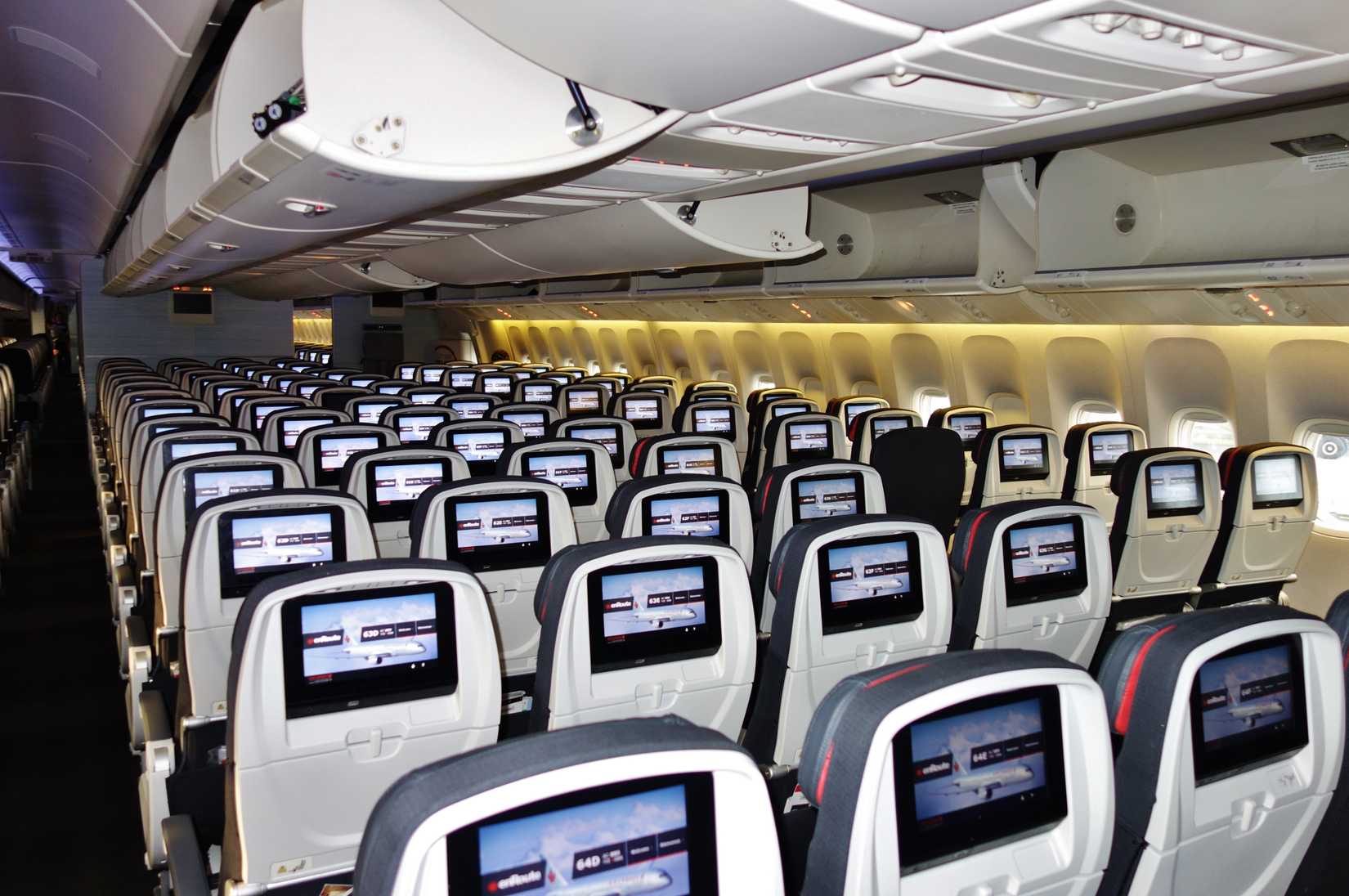
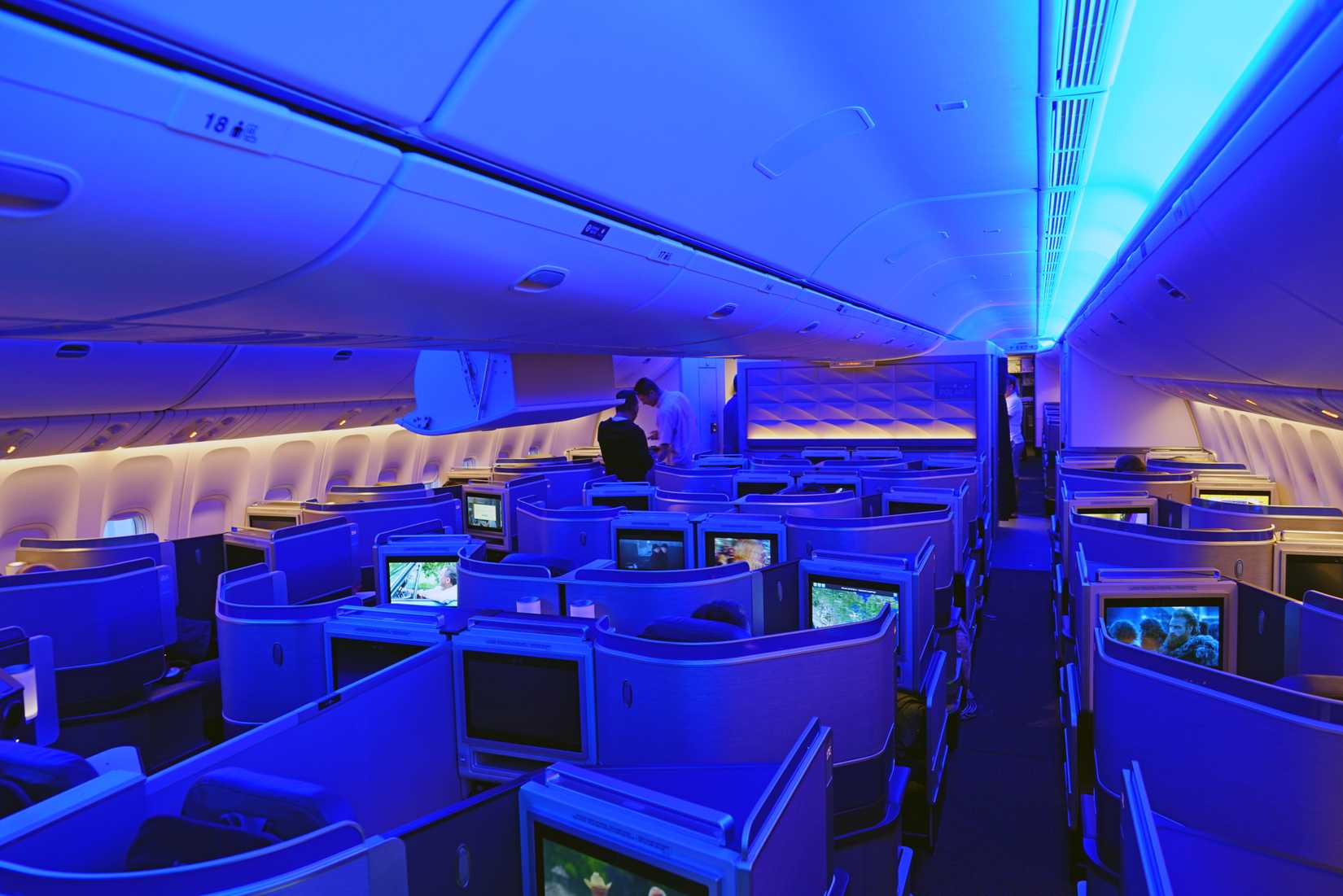
The cabin densification data presented in the article deserves careful attention from professional operators because it frames the commercial aviation product from the passenger's perspective with unusual specificity. Economy seat pitch has declined from a Jet Age standard of 35–38 inches to a current range of 28–32 inches, with ultra-low-cost carriers occupying the bottom of that range. Widebody aircraft configurations tell an equally stark story: the Boeing 777, originally conceived with a 2-5-2 layout that produced approximately 18.5-inch seat widths in a nine-abreast configuration, is now frequently operated in 3-4-3 ten-abreast configurations that compress seat width to around 17 inches and eliminate effective aisle clearance. The Boeing 787 has seen a similar transition from 2-4-2 to 3-3-3. These layout choices were made unilaterally by airlines following the Airline Deregulation Act of 1978 and have continued unchallenged by regulators despite years of FAA rulemaking proposals on minimum seat standards. For crews conducting preflight passenger briefings or operating in premium cabin configurations, understanding this context explains a significant portion of passenger frustration before the aircraft ever pushes back.
The article's framing of air travel's captive market dynamic is particularly relevant for business aviation operators assessing their competitive positioning. The piece correctly observes that for most short-to-medium-haul domestic travel in the United States, commercial aviation has no practical alternative — there is no high-speed rail network, and driving times are prohibitive beyond 200 miles. This captive demand means that passenger complaints rarely translate into mode-shift, but they do accelerate interest in premium alternatives. Charter operators under Part 135 and fractional programs under Part 91K have historically benefited during periods of commercial airline service degradation, and the combination of TSA friction, ATC delay exposure, and cabin discomfort described in this article creates a persuasive value proposition for business aviation at the margin. Global Entry and TSA PreCheck reduce but do not eliminate the ground experience burden, and their growing enrollment bases mean the time savings they once reliably delivered have compressed — a trend that further erodes the commercial airline product even for its most frequent and prepared customers.
The broader structural reality underlying the article is that the commercial aviation industry is operating a 21st-century demand profile through 20th-century infrastructure with a constrained 21st-century workforce. Terminal construction projects at Myrtle Beach, Portland, Newark, and LaGuardia represent meaningful investments in passenger-facing capacity, but they address symptom rather than cause as long as ATC staffing remains below operationally safe surplus levels and TSA throughput is constrained by chronic understaffing. Pilots across all certificate categories have a direct professional interest in the resolution of these systemic issues: ATC staffing directly governs workload, delay exposure, and the tactical complexity of operating in congested airspace; terminal and ramp infrastructure determines ground efficiency and pushback timing; and passenger sentiment shapes airline revenue, route viability, and ultimately crew employment stability. The industry's path forward requires parallel investment in workforce, infrastructure, and regulatory modernization — and the timeline on all three is measured in years, not quarters.









 Read original article