TSA's $781 Million Scanner Rollout Quietly Changes 3 Things Every Flyer Does At Security
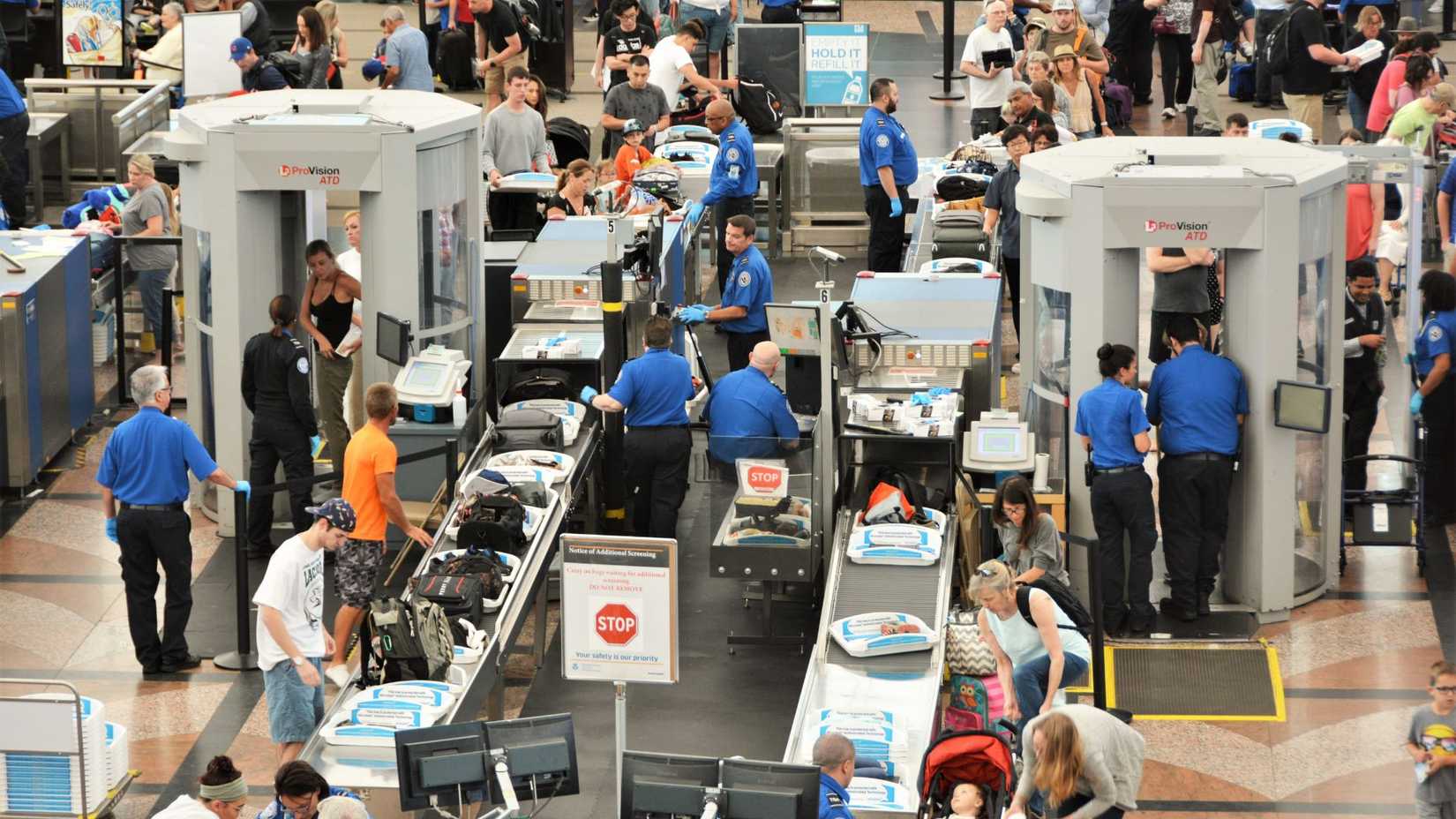
The Transportation Security Administration's $781.2 million rollout of advanced computed tomography screening systems is systematically replacing conventional two-dimensional X-ray equipment at major U.S. airports, with deployments already operational at high-traffic facilities including LaGuardia, Los Angeles International, and Hartsfield-Jackson Atlanta. Unlike traditional X-ray machines, these CT scanners generate detailed three-dimensional images that security officers can rotate, zoom, and examine from multiple angles — technology borrowed from medical imaging applications — allowing screeners to analyze bag contents with significantly greater resolution and context. The expanded imaging capability directly reduces the need for passengers to physically separate electronics and liquids before placing luggage on the conveyor belt, eliminating procedures that have governed checkpoint behavior since the TSA's liquid restrictions were introduced nearly two decades ago.
For professional and corporate pilots who transit security checkpoints multiple times per week — including Part 91, 91K, and 135 operators who regularly mix passenger duties with hands-on aircraft management — this shift carries practical implications beyond simple convenience. The ability to pack laptops, tablets, electronic flight bag devices, and toiletry kits without staging them for rapid removal meaningfully simplifies the high-frequency traveler's routine. Crew members who carry dense electronics loadouts, multiple devices, or medical equipment in cabin bags have historically spent disproportionate time at checkpoints relative to leisure travelers; the CT upgrade reduces that friction at equipped lanes. Additionally, reduced bin congestion and fewer unpacking stops at the conveyor belt translates into measurably faster throughput during peak periods — a meaningful factor for crews operating tight turn schedules or connecting through hub airports with historically congested checkpoints.
The transition introduces a complication that frequent flyers and professional aviators must navigate carefully in the near term: implementation remains inconsistent across facilities and individual checkpoints. An operator who transits an upgraded lane at LAX on Monday may encounter a conventional X-ray lane at a regional airport on Wednesday, where all legacy procedures remain in force. This uneven rollout creates a knowledge-management challenge, as travelers accustomed to leaving bags packed at equipped checkpoints risk delays or secondary screening when they encounter un-upgraded lanes without adjusting their approach. For charter operators and flight departments that move crews through a rotating mix of major hubs and smaller general aviation-adjacent commercial terminals, staying current on which facilities have completed upgrades will be a necessary operational habit until the rollout reaches fuller saturation.
The broader significance of the CT investment connects to a multi-year federal push to modernize checkpoint infrastructure in ways that simultaneously improve threat detection and passenger throughput — two goals that have historically existed in tension. The three-dimensional imaging capability is specifically designed to maintain or improve security effectiveness while removing behavioral bottlenecks, addressing longstanding criticism that the TSA's post-9/11 procedures imposed operational costs without proportionate security returns in certain categories. The rollout also intersects with accelerating adoption of mobile and biometric identity verification at airports, suggesting that the checkpoint experience is undergoing a more fundamental structural redesign rather than incremental updates. For aviation operators, the practical takeaway is that the security environment at major U.S. airports will continue shifting over the next several years, with passenger briefings and crew travel policies likely requiring periodic revision to stay aligned with procedures that now vary meaningfully by location and lane.















 Read original article