Why Some Carriers Are Stripping Perfectly Good Airbus A321neos For Parts
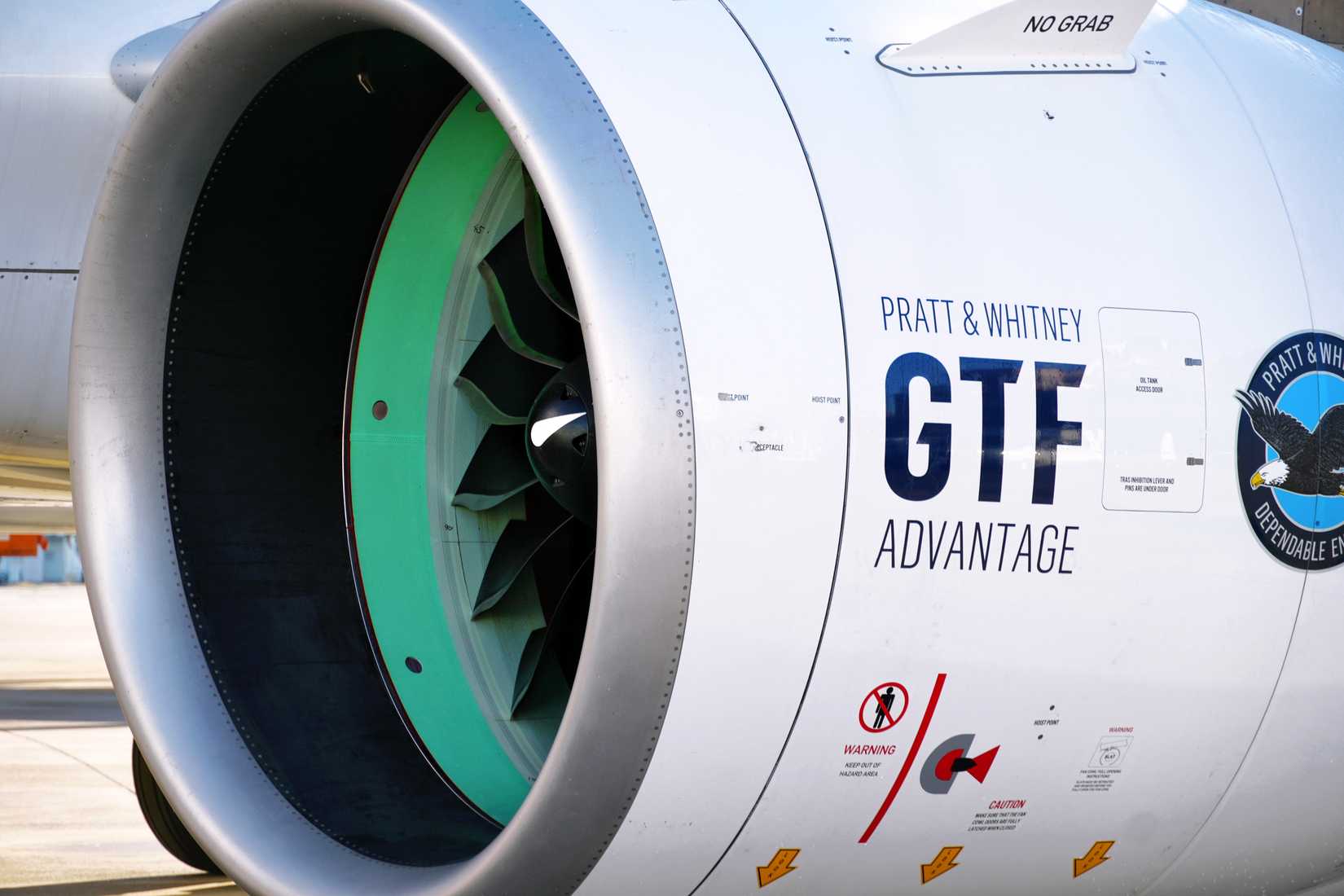
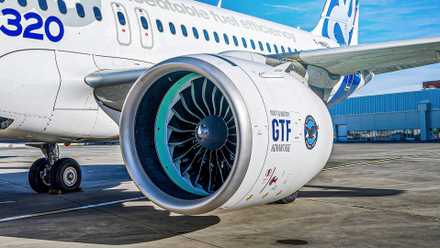
The Pratt & Whitney PW1000G Geared Turbofan engine crisis has escalated to a point where economically rational actors are now dismantling brand-new narrowbody aircraft rather than flying them — a development that would have seemed implausible when the A321neo entered service promising decades of productive life. The trigger was Pratt & Whitney's 2023 disclosure of a rare powder-metal manufacturing defect capable of causing component cracking in certain engine discs. That disclosure set off a cascade of mandatory inspections affecting hundreds of engines simultaneously, and when combined with pre-existing supply chain constraints and prolonged maintenance turnaround times, the result was a functional engine famine. Approximately 636 GTF-powered aircraft — roughly one-third of the global fleet so equipped — have been grounded or placed in storage, compared to only about four percent of comparable CFM-powered narrowbodies. Castellon Airport in eastern Spain has become a visible monument to the crisis, hosting teardown operations where firms like eCube systematically strip avionics, landing gear assemblies, flight control components, and crucially, the engines themselves from aircraft only a few years into their service lives.
The economic logic behind the teardowns is straightforward and illustrative of how severely the supply-demand balance has shifted. Under normal conditions, an intact airworthy aircraft commands a premium over the aggregate value of its components — the so-called "whole aircraft" premium that underlies most aircraft leasing economics. The GTF shortage has inverted that relationship. Serviceable PW1000G engines are now commanding lease rates of approximately $200,000 per month per unit, meaning a pair of engines can generate monthly revenue approaching what an entire aircraft lease would yield. For investors and lessors holding parked aircraft with no near-term prospect of returning them to revenue service, harvesting the engines and selling or leasing them separately becomes the economically dominant strategy. More than a dozen aircraft have already been processed this way, and industry insiders anticipate dozens more will follow before the inspection cycle concludes and new engine production catches up with demand.
For airline operators — particularly those running Part 135 charter, corporate flight departments relying on narrowbody jets, and regional or low-cost carriers building A320neo-family fleets — the implications extend well beyond headline fleet counts. Carriers unable to return aircraft to service have been compelled to extend leases on older, less fuel-efficient equipment, directly negating the operating economics that justified the transition to neo-family aircraft in the first place. Route networks and growth plans have been curtailed, and the promised fuel burn and emissions reductions of the GTF platform remain largely theoretical for affected operators. The International Air Transport Association has placed the total industry cost of supply chain disruptions at approximately $11 billion, with engine-specific costs accounting for $2.6 billion of that figure — numbers that translate directly into yield pressure, reduced capacity, and constrained network planning across affected carriers.
The broader structural lesson for aviation operators and procurement decision-makers is the systemic vulnerability created when a single engine platform achieves widespread fleet penetration before its long-term maintenance reliability profile is fully understood. The CFM LEAP-1A, which powers the competing A320neo-family variant, has experienced comparatively limited grounding rates, underscoring that the GTF crisis is platform-specific rather than a reflection of overall narrowbody demand or air travel conditions. Airlines that selected GTF-powered aircraft in pursuit of marginally better fuel economics now face holding costs, wet-lease expenses, and network disruptions that erode or eliminate those efficiency gains. The teardown activity at Castellon is not a sign of weakening demand for air travel — passenger demand remains robust — but rather a stark demonstration of how maintenance supply chain fragility can render modern, otherwise valuable assets economically non-viable as flying aircraft while simultaneously making their components extraordinarily valuable as spare parts inventory.










 Read original article