Boeing’s 737 North Line and the Everett factory: in transition now
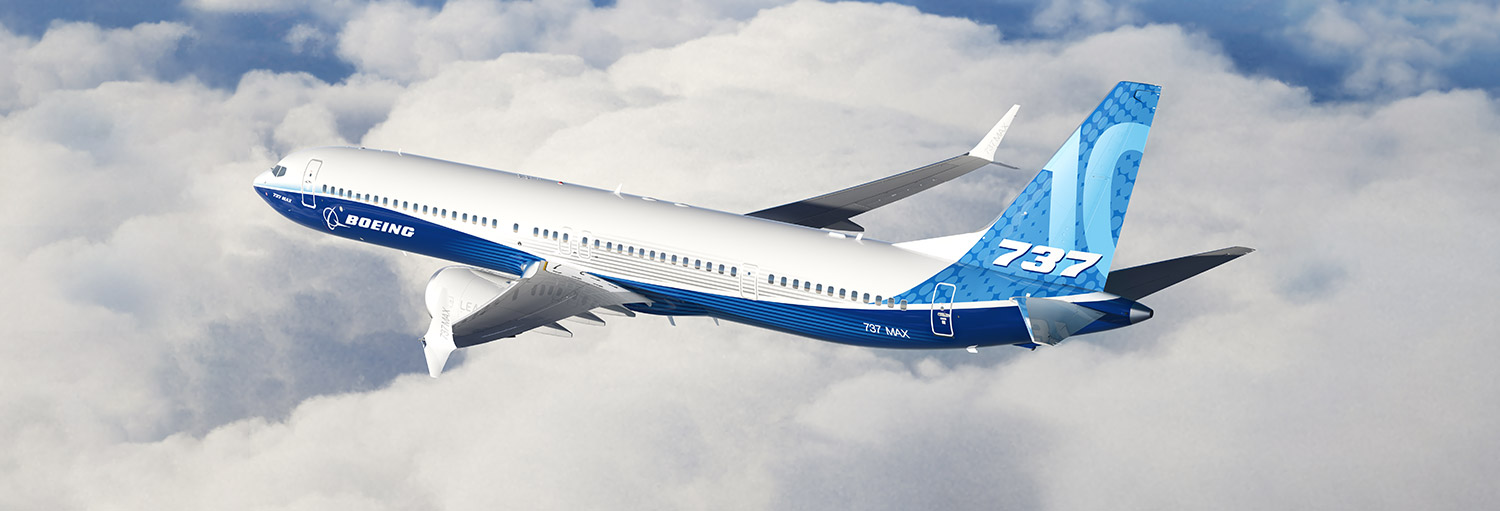
Boeing's planned fourth 737 production line — the so-called North Line at its Everett, Washington widebody facility — remains in a deliberate preparatory phase as the company awaits formal FAA authorization to activate it. Originally announced in 2023 to absorb surging narrowbody demand following the retirement of the 747 line, the North Line was frozen by the FAA in the aftermath of the January 2024 Alaska Airlines flight 1262 door plug blowout, in which a failure to resecure a plug during Renton assembly caused a 60-pound panel to exit the fuselage shortly after takeoff from Portland. CEO Kelly Ortberg has since reaffirmed commitment to the North Line, and Boeing has continued low-level groundwork — tooling, floor layout, office construction above the factory cafeteria, and a recently secured 250,000-square-foot staging lease at a nearby industrial park — positioning the line to activate relatively quickly once FAA approval arrives. Current planning targets 2Q2026 for the North Line to become operational, exclusively dedicated to the 737-10 MAX, which itself remains uncertified. While Boeing expressed optimism about late-2025 MAX 10 certification, at least one airline fleet planner and customer told Leeham News that Q1 2026 is a more realistic expectation.
The production rate milestones at Renton frame the North Line's strategic importance precisely. Boeing quietly crossed rate 38 per month on May 30, 2025 — the first time it has reached that level since 2012 — and deliberately avoided publicizing the achievement out of sensitivity toward the FAA's ongoing oversight posture. The target is rate 42 by year-end 2025 and rate 47 by 2026, a figure that corresponds to the last steady high-volume output Boeing achieved in 2018. Critically, sources indicate the FAA may cap Renton permanently at 47 per month as a structural safeguard for the quality and safety management systems Boeing has implemented post-grounding and post-Alaska incident. Prior to the March 2019 MAX grounding, Renton was producing 52 aircraft per month with ambitions to reach 57 and ultimately 63. The FAA cap reflects an institutional shift: throughput is now explicitly subordinated to demonstrated process control, a posture requiring ongoing FAA approval for more than 150 revised policies, processes, and Quality Management System amendments before Renton or Everett can further expand.
For operators of Boeing narrowbody equipment — particularly airlines holding 737-10 MAX orders and Part 135 operators tracking fleet availability — the North Line's timeline has direct implications for delivery scheduling. The MAX 10 is the longest variant of the 737 family, capable of carrying up to 230 passengers in high-density configuration, and airlines anticipating it for high-frequency medium-haul routes have already seen multi-year slippage. The North Line is intended not just to add capacity but to serve as a dedicated production environment for the MAX 10's specific configuration complexity, including potential lie-flat business class interiors and upscale cabin layouts that differ substantially from MAX 7, 8, and 9 assembly workflows. The MAX 8200, a high-density variant with additional emergency exits, is already being produced at Renton, clearing that variant from the Everett scope and sharpening the North Line's singular focus on the yet-to-be-certified -10.
The logistics challenges surrounding the North Line remain substantial and underscore the complexity of adding a geographically separated final assembly location within a highly integrated supply chain. Wings for the 737 are currently manufactured at Renton and would need to be transported to Everett, a move that may require new rail tooling and entirely new handling processes. Spirit AeroSystems, which produces 737 fuselages in Wichita, Kansas, ships those assemblies to Renton; routing MAX 10 fuselages onward from Renton to Everett introduces an additional logistics step not present in the current flow. Boeing's pending acquisition of Spirit adds an ownership layer to that coordination challenge. The Everett facility's rail infrastructure — the article notes it was cut off mid-sentence — represents yet another unresolved variable in what is already a heavily sequenced approval and infrastructure buildout. One eyewitness observer noted that the assembly line tooling appeared essentially staged and ready, with a fuselage dock and line positioning equipment in place, suggesting Boeing is closer to readiness than its public posture implies, pending only federal authorization.
Against the competitive backdrop, the urgency of the North Line becomes clearer. Airbus is targeting A320neo family production of 75 aircraft per month by 2027 — a rate some analysts consider optimistic but directionally credible given Airbus's production momentum. If Boeing achieves Renton's capped 47 per month and adds approximately 15 to 16 aircraft monthly from the North Line, its combined narrowbody output would approximate the 63-per-month figure it once studied for Renton alone, yielding a production share of roughly 45.6 percent to Airbus's 54.4 percent. Reaching production parity with Airbus would require a fifth line — a second Everett narrowbody assembly — a scenario Boeing has not publicly addressed. For corporate flight departments and Part 91 operators, the competitive dynamic matters indirectly: sustained Airbus production dominance affects OEM pricing power, used aircraft values, and the long-term availability of Boeing narrowbody assets at lease return. The slower Boeing recovery keeps pressure on aircraft availability across the operator spectrum, from regional carriers to charter operators dependent on 737 variants for fleet economics.






 Read original article