The Boeing 737’s Design Feature That Has Remained Unchanged Since Its Inception
The Boeing 737 remains in production in 2026 as one of the most structurally persistent airframes in commercial aviation history, with several foundational design elements traceable directly to a 1967 blueprint that predates the Apollo moon landing. Three features stand out as largely unchanged across all four generational families: the 148-inch fuselage cross-section inherited from the 707 and 727, the exposed main landing gear lacking closing doors, and the mechanical cable-and-hydraulic flight control system that bypasses the fly-by-wire architecture adopted by competitors decades ago. Each of these features reflects a deliberate engineering calculus that prioritized commonality, certification continuity, and operational simplicity over clean-sheet modernization — a philosophy that has both defined and constrained the aircraft across six decades of incremental development.
The fuselage geometry decision carries the most far-reaching consequences for operators and passengers alike. By locking in the 707's cross-section dimensions at the program's outset, Boeing secured immediate infrastructure and tooling efficiencies but permanently saddled the 737 with a cabin that measures 7.5 inches narrower than the Airbus A320 family — a gap passengers increasingly notice in an era of densified seating. The structural ghost of the original design is visible in the retained cockpit window frame geometry, even after the eyebrow windows were sealed in 2004. For airline planning teams evaluating narrowbody acquisitions, that dimensional disadvantage has real revenue implications in high-density configurations, where the A320's extra width translates directly into passenger comfort margins and, in some configurations, seat-width differentiation on premium economy products.
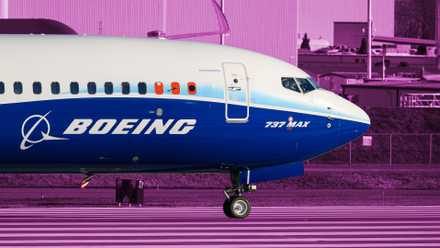
The exposed landing gear design, while unconventional by modern standards, demonstrates how an operational constraint from the propeller era propagated forward into the jet age with lasting structural consequences. The 737's deliberately low ground clearance — engineered for small, under-resourced airports in the 1960s — proved to be an inflexible geometric boundary when CFM International developed the LEAP-1B engine for the MAX program. The result was the now-widely recognized flattened nacelle profile and forward-repositioned engine mounting that altered the aircraft's aerodynamic and weight distribution characteristics enough to require the Maneuvering Characteristics Augmentation System. That system's failures in the Lion Air and Ethiopian Airlines accidents in 2018 and 2019 — events with catastrophic consequences for Boeing's program and the broader industry's relationship with certification grandfathering — trace their origins in part to the same 1967 landing gear geometry that kept the jet accessible to baggage handlers at regional airports.
The mechanical flight control system represents the 737's most operationally significant legacy feature for working pilots. Where the A320 family uses full fly-by-wire with envelope protections that prevent pilots from commanding exceedances in pitch, roll, and angle of attack, the 737 delivers direct cable tension feedback through the yoke — a tactile experience that many pilots trained on the type describe as more intuitive and transparent, particularly during manual flight in turbulence or crosswind approaches. The tradeoff is the absence of the automated hard limits that fly-by-wire architecture provides. For Part 135 and 91K operators transitioning crews between aircraft types, this distinction has practical simulator and training implications: the 737's mechanical system means pilots must develop and maintain manual stick-and-rudder discipline that fly-by-wire systems partially automate, a consideration that influences recurrent training design and proficiency standards.
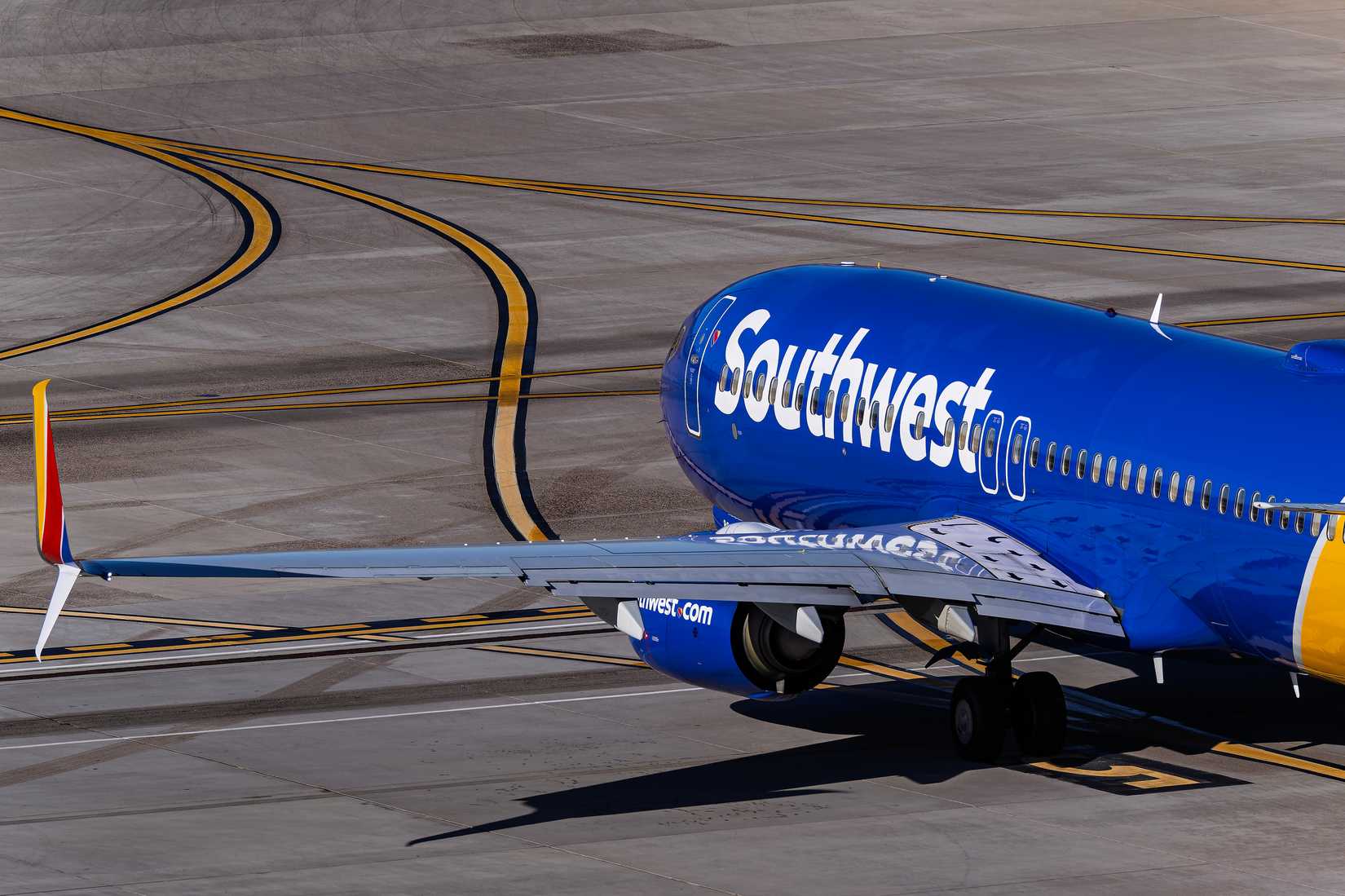
Looking across the commercial and business aviation landscape, the 737's design history illustrates the compounding costs of certification grandfathering as a long-term product strategy. Boeing's ability to keep pilots type-rated across generations through commonality has been a genuine competitive and commercial asset — Southwest Airlines' single-fleet model being the clearest example of that value. But the accumulation of legacy constraints ultimately forced engineering compromises on the MAX that contributed to the most consequential accidents in modern commercial aviation history and triggered a multi-year grounding that reshaped regulatory relationships between Boeing, the FAA, and international authorities. As Boeing develops its next narrowbody program to replace the 737 in the 2030s, the design decisions documented in this six-decade case study will almost certainly inform regulators and operators pushing for a clean-sheet type certificate rather than another cycle of incremental grandfathering.











 Read original article