Every Active 6th-Generation Fighter Program In The World Ranked By How Close It Is To Flying
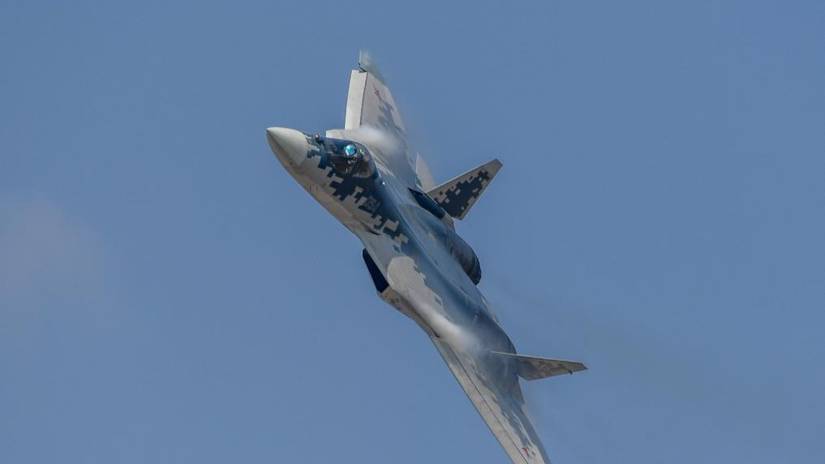
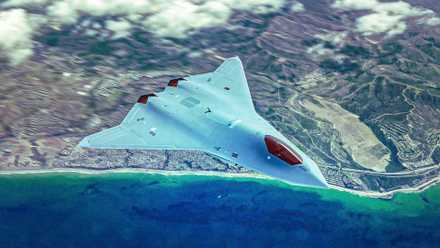
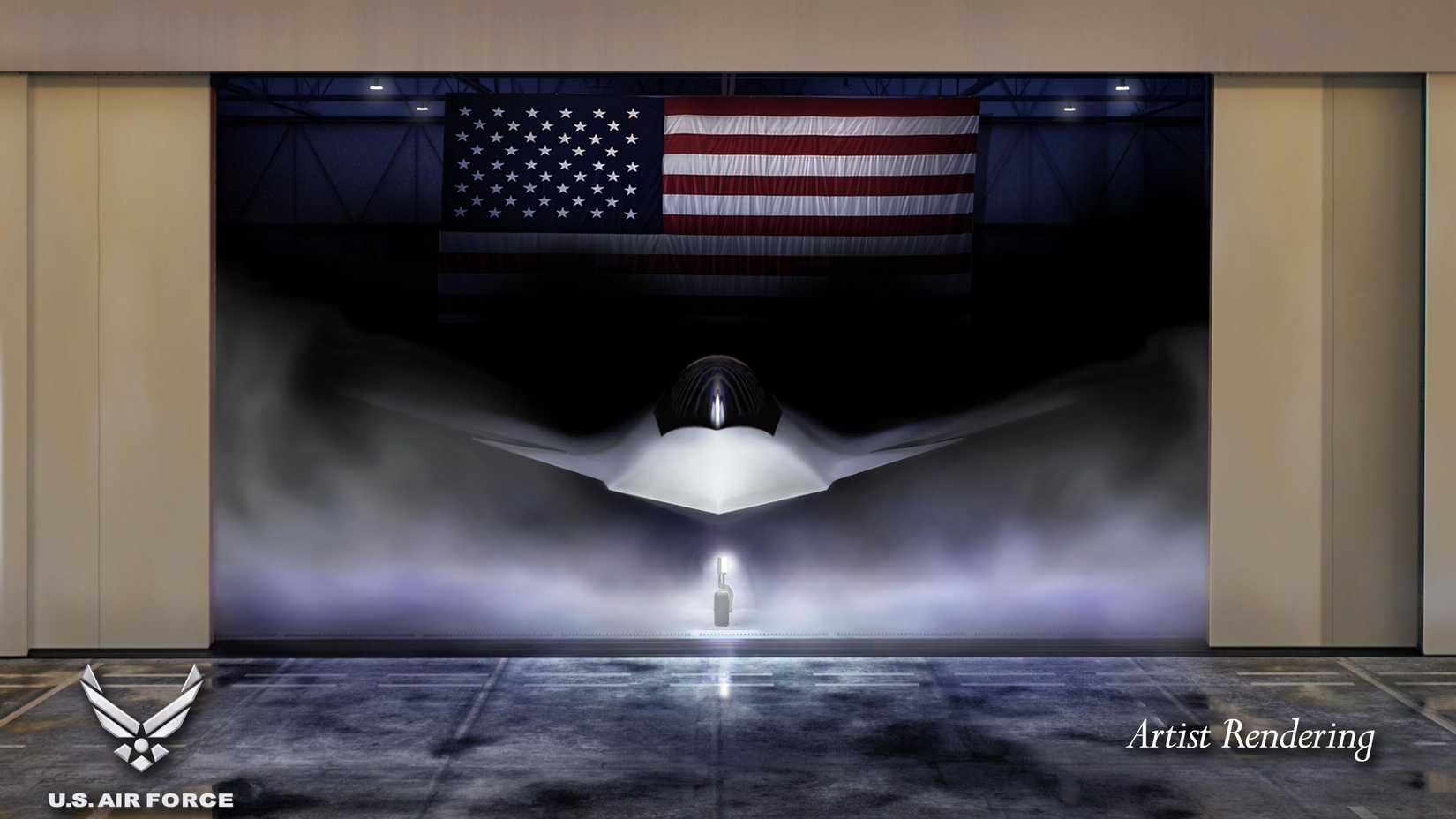
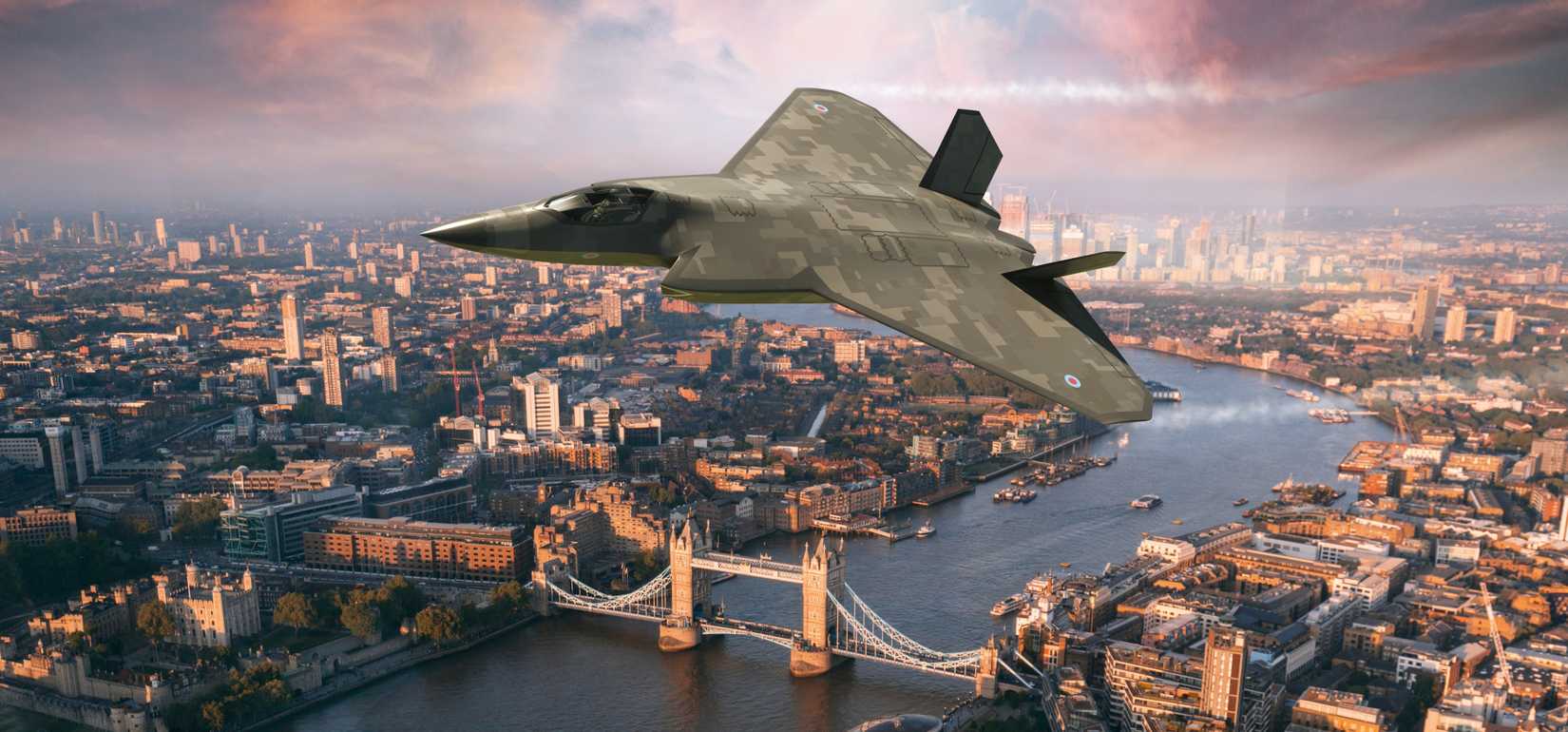
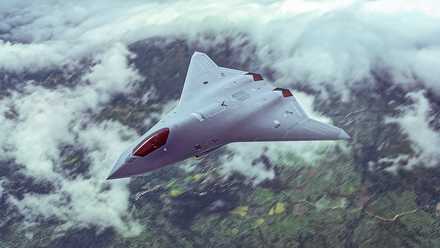
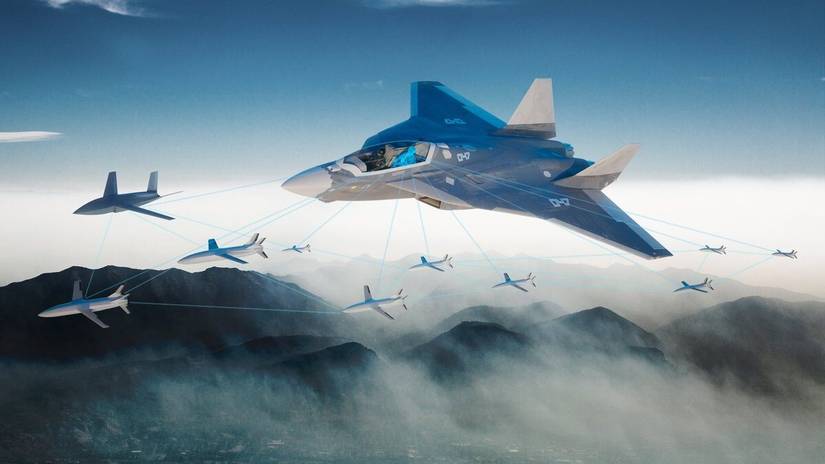
The global competition to field sixth-generation combat aircraft has intensified into a three-way contest dominated by the United States, China, and a trilateral consortium of the United Kingdom, Italy, and Japan pursuing the Global Combat Air Programme (GCAP), also known as Tempest. The term "sixth generation" itself carries significant definitional ambiguity — the generational framework was introduced by historian Richard P. Hallion in 1990 and gained mainstream currency as a justification for F-22 Raptor development costs — yet a working consensus identifies all-aspect stealth, advanced sensor fusion, high-bandwidth networking, and integration with autonomous Collaborative Combat Aircraft as hallmark criteria. Northrop Grumman has staked a bold marketing claim by designating its B-21 Raider strategic bomber the world's first sixth-generation aircraft to fly, having completed its maiden flight in 2023 with initial operational service projected for 2027. That assertion reflects a broader industry argument that the traditional line between fighter and bomber roles is dissolving as aircraft mature into networked command nodes operating alongside unmanned wingmen. China made its own public statement in late 2024 when the large three-engine tailless Chengdu J-36 and the smaller Shenyang J-50 were observed flying, though expert opinion is divided on whether both designs — particularly the J-50 — represent genuine next-generation capability or a more incremental 5th-generation-plus evolution.
For professional pilots and aviation operators, the strategic relevance of these programs extends well beyond military airspace. The geopolitical competition driving sixth-generation development is the same competition reshaping international routing environments across the Pacific and over high-tension corridors including the South China Sea and Taiwan Strait. Airlines and corporate flight departments operating transpacific routes or destinations across Southeast Asia operate in an environment where military posturing and airspace management decisions are increasingly influenced by the capabilities these programs are designed to project. China's deliberate choice to fly the J-36 and J-50 publicly — rather than maintaining the secrecy that characterizes U.S. programs — was itself a strategic signal, a message directed as much at foreign governments and defense analysts as at domestic audiences. That messaging calculus directly conditions the diplomatic environment in which international flight operations take place.
The technology development underway inside these programs also carries downstream implications for civil and business aviation. Advanced digital prototyping methodologies — model-based systems engineering, digital twins, and AI-assisted design iteration — have shortened development and test timelines for the B-21 relative to prior-generation programs and are being rapidly adopted across all sectors of aerospace manufacturing. These same tools are accelerating development of next-generation avionics, sensor fusion architectures, and cockpit human-machine interface designs that will appear in future commercial and business aircraft. The sensor fusion and data-link networking concepts being matured for sixth-generation fighters are direct technical ancestors of the integrated avionics suites already appearing in advanced business jets, where real-time data aggregation from weather, traffic, terrain, and systems monitoring is converging toward a single synthesized situational picture for flight crews.
The tailless design emphasis visible in U.S. and Chinese programs — though explicitly not universal across all sixth-generation efforts, with GCAP/Tempest and the Franco-German FCAS retaining conventional tail configurations — also signals ongoing aerodynamic research with eventual civil applications. Blended wing body and low-observable planform work conducted in parallel with sixth-generation development continues to inform long-range commercial transport design studies, including low-drag configurations that could materially improve fuel efficiency for ultra-long-range business jets and commercial widebodies. The classified U.S. demonstrator reportedly flown as early as 2019 suggests the American program is further advanced than publicly acknowledged, meaning technology readiness levels may already exceed what the open-source record captures. For operators and aviation professionals tracking the long arc of aerospace capability, the sixth-generation competition represents the leading edge of a technology wave whose effects on airspace policy, avionics standards, and aircraft design will be felt industry-wide over the coming decade.







 Read original article