JetZero Z4 Archives - Leeham News and Analysis
JetZero's groundbreaking on June 15, 2026 at Piedmont Triad International Airport in Greensboro, North Carolina marks a significant inflection point in commercial aviation manufacturing ambition. The company's planned eight-million-square-foot production facility — twice the footprint of Boeing's iconic Everett plant, which houses 747, 767, 777, and 787 production lines — signals that JetZero is pursuing industrial scale before its Z4 blended-wing-body airliner has achieved certification or entered service. The $4.7 billion investment commitment, supported by what North Carolina officials described as the largest state incentive package ever offered to a start-up in any industry, will target more than 14,500 jobs in Guilford County over the next decade. State officials characterized the project as the largest economic development commitment in North Carolina history, underscoring how aggressively regional governments are competing to attract next-generation aerospace manufacturing.
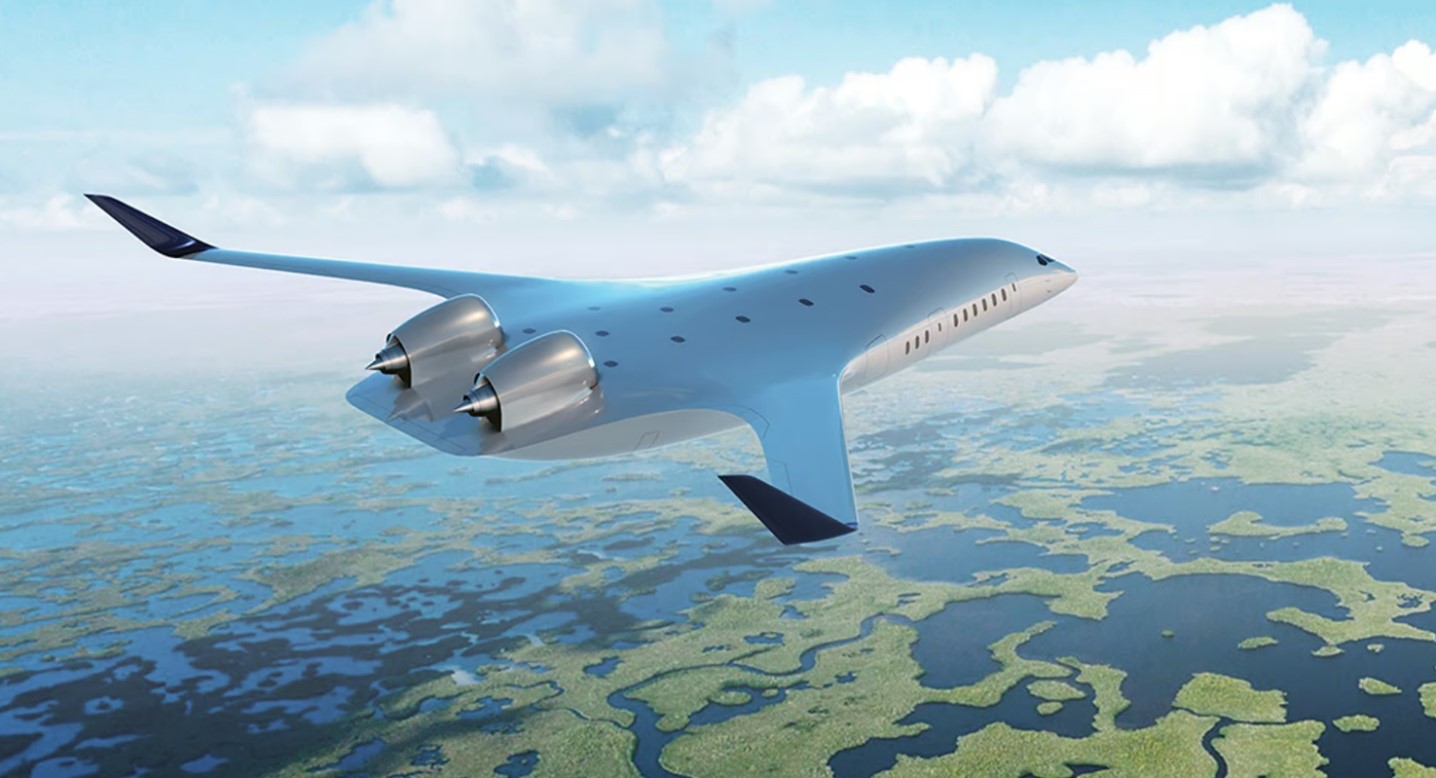
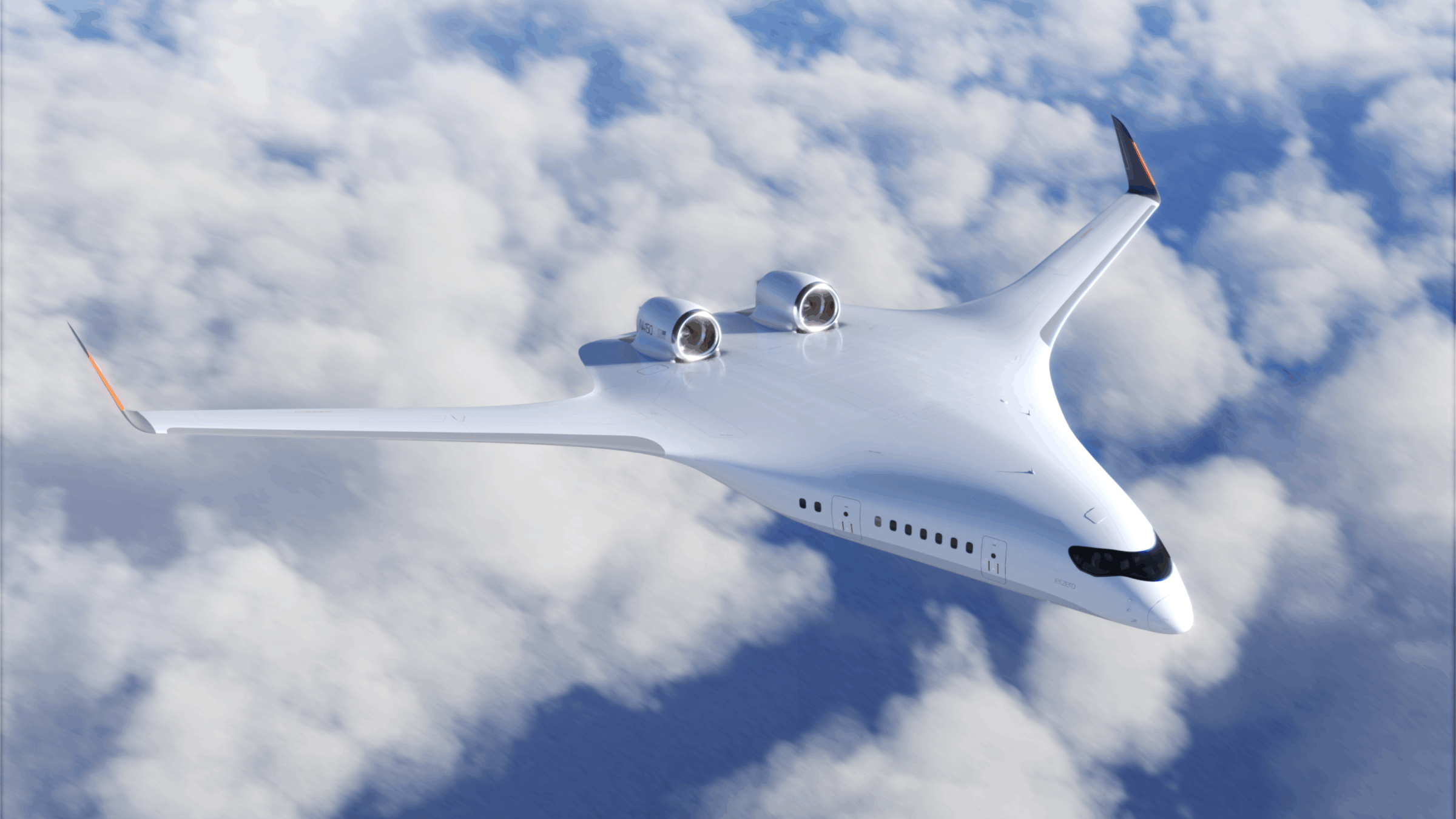
The Z4's underlying engineering presents challenges that differentiate it sharply from the conventional tube-and-wing aircraft that professional pilots operate today. Analyst Bjorn Fehrm's ongoing technical series at Leeham News and Analysis identifies several compounding design constraints. The BWB's aerodynamic drag characteristics — dominated by air-friction drag rather than induced drag — push its optimal cruise altitude roughly 10,000 feet higher than an equivalent-capacity tube-and-wing aircraft. That altitude differential forces engine selections toward higher specific thrust and lower bypass ratios, running counter to the industry's established trajectory of progressively higher-bypass turbofans optimized for fuel efficiency at conventional cruise altitudes. For flight crews and operators familiar with the performance envelope of current widebody equipment, this represents a meaningfully different set of operating assumptions regarding thrust management, engine-out scenarios, and fuel planning.
Structural certification also presents non-trivial hurdles. Where conventional airliners cleanly separate cabin pressure loads — handled efficiently by a cylindrical fuselage — from wing aerodynamic loads managed by a continuous wingbox, the BWB integrates both into a wide, box-shaped cabin structure that is geometrically suboptimal for resisting cyclic pressurization fatigue. Fehrm's analysis notes that fatigue-sensitive bending loads from pressurization cycles are difficult to avoid in a BWB configuration, and that wing gust, hard landing, and engine-out loads must be absorbed by the same structure simultaneously. These are not insurmountable engineering problems, but they require certification approaches that will be novel territory for the FAA and likely extend the timeline before operational aircraft reach airline fleets.
Passenger environment and emergency egress considerations add further regulatory complexity relevant to operators. The Z4's cabin concept replaces traditional side windows with wide screens simulating external views, supplemented by natural light through roof skylights — an unproven passenger experience at commercial scale. Emergency exit planning follows conventional door placement except in the event of water landings, where the BWB's buoyancy characteristics may position the waterline above standard exit door thresholds, necessitating roof-mounted emergency exits tied to the skylight structures. Cabin crew training, emergency procedure design, and ditching certification under existing regulatory frameworks will require new standards that do not yet exist.
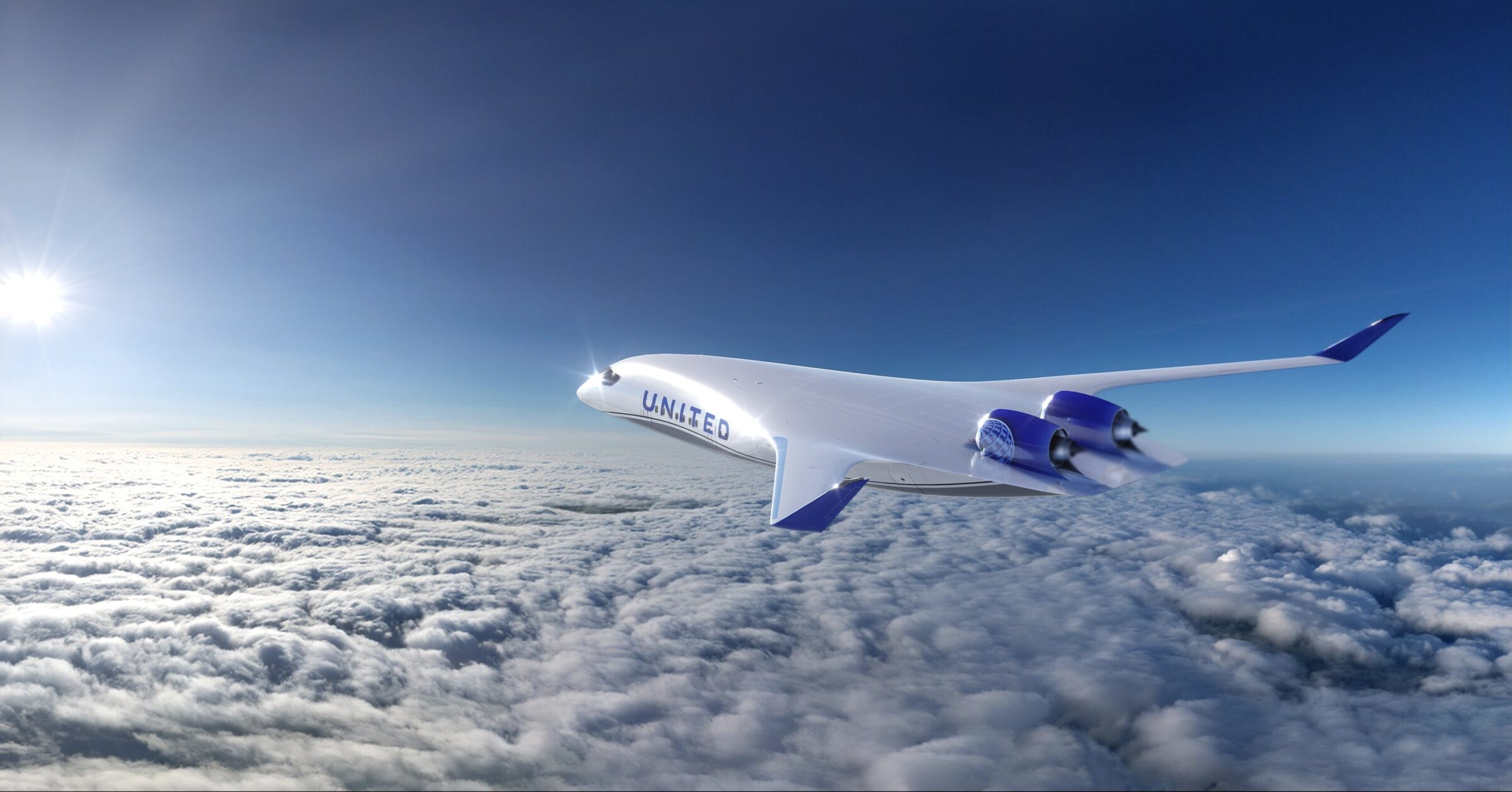
For airline planners, charter operators, and business aviation observers tracking the next generation of large-cabin air transport, JetZero's factory groundbreaking represents a credible commitment of capital and infrastructure at a scale that demands attention, even as significant technical and regulatory milestones remain ahead. The broader context is a commercial aviation industry actively searching for a post-narrowbody efficiency breakthrough: Airbus and Boeing have deferred or cancelled new clean-sheet programs, leaving room for alternative architectures to attract both government backing and airline interest. Whether the Z4 achieves its efficiency promises at the cruise altitudes and structural weights JetZero projects will determine whether the factory at Greensboro produces a transformative airliner or becomes a monument to ambition that outpaced engineering reality. Pilots and operators should monitor Z4 certification progress, engine selection announcements, and any launch customer commitments as the most reliable indicators of where this program stands relative to actual entry into service.






 Read original article