Why The US Navy Is Sending Super Hornets To Fight F-5 Tigers In Reserve Squadrons
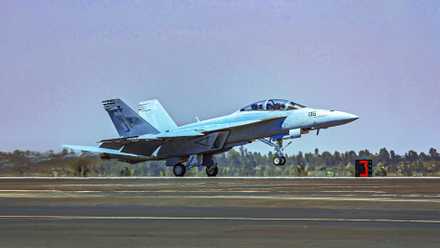
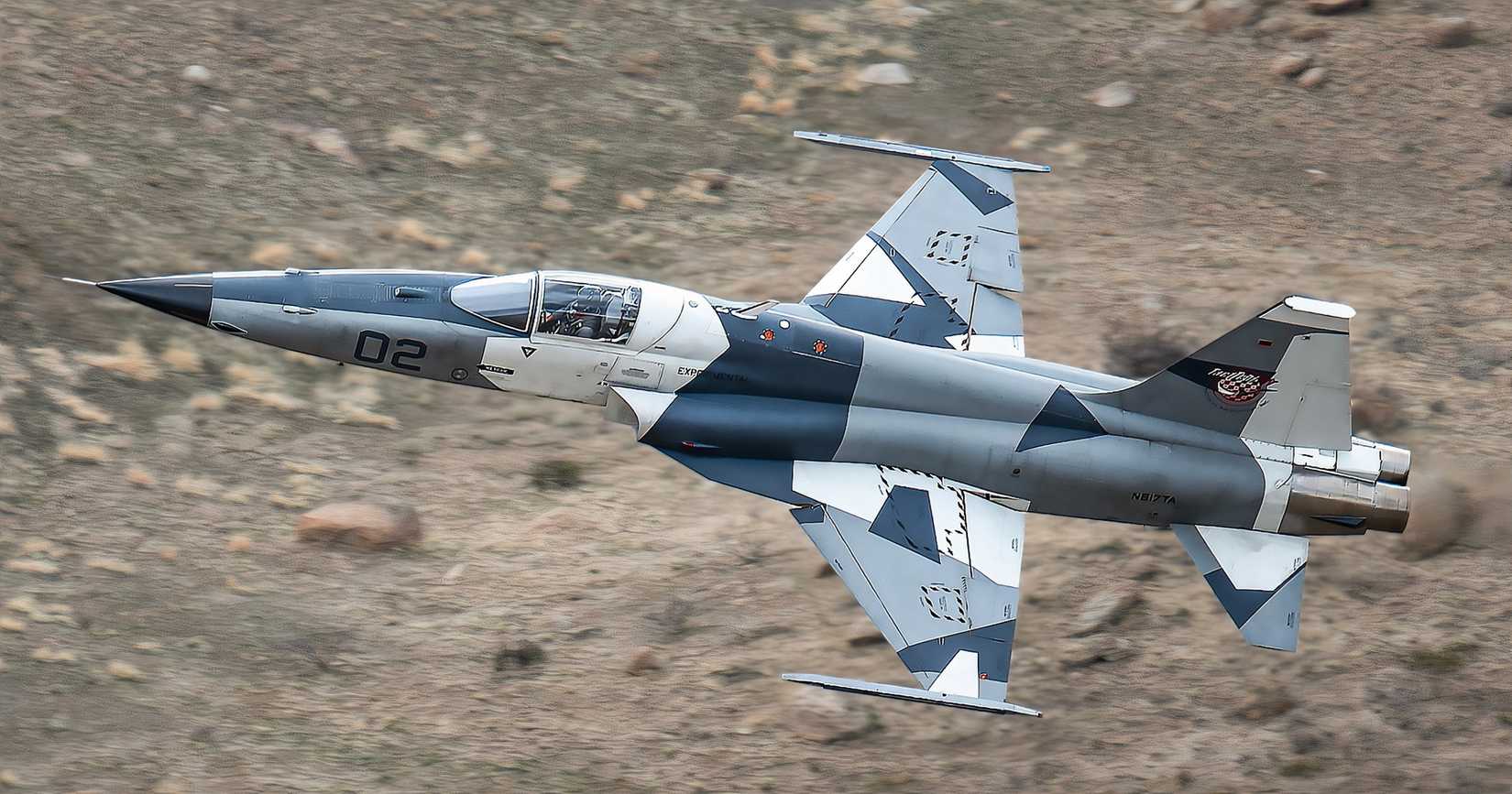
The US Navy is moving to replace its aging fleet of Northrop F-5N/F aggressor aircraft with F/A-18E/F Super Hornets in reserve adversary squadrons, a transition now formalized in the first draft of the House Armed Services Committee's Fiscal Year 2027 National Defense Authorization Act. The NDAA language requires the Secretary of the Navy to deliver annual reports for five consecutive years detailing the plan and execution of transitioning Navy Reserve F-5 tactical fighter flying units to the Super Hornet, marking the clearest legislative signal yet that the service intends to retire the F-5 from its adversary training role. The Navy currently operates 28 single-seat F-5Ns and two two-seat F-5Fs, supplemented by 22 ex-Swiss Air Force F-5E/Fs acquired in a reverse Foreign Military Sales arrangement for approximately $50 million — aircraft that, even after being upgraded to the ARTEMIS standard, are increasingly viewed as inadequate for generating the threat fidelity Navy strike fighter crews require.
The driving force behind this transition is the rapid modernization of Chinese air power. The People's Liberation Army Air Force has fielded successive generations of 4.5th- and 5th-generation fighters, rendering the F-5's performance envelope — rooted in 1960s design principles — insufficient to replicate the threat environment carrier air wing crews will face in a high-end conflict. The F-5 provided useful quantity and reasonable maneuverability in a small airframe, but its radar cross-section, sensor suite, and kinematics no longer approximate what adversary aircraft can bring to a beyond-visual-range or within-visual-range engagement. The Super Hornet, even in earlier Block configurations, carries a modern AESA radar, electronic warfare capability, and datalink architecture that allows adversary squadrons to generate far more sophisticated and realistic threat presentations during dissimilar air combat training events.
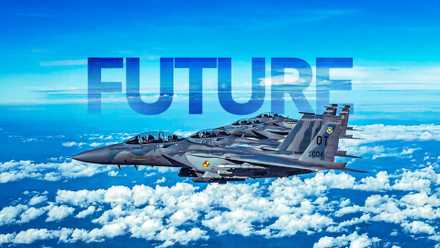
This move mirrors a parallel shift already underway in the US Air Force, which has stood up a dedicated F-35A adversary squadron to provide high-end red air training and reduce dependence on contractor-operated, foreign-sourced aggressor fleets. The broader pattern reflects a deliberate recalibration across the services: legacy aggressor platforms optimized for Cold War-era training are being retired in favor of platforms that can credibly replicate modern integrated threat environments. For naval aviators — particularly those flying F/A-18E/F Super Hornets and F-35Cs from carrier decks — the quality of adversary training directly affects combat readiness. Training against an F-5 that cannot replicate the radar and missile employment of a J-16 or J-20 leaves measurable gaps in aircrew tactical development.
For operators in the broader professional aviation community, the development underscores how defense aviation procurement decisions increasingly cascade through the entire ecosystem. Older Super Hornets becoming available as the Navy advances toward the Next Generation Air Dominance platform create a logical pipeline for repurposing high-quality, combat-proven airframes into the adversary training mission rather than disposing of them. The reserve component absorbs these aircraft at a fraction of new-build cost while gaining a dramatically more capable training asset. Aviation professionals tracking defense sector trends should note that this transition also affects the contractor adversary air industry, which has grown substantially over the past decade using surplus foreign fighters; as the services bring higher-end platforms in-house, the competitive dynamics for contracted red air services will shift accordingly.











 Read original article