The 2-Year Airbus Delay Forced Air Canada To Rebuild Its Entire Transatlantic Overhaul Around Toulouse
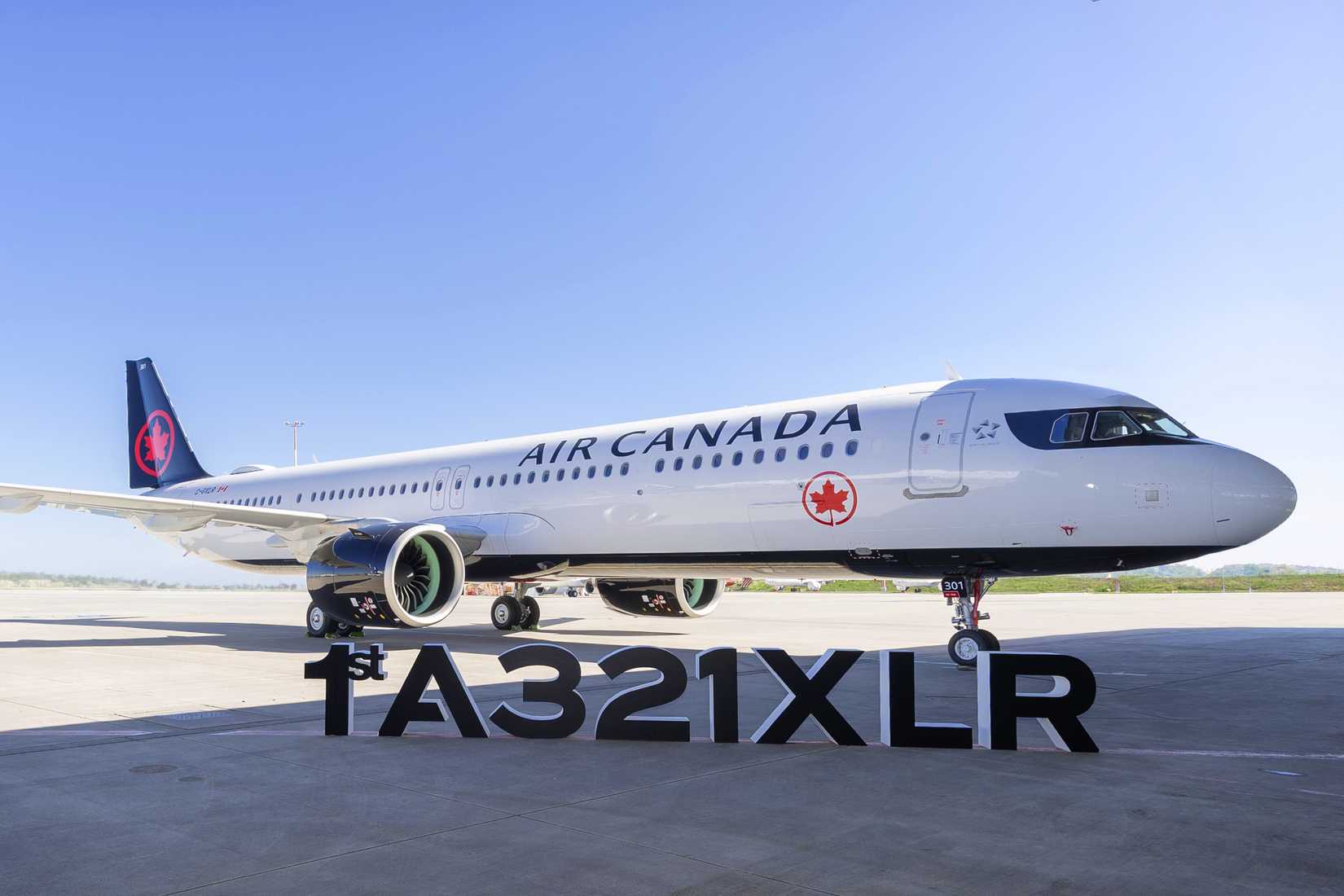
Air Canada's experience with the Airbus A321XLR illustrates a pattern that is becoming familiar across the industry: next-generation aircraft arriving late and forcing airlines to reexamine the strategic logic they built around them. COO Mark Nasr confirmed to Reuters that deliveries are running "the better part of two years late," attributing the slippage to ongoing supply-chain friction. With 30 aircraft on order and only two in hand as of mid-2026, Air Canada has been forced to improvise, substituting Boeing 787-8 widebodies on routes it had earmarked for the XLR and fundamentally reshaping which markets the narrowbody will serve first. The airline's original plan centered on leisure-heavy European destinations including Palma de Mallorca, Edinburgh, and Dublin. What has emerged instead is a narrower, more deliberate deployment anchored by Montréal–Toulouse — a route with year-round business and aerospace demand rather than seasonal tourism peaks.
The more technically significant dimension of the Air Canada story concerns the gap between the A321XLR's published performance envelope and its commercially usable range in revenue service. The aircraft's 4,700-nautical-mile design range is the figure that generated industry excitement and drove order books, but Chief Commercial Officer Mark Galardo has been explicit that heat, short runway lengths, and terrain obstacles create payload penalties that can materially affect whether a given route works financially. For operators and dispatchers, this is a familiar calculus applied to a new airframe: an aircraft that can technically complete a segment does not automatically generate the payload-revenue combination necessary to make that segment profitable on a repeatable, year-round basis. Palma de Mallorca, for instance, presents a combination of hot summer temperatures and a runway environment that constrains the aircraft's ability to carry a full revenue payload precisely during the high-demand season when the route would need to justify itself commercially.
Toulouse-Blagnac represents the inverse scenario — a mission that aligns with the XLR's actual strengths rather than its marketing headline. The YUL-TLS pairing carries francophone cultural logic, business aviation connectivity between two major Airbus production centers, and consistent year-round demand that does not depend on summer leisure traffic to fill seats. Critically, the airport and atmospheric environment present fewer payload restrictions than southern European leisure destinations. Air Canada had originally planned this route in 2019, delayed the launch due to the pandemic, and when it finally operated it in 2023 using an A330-300 with five weekly frequencies, struggled to fill the 1,400 weekly seats that widebody generated. That context makes the A321XLR the structurally appropriate tool: the right-sized cabin to match thinner but stable demand, with narrowbody trip economics that make lower load factors survivable.
For airline network planners and operators more broadly, Air Canada's XLR trajectory is functioning as a real-time case study in the difference between theoretical capability and operational utility. The A321XLR is not a widebody replacement; it is a precision instrument for specific thin long-haul missions where passenger volume, airport infrastructure, seasonal demand patterns, and payload requirements align within narrow tolerances. Airlines that modeled their XLR deployments around the 4,700-mile range number without stress-testing the full operational payload picture against specific route conditions are now reconfiguring their networks accordingly. The supply-chain delays, frustrating as they are commercially, have created a forced reckoning that may ultimately produce more disciplined route selection than the original optimism allowed for.
The broader implication for Part 121 operators and the business aviation sector tracking fleet evolution is that the narrowbody long-haul concept, while commercially valid, demands a level of route-specific due diligence that widebody operations historically could absorb through sheer capacity buffer. When every seat and kilogram of payload matters to whether the economics clear, the margin for network planning error shrinks considerably. Airbus is simultaneously managing A321XLR certification follow-on requirements, ongoing production ramp challenges across its Hamburg and Toulouse facilities, and customer pressure from multiple carriers facing similar delivery gaps. Air Canada's experience is not unique — it is representative of the adjustment period the entire industry is navigating as the XLR transitions from order-book phenomenon to operational reality.











 Read original article