What Happens When A Fighter Jet is Retired?
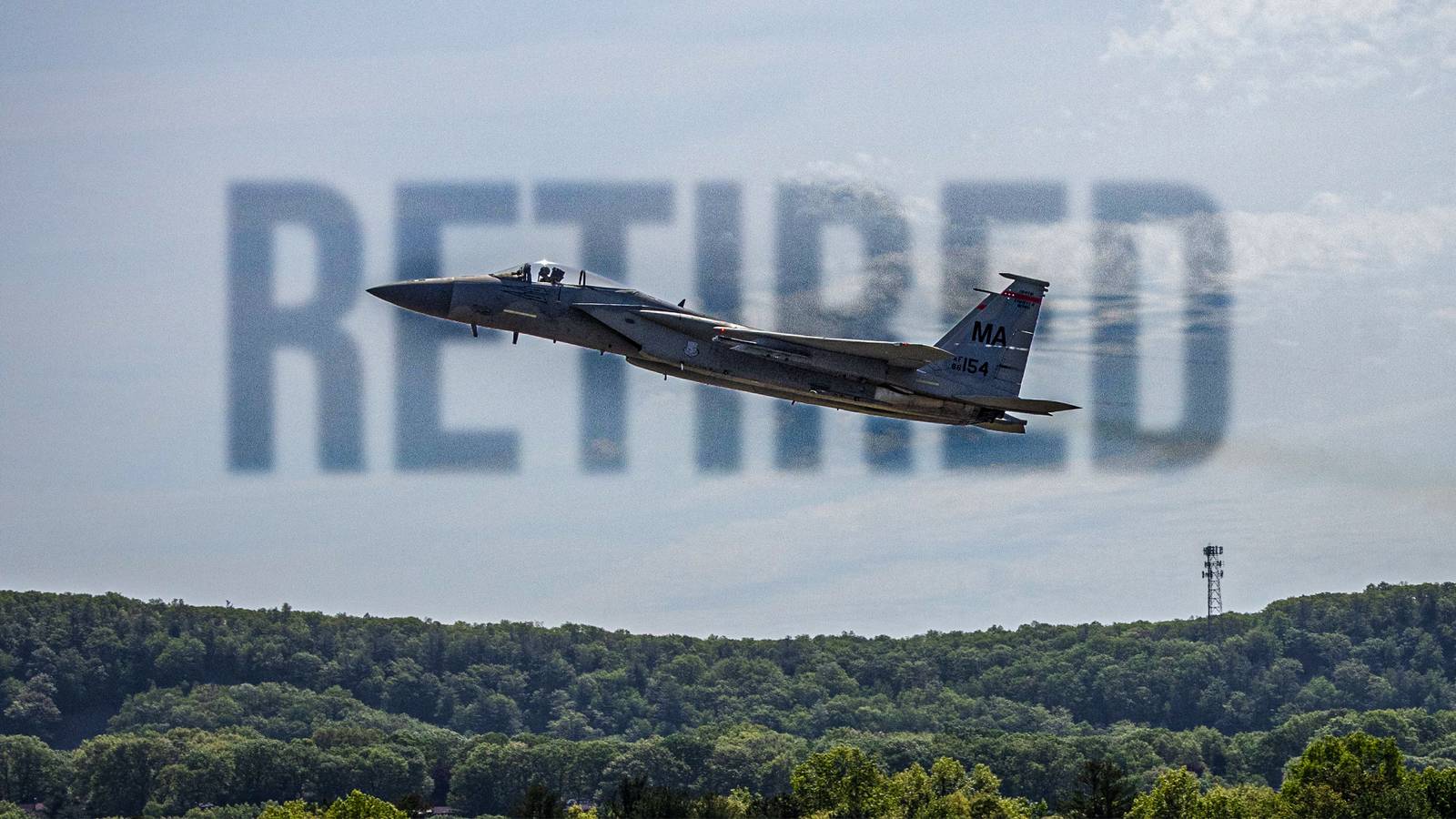
Retired military fighter jets follow a surprisingly structured set of pathways depending on their nation of origin, airframe condition, and strategic value — a lifecycle that reveals as much about geopolitical relationships and maintenance culture as it does about aircraft engineering. The article from Simple Flying surveys the major fates awaiting combat aircraft at the end of their service lives: transfer to allied air forces, long-term storage in boneyards, conversion to unmanned aerial targets or testbeds, and acquisition by private aggressor and adversary air training contractors. The piece draws a clear distinction between Western and Russian/Soviet airframes, noting that Soviet-era jets tend to have shorter operational lifespans and fewer residual flight hours, which limits their appeal on the secondary market. That dynamic was reinforced by the U.S. Countering America's Adversaries Through Sanctions Act of 2017, which sharply curtailed the international circulation of Russian military hardware. India's retirement of its last MiG-21s in 2025 effectively ended the Fishbed's operational chapter, while the F-5 Tiger — its rough Western contemporary — continues flying with dozens of air forces, underscoring how dramatically durability and maintainability affect long-term platform viability.
The transfer of retiring fighter jets between allied nations has accelerated notably in the mid-2020s, driven largely by the war in Ukraine and the associated reshuffling of European air force inventories. Denmark, Belgium, Norway, and the Netherlands are collectively transferring F-16s to Romania, Ukraine, and Argentina as those countries transition to F-35s. France has directed retiring Mirage fighters and Super Étendards toward Ukraine and South America, and Finland has committed to donating 16 Gripen C/Ds to Ukraine beginning in 2027. The article notes that the United States, by contrast, transfers far fewer retired airframes abroad than its European allies, citing concerns about sensitive avionics and proprietary systems, the value of maintaining a large domestic reserve pool, and the unique wear patterns imposed by carrier operations on Navy aircraft. Canada's acquisition of retired Royal Australian Air Force F/A-18A/B Hornets for parts and usable airframes illustrates how even decommissioned Western platforms retain significant residual value when airframe hours and maintenance records are well-documented.
Davis-Monthan Air Force Base in Tucson, Arizona — universally known as the Boneyard — remains the world's most sophisticated aircraft storage and reclamation facility, and its existence reflects a deliberate U.S. policy of treating retired military airframes as a strategic reserve rather than a liability. The 309th Aerospace Maintenance and Regeneration Group (AMARG) manages thousands of aircraft in various states of preservation, enabling regeneration to active service, parts harvesting, foreign military sales, or controlled disposal. No other nation operates a comparable facility with the same level of organization and transparency. The article highlights that Russia, by contrast, stores obsolete airframes in an ad hoc fashion across numerous airbases, creating significant ambiguity for outside analysts attempting to assess true operational inventories. This opacity extends to China and numerous other air forces, where satellite imagery and serial number tracking substitute for official disclosure. The contrast matters operationally: U.S. GAO audits and published readiness statistics give adversaries and allies alike a reliable baseline, while opaque inventories complicate threat assessment for intelligence and operational planning communities.
For professional pilots — particularly those in defense contracting, ADTS (Air Defense Training Services) operations, or military test and evaluation — the aggressor and adversary air sector represents the most directly relevant development highlighted in the article. Private companies including Airborne Tactical Advantage Company (a Textron subsidiary), Draken International, and TacAir collectively operate fleets exceeding several hundred former military jets, including Mirage F1s, Kfir F-21s, Hawker Hunters, L-39 Albatros trainers, A-4K Skyhawks, and L-159E ALCAs. These contractors supply realistic adversary air to U.S. and allied military units at a fraction of the cost of using active-duty tactical aircraft. Pilots flying in this sector require type-specific training on platforms that are often decades out of production with limited parts support, making maintenance awareness and systems knowledge particularly critical. The QF-16 drone conversion program also illustrates a parallel pathway: the article notes that the Air Force exhausted its supply of usable F-4 Phantom II airframes for the QF-4 program and transitioned to the QF-16, while a small number of F-16s serve as crewed testbeds under the VENOM (Viper Experimentation and Next-gen Operations Model) program, bridging legacy airframes with next-generation autonomy research.
The broader trend visible across all these pathways is that modern fighter aircraft — particularly Western designs with robust maintenance documentation, standardized parts ecosystems, and generous airframe hour budgets — retain meaningful utility well beyond their primary service lives. For aviation operators and corporate flight departments that interface with the defense world, whether through Part 135 charter supporting military contractors, avionics integration work, or pilot pipelines that flow through military service, understanding how airframes are valued, stored, and repurposed offers useful context about how the defense aviation sector allocates resources. The increasing sophistication of the private aggressor industry, in particular, is creating a stable if specialized employment pathway for experienced military pilots transitioning out of active service — one that demands both tactical currency and the kind of airmanship discipline required to operate aging, high-performance jets with limited institutional support infrastructure.






 Read original article