"15 Loud Bangs:" United 777 To Munich Makes Emergency Landing In Houston After Engine Fire
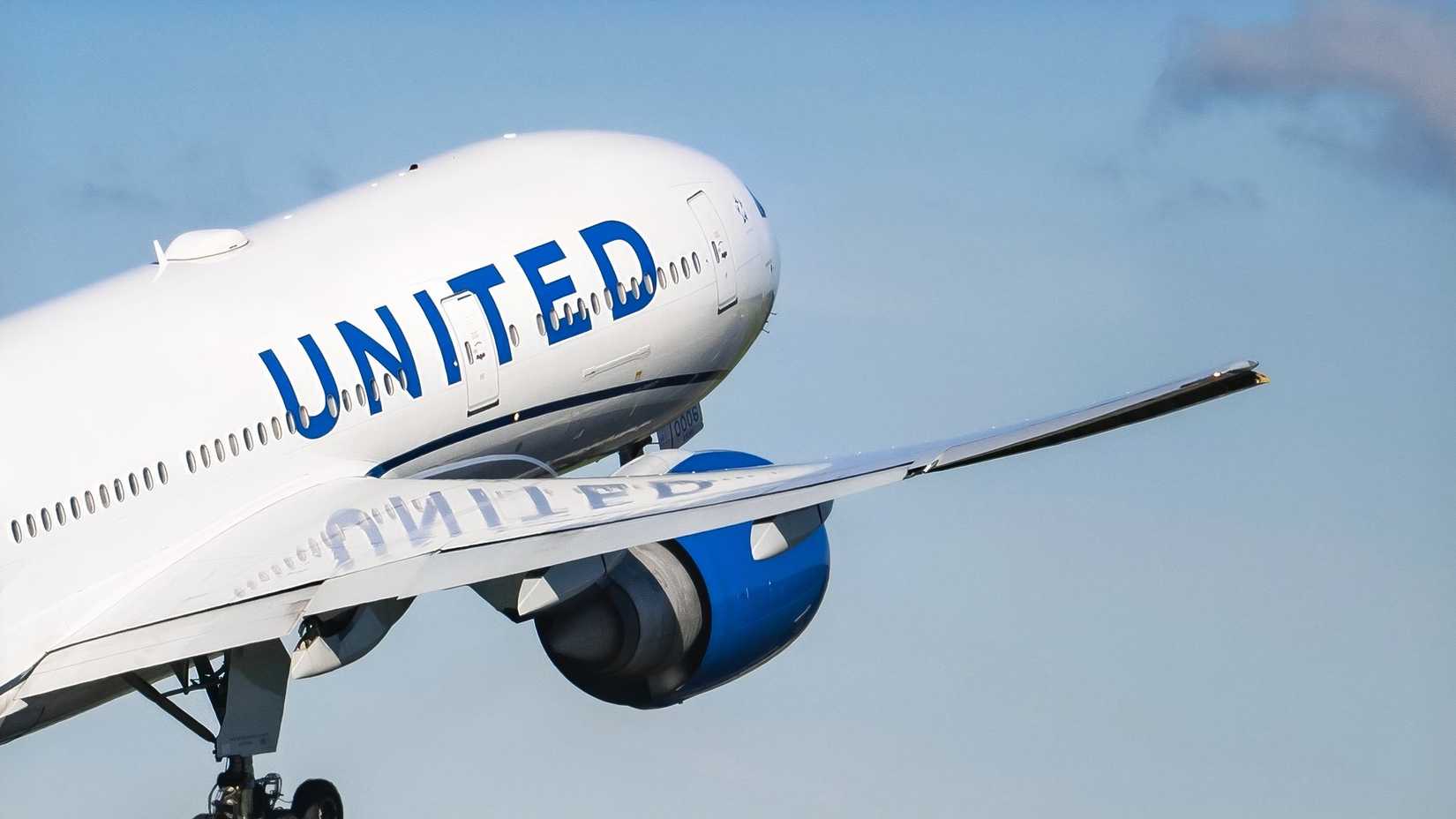
United Airlines Flight UA102, a Boeing 777-200ER bound for Munich's Franz Josef Strauss Airport, declared an emergency and returned to Houston George Bush Intercontinental Airport on June 19, 2026, after the aircraft's right-hand engine caught fire shortly after departure. Passengers reported approximately 15 loud bangs emanating from the engine as the flight crew halted the aircraft's climb at 3,000 feet and entered a holding pattern to configure for the return. The 777 landed safely at approximately 7:10 PM local time, roughly 40 minutes after wheels-up, with all 267 passengers and 13 crew members uninjured. United confirmed an "engine issue" in its public statement but declined to characterize the event more specifically or provide a return-to-service timeline for the aircraft.
The airframe at the center of the incident, registered N78009, carries meaningful operational history that is directly relevant to the investigation that will follow. The 27-year-old 777-200ER is a former Continental Airlines aircraft absorbed into United's fleet after the 2010 merger, and it has accumulated over 127,000 flight hours across more than 13,000 cycles — figures that place it firmly in mature-airframe territory for a widebody. Unlike the majority of United's 777 fleet, which is powered by Pratt & Whitney PW4000 engines, N78009 belongs to a 22-aircraft sub-fleet of ex-Continental 777-200ERs equipped with General Electric GE90 engines. The loud repetitive bangs described by passengers are consistent with compressor stalls or an uncontained or partially contained failure event, though the precise failure mode will be established through NTSB and FAA investigation, along with GE Aviation's own engine teardown analysis. The crew's decision to hold altitude at 3,000 feet rather than continue climbing was procedurally sound, keeping options open for a rapid return while reducing structural and performance demands on a single-engine configuration.
From a flight operations standpoint, the crew's response reflects standard twin-engine emergency protocol. ETOPS-certified twinjets like the 777 are designed and certified to operate on a single engine, and the 777 specifically holds some of the longest ETOPS authorizations in commercial service — making a safe return from a departure-phase engine event well within the aircraft's demonstrated capability. Engine fire checklists on transport-category aircraft are among the most drilled emergency procedures in airline training programs, involving engine shutdown, fuel cutoff, and fire suppression bottle discharge in a sequenced flow. The speed of the return — under 40 minutes from departure to landing — also suggests the fire was contained relatively quickly and that no secondary systems were compromised. For Part 121 operators and ETOPS dispatchers, this event is a reminder that while departure-phase emergencies are statistically rare, they represent the most time-compressed decision environment crews face, with limited altitude, energy, and time to configure before committing to a landing.
The incident draws attention to a broader fleet management question facing United and other legacy carriers: the continued operation of aging widebody aircraft in high-demand international service. United's 777-200 fleet carries an average age exceeding 27 years, with the oldest airframes now past 31 years — an age range that demands increasingly rigorous maintenance oversight, accelerated inspection intervals, and close coordination with engine manufacturers on cycle-limited parts. The GE90, while one of the most reliable large turbofan engines in commercial service with an exceptional dispatch reliability record, is not immune to age-related fatigue on components such as fan blades, compressor stages, and combustor liners. Regulators and fleet planners will be watching the investigation's findings closely, particularly as United has simultaneously been rolling out Starlink connectivity upgrades on this same ex-Continental sub-fleet — a sign the airline intends to keep these aircraft revenue-productive well into the near term rather than accelerate retirements. For corporate flight departments and charter operators tracking safety trends, this event reinforces the importance of scrutinizing airframe and powerplant cycle history when evaluating any aging high-cycle transport-category aircraft, regardless of carrier or brand reputation.









 Read original article