Southwest Airlines Has No Direct Competition On 60% Of Its Routes: Here's Why That's Changing In 2026
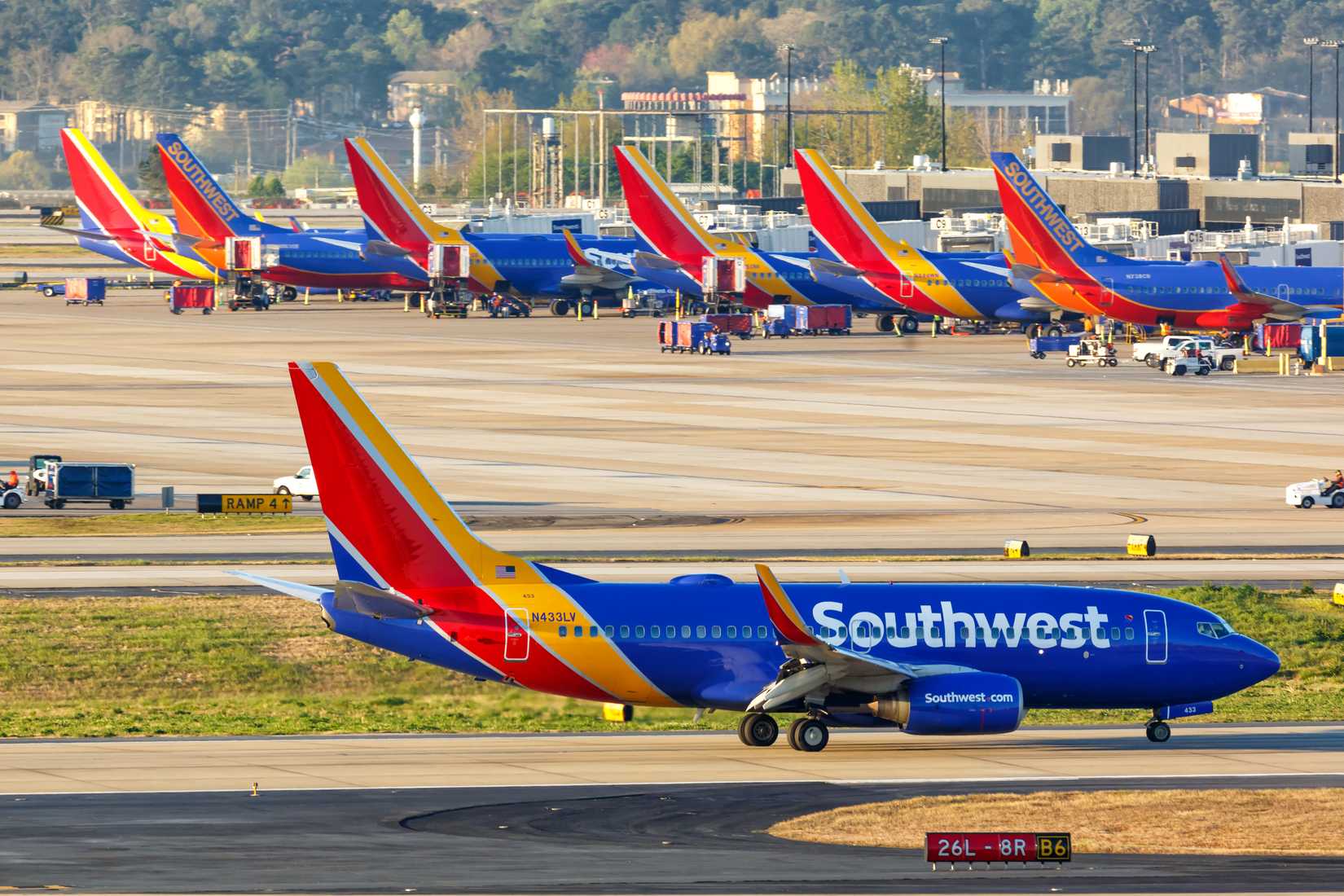
Southwest Airlines holds a structural position unlike any other US carrier: approximately 60% of its routes operate without direct nonstop competition, a figure that reflects decades of deliberate network strategy built around secondary airports, underserved city pairs, and point-to-point operations that legacy carriers ignored. That dominance was not accidental. While United, Delta, and American concentrated resources on major hub-to-hub corridors, Southwest systematically identified markets where its presence would stimulate new demand rather than simply absorb existing travelers from entrenched competitors. The results were commercially significant. The airline grew from a regional Texas operator into the nation's largest domestic carrier by passengers, posting $28.1 billion in revenue in 2025 while maintaining a simplified product built around free checked bags, open seating, and transparent pricing. That combination of route exclusivity and brand differentiation created a self-reinforcing competitive moat that proved highly durable across multiple industry downturns, deregulation cycles, and competitive waves.
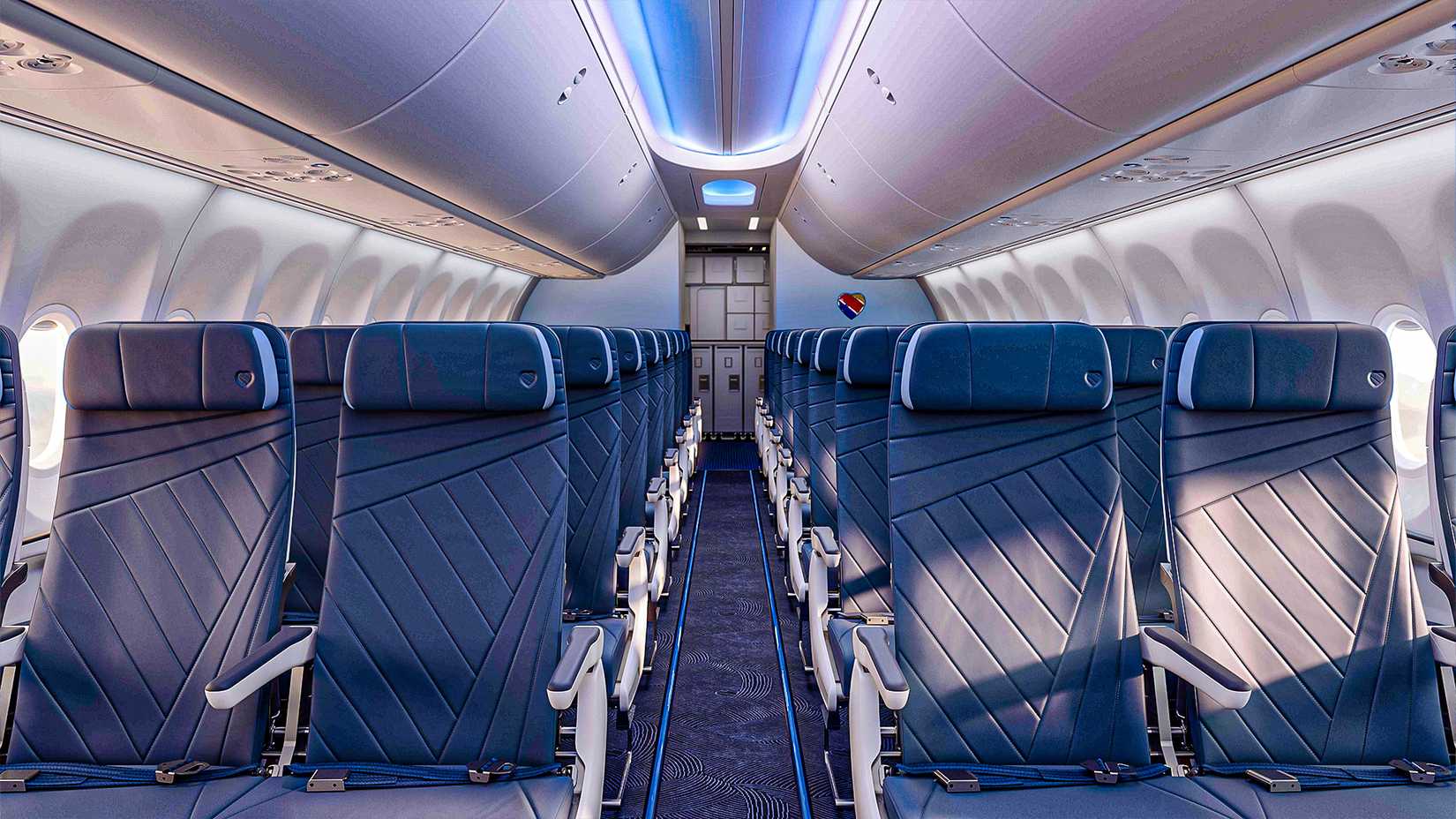
That model is now being systematically dismantled, and the pace of change is accelerating in 2026. Under pressure from activist investor Elliott Investment Management, Southwest has committed to assigned seating, premium cabin products, checked baggage fees, and basic economy fare tiers — each of which directly erodes the brand characteristics that gave the airline pricing leverage on its monopoly routes. The strategic logic behind the original product structure was not merely customer-friendly optics. Free bags and open seating functioned as genuine switching barriers: travelers who valued simplicity and total cost predictability had meaningful reasons to choose Southwest even when a competitor offered a nominally lower base fare. Removing those features eliminates the switching cost without guaranteeing that the resulting revenue from ancillary fees will offset the lost brand premium. Simultaneously, low-cost and ultra-low-cost carriers are identifying Southwest-dominated markets as newly penetrable precisely because the product differentiation that once protected them is dissolving.
For airline pilots and aviation professionals, the developments signal a meaningful shift in domestic competitive dynamics with direct implications for crew employment, base stability, and scheduling. Southwest's network density and point-to-point model have historically supported relatively stable operations across a large number of mid-tier cities that see limited widebody or mainline activity. If the airline's competitive repositioning drives route retrenchment in markets where its monopoly position weakens under new low-cost entrant pressure, pilots at both Southwest and competing carriers can expect capacity reshuffling in secondary and midsize markets that have historically been insulated from the aggressive fare wars common at major hubs. The carrier's 2025 restructuring, which included its first significant involuntary layoffs and a meaningful reduction in underperforming routes, suggests that network contraction is already underway rather than merely theoretical.
The broader industry context reinforces why this transition carries outsized significance. Southwest's route monopoly structure represented one of the last large-scale examples of demand-stimulation network strategy in US commercial aviation, a model that predated the ultra-low-cost carrier explosion and the aggressive ancillary fee structuring that now characterizes most domestic competition. As Southwest converges toward industry-standard product tiers and fee structures, the competitive landscape in domestic US aviation becomes more uniform, which historically tends to intensify fare pressure in markets where multiple carriers now offer essentially equivalent products. For corporate flight departments and Part 135 operators watching the commercial market, a more homogenized Southwest product reduces one of the primary arguments that price-sensitive corporate travelers used to justify commercial alternatives over charter or fractional options — particularly on thin secondary-market routes where Southwest once provided reliable, low-friction nonstop service that charter could not economically match. Whether the reconfigured Southwest can sustain its revenue base while sacrificing the brand equity that made its monopoly routes defensible remains the central operational question for the airline entering the second half of 2026.








 Read original article