The World's 5 Largest Air Cargo Hubs In Operation
Global air cargo volumes reached nearly 130 million metric tons in 2025, according to Airports Council International world traffic rankings, reflecting continued expansion driven by international trade growth and accelerating e-commerce demand. The five busiest cargo airports collectively processed close to 20 million metric tons of freight, underscoring how freight operations have become structurally dominant at certain facilities that dwarf their passenger traffic by comparison. Three distinctly different operational models define the top tier of cargo hubs: the integrated express carrier superbase, the geographic transit node, and the legacy freight metropolis — each representing a different strategic logic for how air cargo volume concentrates.
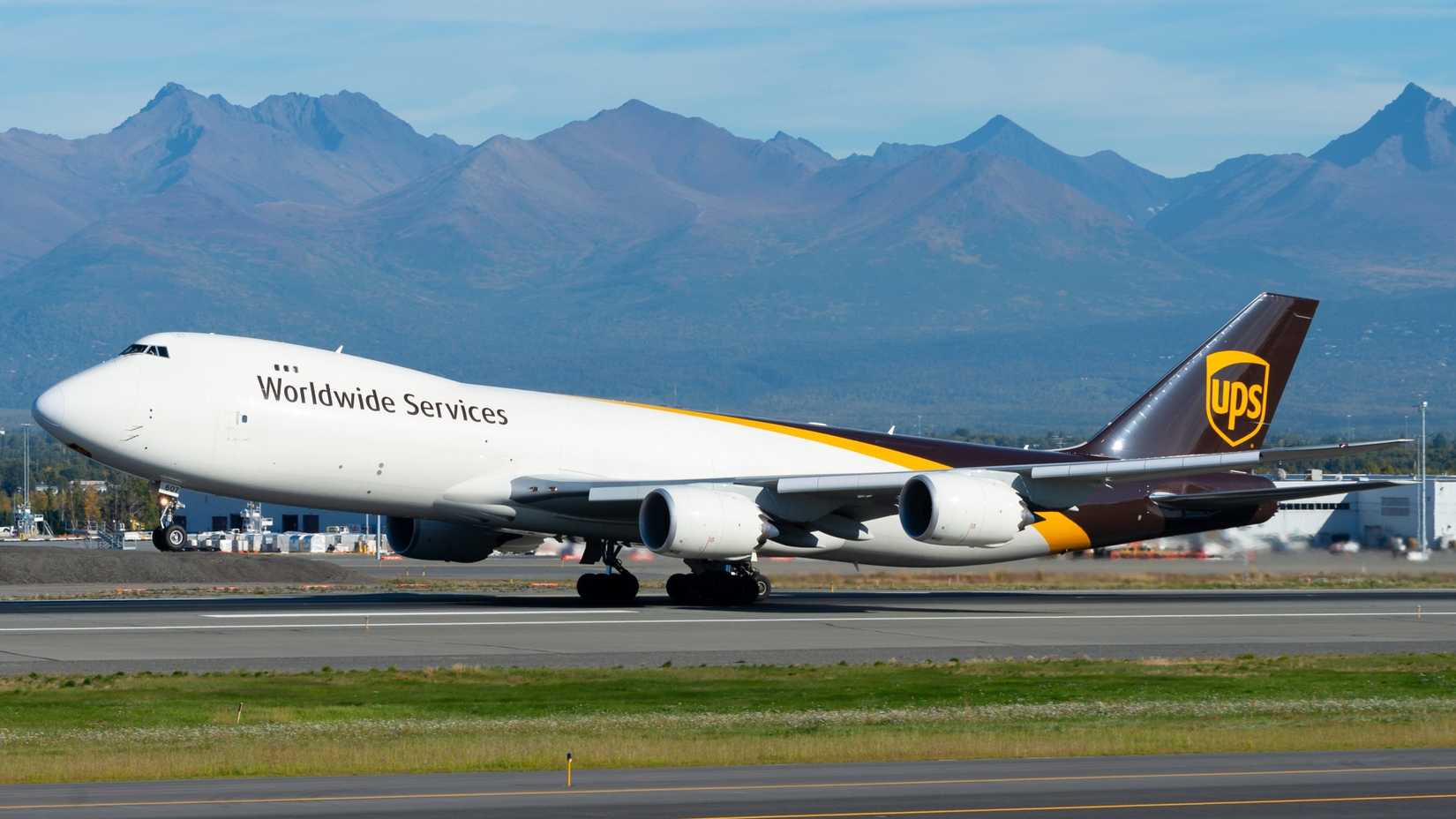
Louisville Muhammad Ali International Airport posted the strongest growth rate among the top five, surging more than 15% year-over-year to handle 3.15 million metric tons and climb one position in the global rankings. The airport's trajectory is almost entirely a function of UPS Airlines' Worldport facility, one of the most capital-intensive logistics installations in commercial aviation. Worldport operates as a nightly convergence point where hundreds of freighter movements cycle through in a compressed operational window, with the facility processing hundreds of thousands of packages per hour at peak. For cargo crews operating into SDF, this translates to extremely dense overnight traffic, tight turnaround windows, and sequencing complexity that rivals major passenger hubs. The airport's mid-continent geography — placing it within roughly two hours' flight time of a significant share of the US population — is not incidental to UPS's network design but is foundational to it, and continued infrastructure investment at Louisville signals that express freight volumes will keep expanding there.
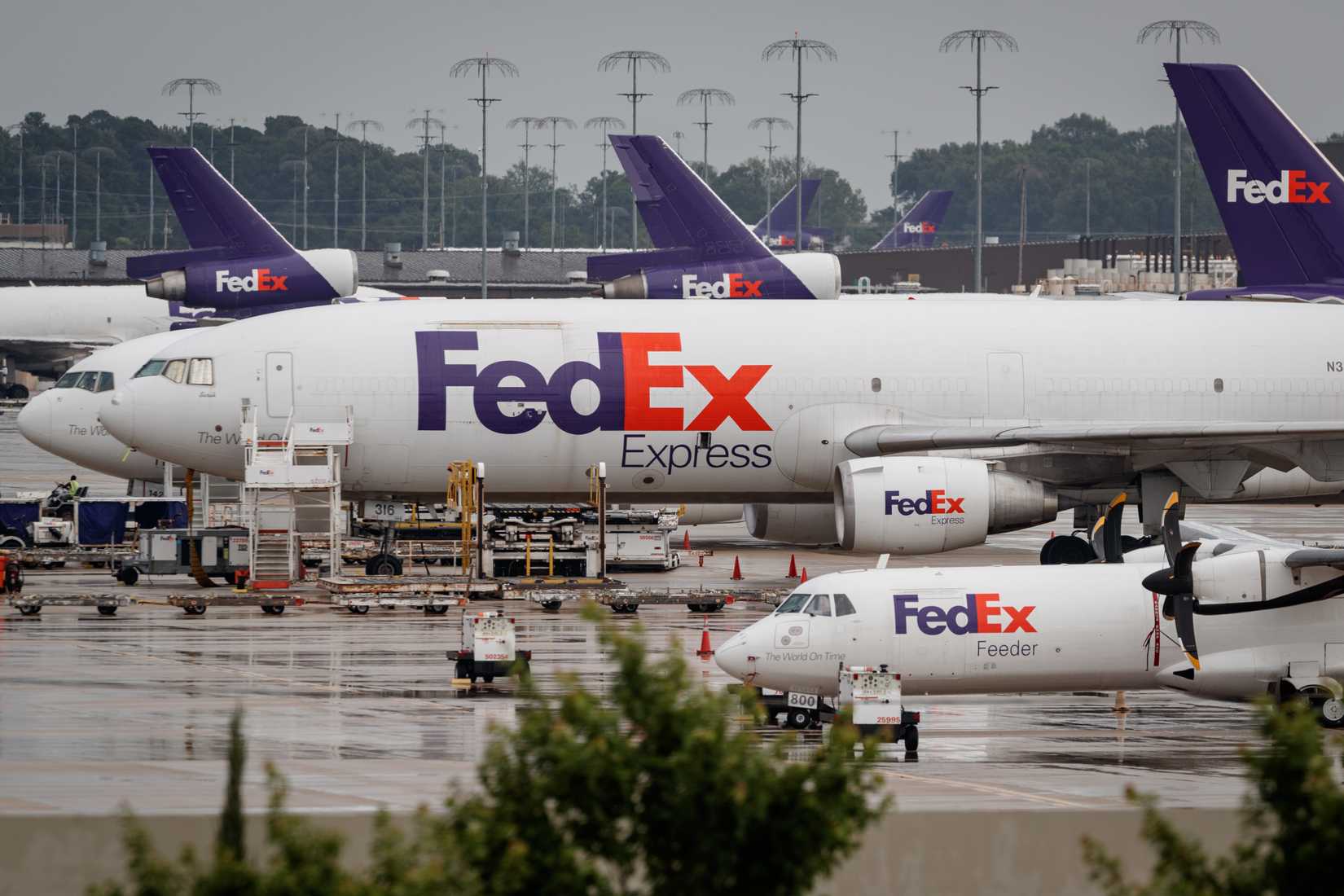
Ted Stevens Anchorage International Airport presents an entirely different model, with its 3.7 million metric tons in 2025 reflecting a strategic transit role rather than any local freight generation. ANC functions as a natural waypoint on transpacific great circle routes, allowing freighter operators — particularly UPS Airlines and FedEx Express — to conduct crew changes, refueling, and cargo transfers at an intermediate point before continuing to destinations including Seoul Incheon and Singapore Changi. For crews and dispatchers, Anchorage's value proposition is operational: around-the-clock access, relatively uncongested airspace and ramp environment, and infrastructure scaled for widebody freighter operations including the 747-8F and 777F class aircraft that dominate transpacific cargo flows. Geopolitical factors have only amplified Anchorage's importance in recent years, as airspace restrictions and shifting trade lane geometries have pushed carriers to optimize routing through compliant transit points, and ANC sits in a uniquely favorable position for those calculations. Memphis International, third globally at approximately 3.75 million metric tons, reinforces the pattern: major integrators anchor enormous cargo volumes at strategically selected bases, and the surrounding passenger infrastructure becomes secondary to the freight mission.
For professional pilots and aviation operators, the broader significance of these rankings extends beyond the airports themselves. The concentration of freight volume at a small number of nodes creates predictable but intense operational environments — high-density overnight banks, complex ramp sequencing, and weather-sensitive operations at locations like Anchorage that carry real dispatch and alternate planning implications. The 15%-plus growth rate at Louisville also signals continued expansion of express freight capacity, which historically drives freighter fleet additions and crew hiring across the Part 121 cargo carriers. For business aviation operators, the expansion of integrated cargo hubs influences FBO and fuel availability patterns at secondary airports that serve as overflow and divert options when primary cargo nodes are saturated. The sustained growth in global cargo volumes to 130 million metric tons likewise reflects the degree to which air freight has become structurally embedded in pharmaceutical cold chains, semiconductor supply networks, and consumer fulfillment cycles — demand categories that proved largely recession-resistant through the post-pandemic period and continue to absorb new capacity.
The competitive dynamics among the world's top cargo airports also reflect broader trends in how airlines and logistics companies are redesigning networks in response to geopolitical uncertainty and trade flow diversification. Anchorage's continued strength despite being a remote Alaskan city demonstrates that geographic position in relation to great circle routes can outweigh virtually all other factors in cargo network planning. The combined dominance of UPS Airlines and FedEx Express across multiple top-five hubs illustrates how integrated express carriers have effectively built parallel aviation infrastructures to the mainline passenger system, complete with their own crew bases, maintenance facilities, and dispatch operations. As e-commerce volumes continue expanding and pharmaceutical cold-chain requirements grow more demanding, the airports positioned as cargo supercenters will likely see further investment in automation, ramp capacity, and specialized handling infrastructure — reinforcing the gap between the world's elite freight gateways and the broader airport network.










 Read original article