United Launches Its 1st Transatlantic Starlink Flight Today Onboard One Of Its Oldest Jets
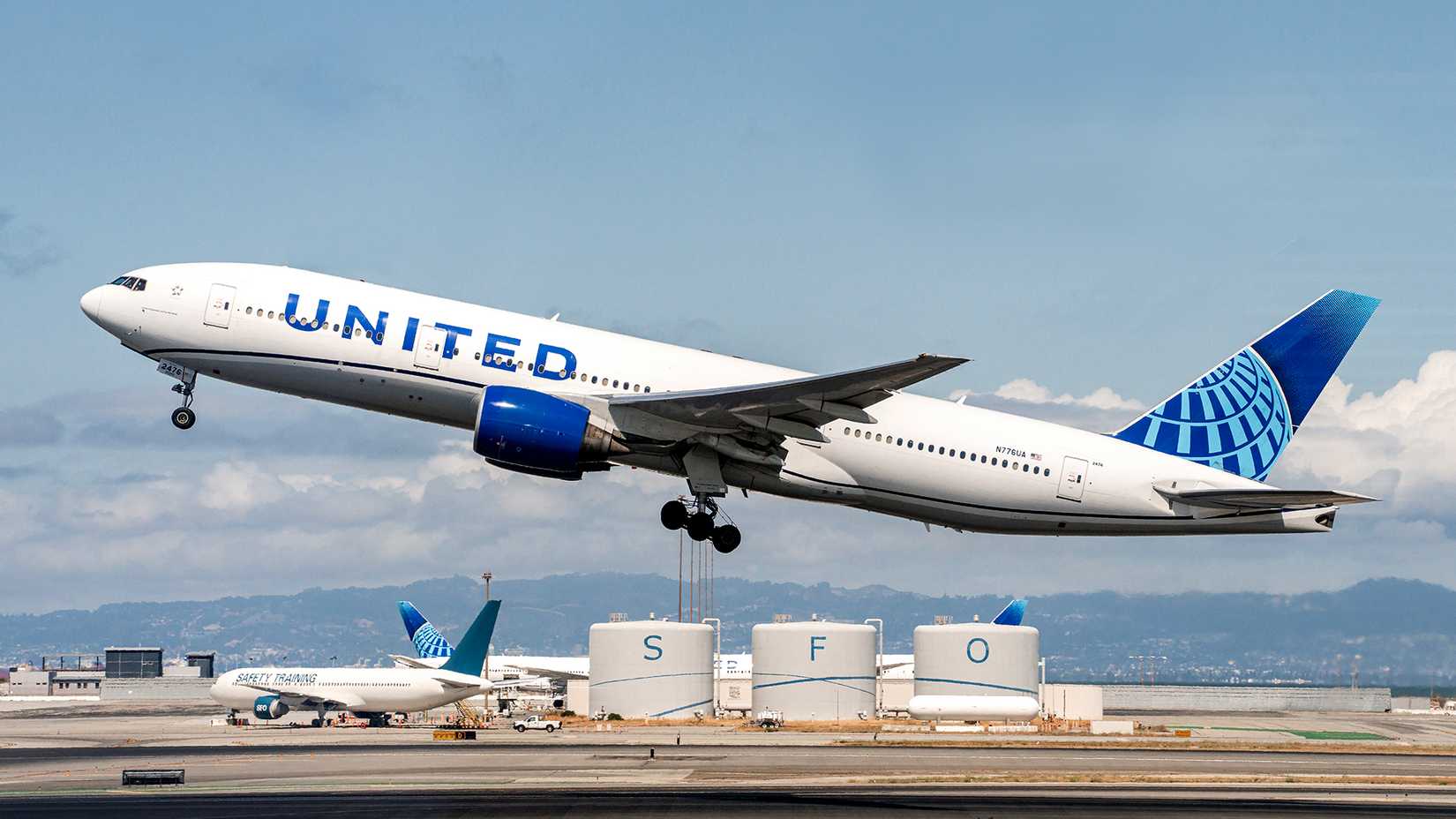
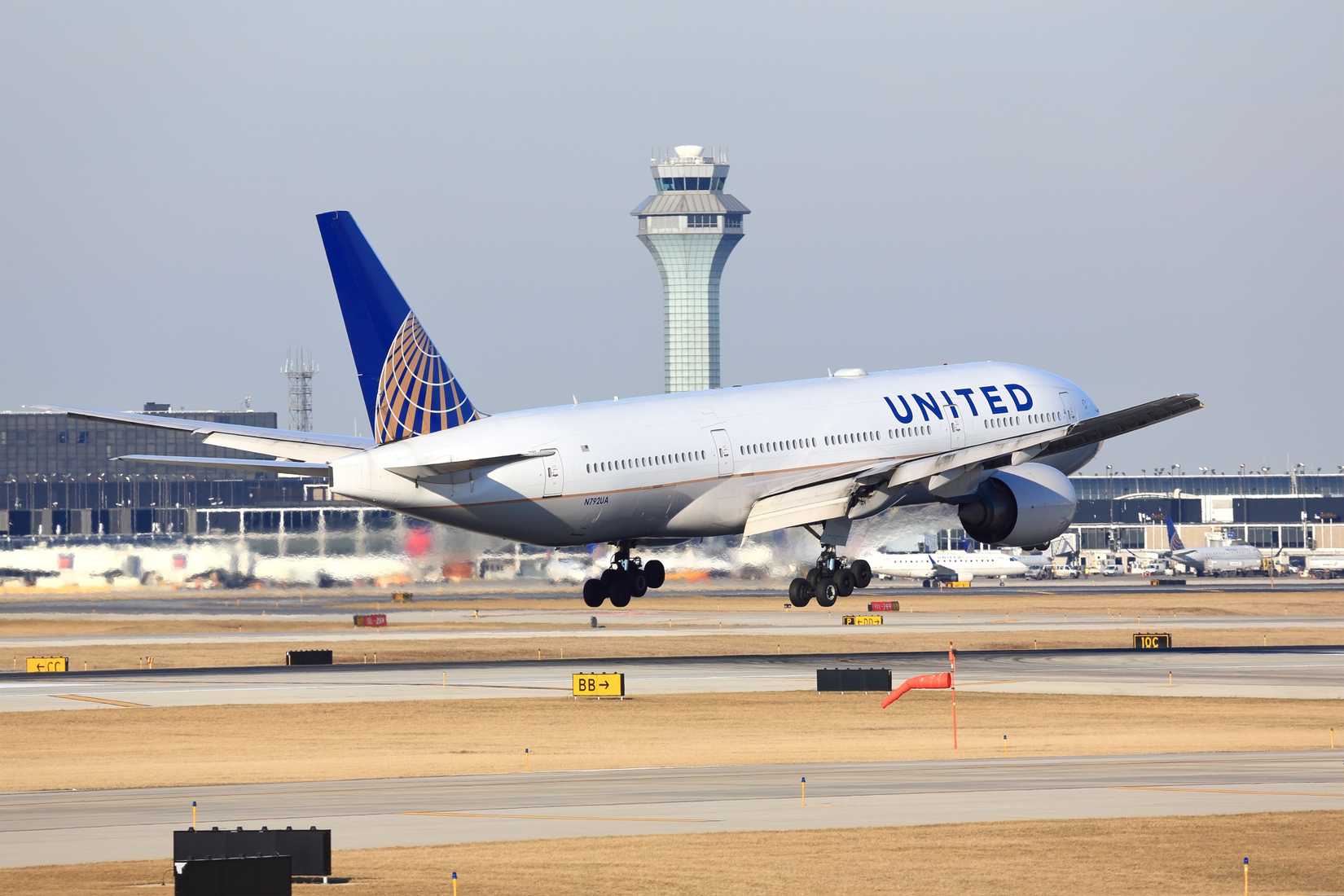
United Airlines inaugurated Starlink satellite internet service on its first transatlantic widebody flight on June 23, 2026, operating as UA14 aboard N37018, a 24-year-old Boeing 777-200 originally delivered to Continental Airlines in April 2002. The milestone marks a significant expansion of the carrier's Starlink deployment, which had previously been limited to approximately 400 narrowbody and regional aircraft since the service's introduction in spring 2025. The inaugural transatlantic Starlink flight operates between Newark Liberty International Airport and London Heathrow, and United has committed to equipping 60 widebody aircraft with the system in 2026, targeting full widebody fleet coverage ahead of the 2027 Northern Hemisphere summer season. Since Starlink's initial rollout, United reports that 18.6 million passengers have connected across 311,000 flights, with nearly ten million devices powered through the system.
The significance of this deployment for professional crews and aviation operators extends well beyond passenger entertainment metrics. Starlink operates on a low-earth orbit constellation, which enables genuine broadband-grade throughput across oceanic tracks, polar routes, and other remote airspace where legacy geostationary satellite systems have historically delivered degraded or unreliable service. For pilots operating transoceanic and transpolar routes — environments where HF radio and SELCAL remain standard backup communication tools precisely because of connectivity gaps — the normalization of LEO-based inflight internet aboard commercial widebodies signals a meaningful shift in what passengers will expect as a baseline on long-haul operations. United's Chief Customer Officer explicitly cited connectivity for both customers and employees, suggesting the carrier anticipates crew-side benefits as well, a factor increasingly relevant to pilot welfare discussions during long-haul operations.
From an airline competitive standpoint, United's widebody Starlink rollout places additional pressure on Delta and American to accelerate their own high-speed inflight connectivity programs across international routes. United already holds the largest transatlantic and transpacific operation among the U.S. Big Three, and coupling that network scale with free, MileagePlus-integrated Starlink access across long-haul cabins creates a tangible product differentiator on routes where premium cabin passengers increasingly treat connectivity as non-negotiable. The choice of N37018 — a 24-year-old frame carrying 276 seats across three cabins — is operationally notable in its own right, demonstrating that Starlink retrofits are viable across aging widebody airframes without requiring new-generation aircraft, which has direct implications for fleet planning at both major carriers and Part 135 charter operators evaluating connectivity upgrades on older business jets.
The broader trend this development reflects is the accelerating maturation of LEO satellite aviation connectivity as a commercial standard rather than a premium option. SpaceX's Starlink Aviation product has moved from novelty to meaningful scale in a compressed timeline, and United's deployment statistics — 311,000 Starlink-equipped flights in roughly a year — represent operational validation at a level that will influence procurement decisions across the industry. For business aviation operators, including Part 91 and 91K flight departments and Part 135 charter operators, the passenger expectation established on United's transatlantic routes will filter directly into client demand. Operators who have deferred inflight connectivity investments citing cost or complexity now face a market environment where their widebody airline counterparts are delivering free broadband over the North Atlantic, and high-net-worth passengers accustomed to that standard on commercial flights will bring those expectations into the cabin of any charter or corporate aircraft they subsequently board.







 Read original article