The Real Reasons Nations Are Moving Away From Russian Fighter Jets
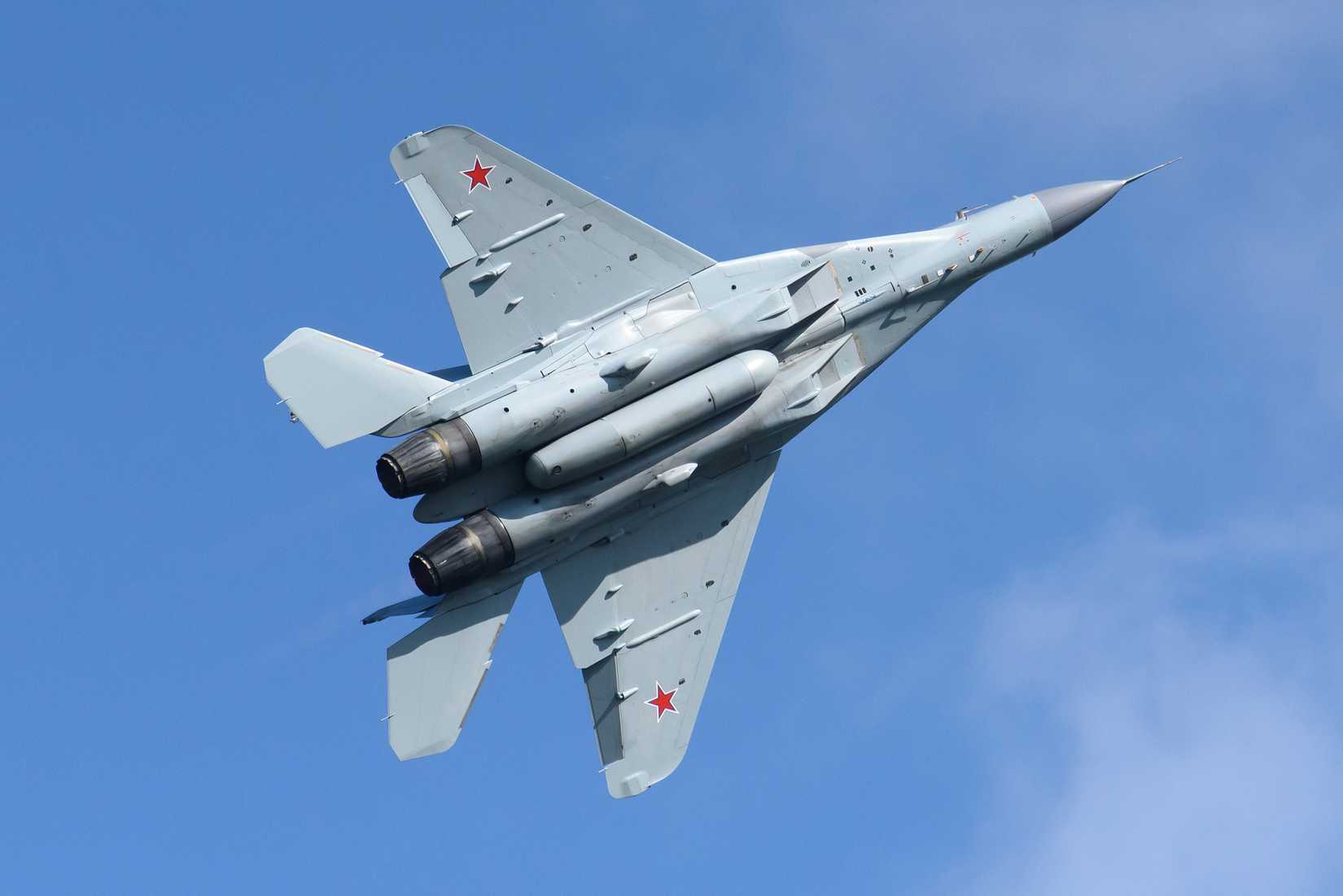
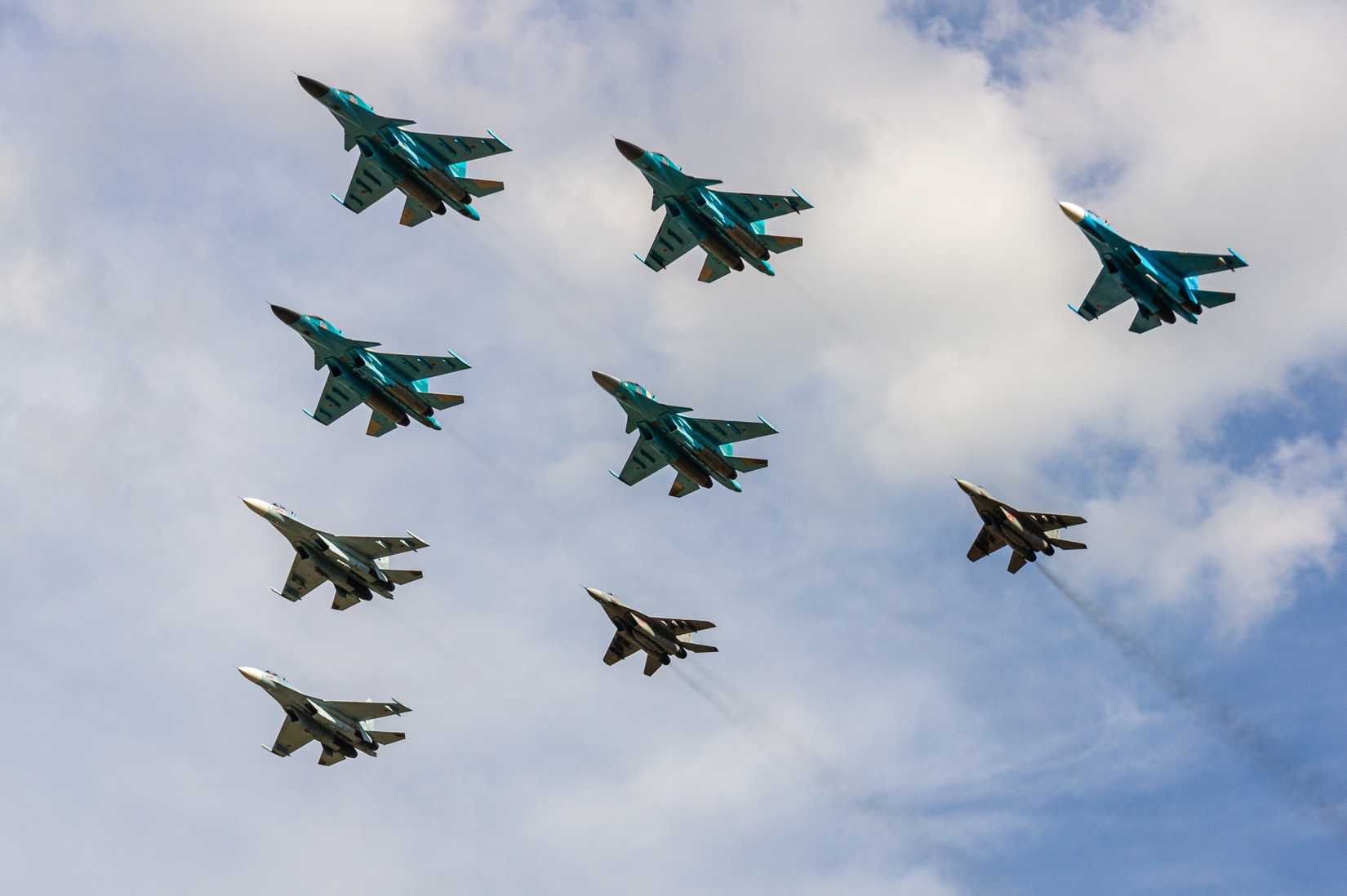
The global phase-out of Russian and Soviet-era fighter jets has been accelerating across multiple geopolitical fault lines since 1991, driven by the compounding forces of sanctions legislation, invasion-triggered Western penalties, and the practical collapse of Russia's ability to support legacy fleets in service. What began as a slow unwinding after the Soviet collapse—when state-subsidized arms deals to allies like Cuba and North Korea simply ended—has evolved into a structured, sanctions-enforced realignment of military aviation procurement worldwide. The United States' 2017 Countering America's Adversaries Through Sanctions Act, known as CAATSA, formalized what was already becoming a market reality: purchasing Russian frontline aircraft increasingly carries secondary economic consequences severe enough to outweigh any tactical or financial advantage. Indonesia, Egypt, and the Philippines all cancelled Russian fixed-wing and rotary-wing contracts between 2018 and 2019 specifically in response to CAATSA exposure, and the pattern has not reversed.
The maintenance and sustainment dimension of this shift deserves particular attention from aviation operators and procurement professionals. Russia's invasion of Ukraine in 2022 and the subsequent sanctions rounds have not only made new purchases politically and financially untenable for most countries but have also choked the supply chains needed to keep existing Russian-origin fleets airworthy. The Bangladesh Mi-171A2 situation illustrates this precisely: a signed contract and paid deposit produced helicopters physically stuck in Russia, unusable without triggering US sanctions, yet abandonment forfeits the deposit entirely. Colombia faces a comparable dilemma maintaining its Russian-built rotary-wing fleet. For any operator or defense ministry running Russian-origin platforms, the sanctions environment has effectively created an unavoidable airworthiness degradation timeline, accelerating the point at which those aircraft must be retired regardless of their mechanical condition or nominal service life remaining.
The realignment of purchasing toward Western manufacturers—primarily Lockheed Martin's F-16 and F-35, Dassault's Rafale, and Saab's Gripen—reflects a broader structural shift in how defense aviation procurement is being used as a geopolitical signal. Poland, Slovakia, Bulgaria, Romania, and Croatia are all replacing Soviet-era fleets with NATO-standard Western jets on confirmed timelines between 2023 and 2027. Serbia, historically one of the more Russia-aligned European states, is acquiring Rafales ahead of a 2030 phase-out of its MiG-29s. Even India, which received a CAATSA exemption for its S-400 acquisition and still produces licensed Su-30MKI variants domestically, is structurally pivoting toward French Rafales and its indigenous Tejas program for future fleet growth. These procurement decisions carry 30-to-40-year sustainment tails, meaning the manufacturers, maintenance ecosystems, and supply chains being selected today will define military aviation infrastructure into the 2060s.
For professionals in commercial and business aviation, the relevance of this military procurement realignment extends beyond geopolitics into practical airspace, infrastructure, and operator risk considerations. Nations transitioning their air defense infrastructure from Russian to Western platforms simultaneously standardize their radar, communications, and airspace management systems toward NATO architectures, which has cascading effects on IFR operations, diplomatic overflight agreements, and the security environment surrounding international routes. The deterioration of Russian aviation industry capacity—visible in the grounding of sanctioned Airbus and Boeing narrowbodies within Russia's domestic fleet—is a parallel phenomenon to the defense export collapse, both flowing from the same sanctions architecture. Operators conducting international flights across Eastern Europe, Central Asia, South Asia, and Southeast Asia should monitor how rapidly individual states complete these platform transitions, as the associated security environment and airspace sovereignty dynamics shift materially during transitional periods when legacy air defense systems are being decommissioned before replacement capabilities are fully operational.





 Read original article