Why Boeing's 777X Has Finished Flight Testing But Still Can't Enter Service Until 2027
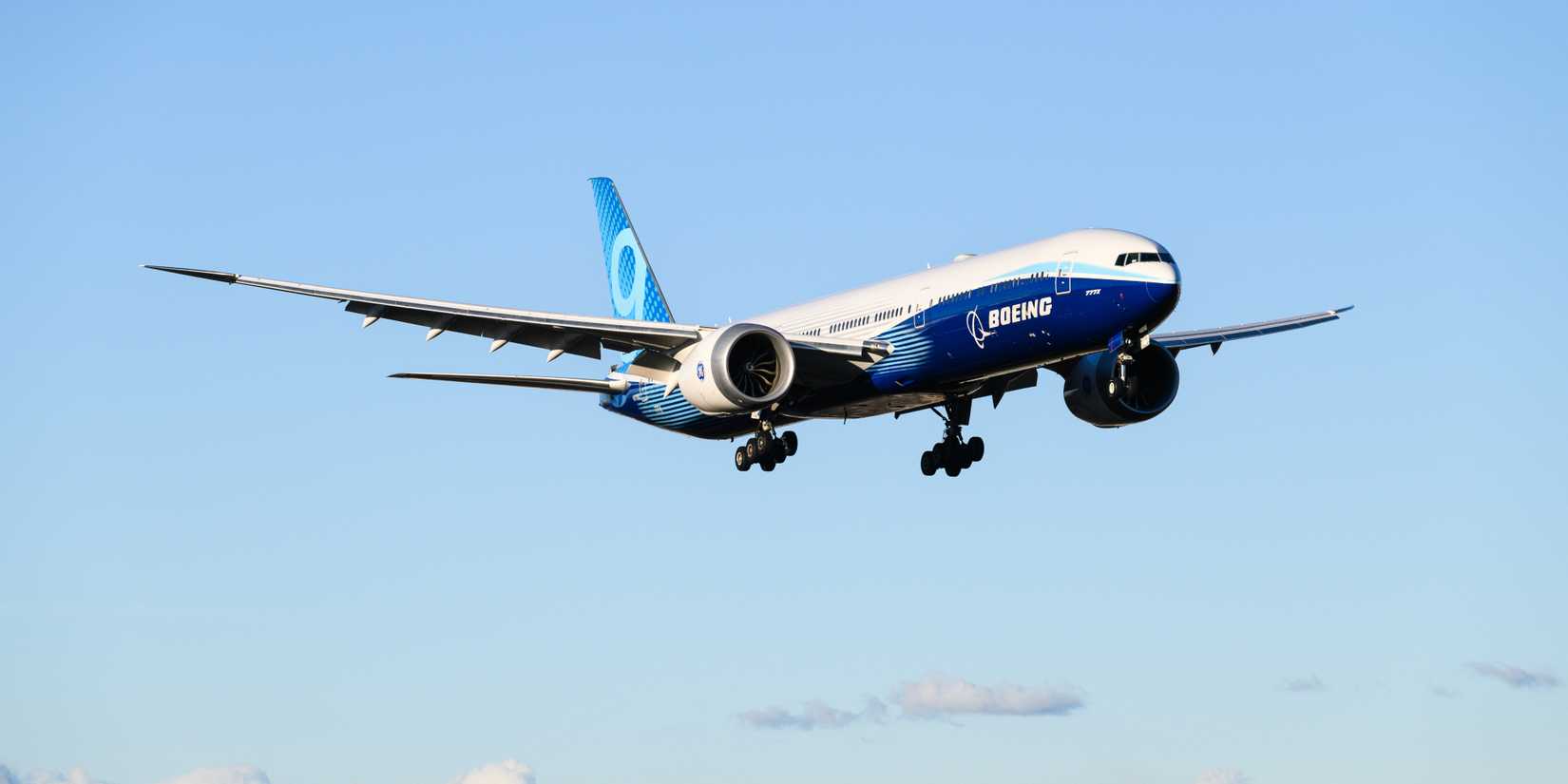
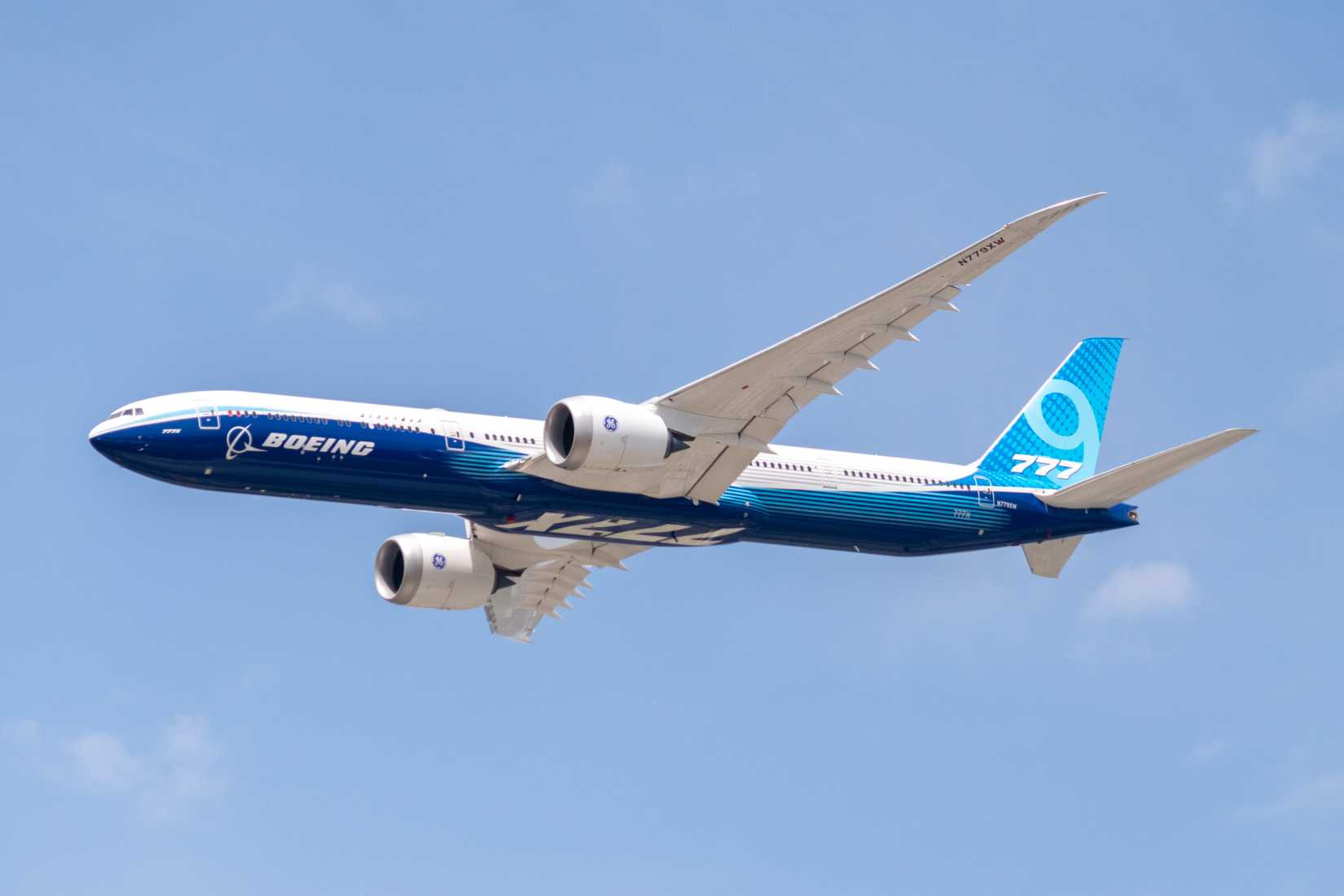
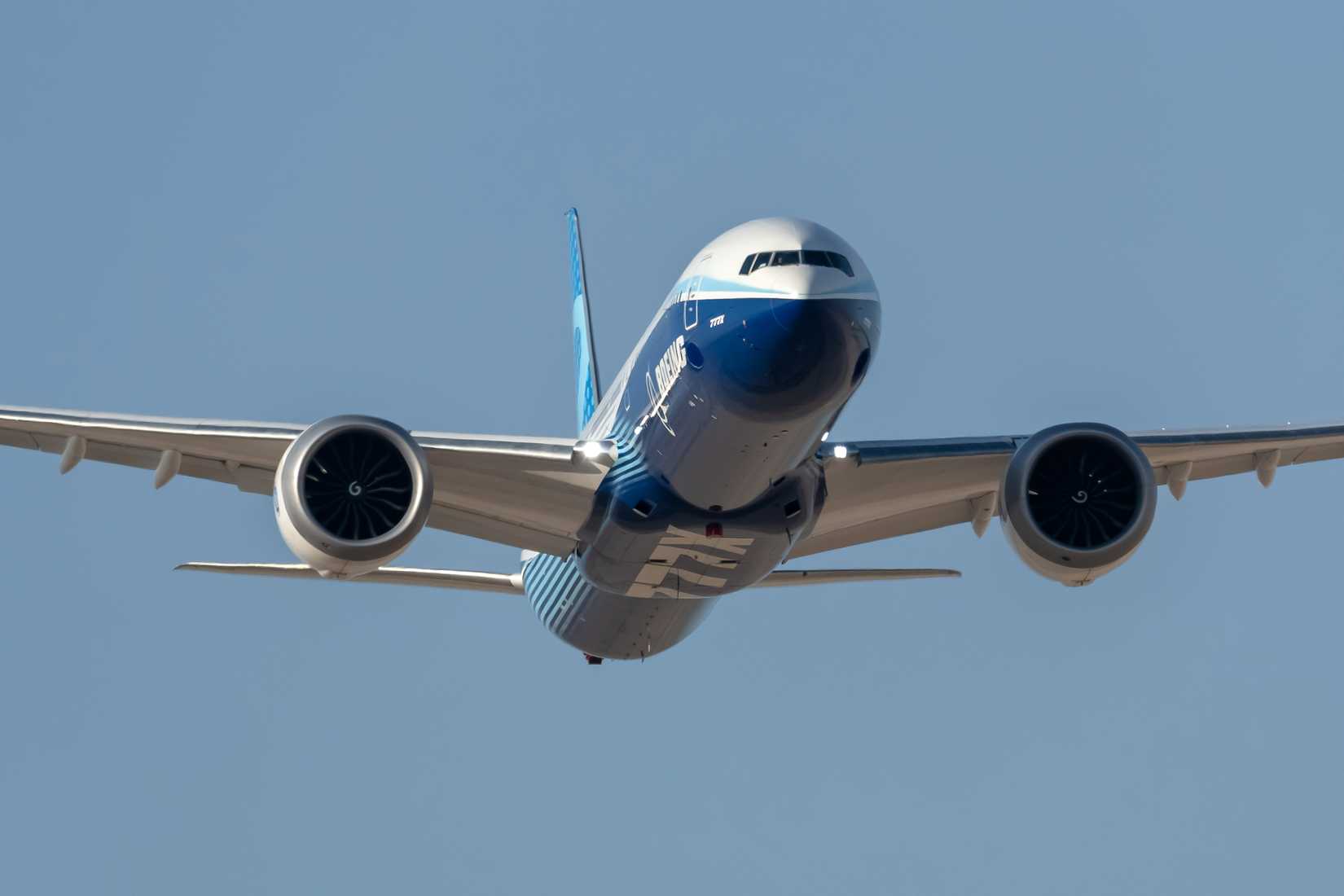
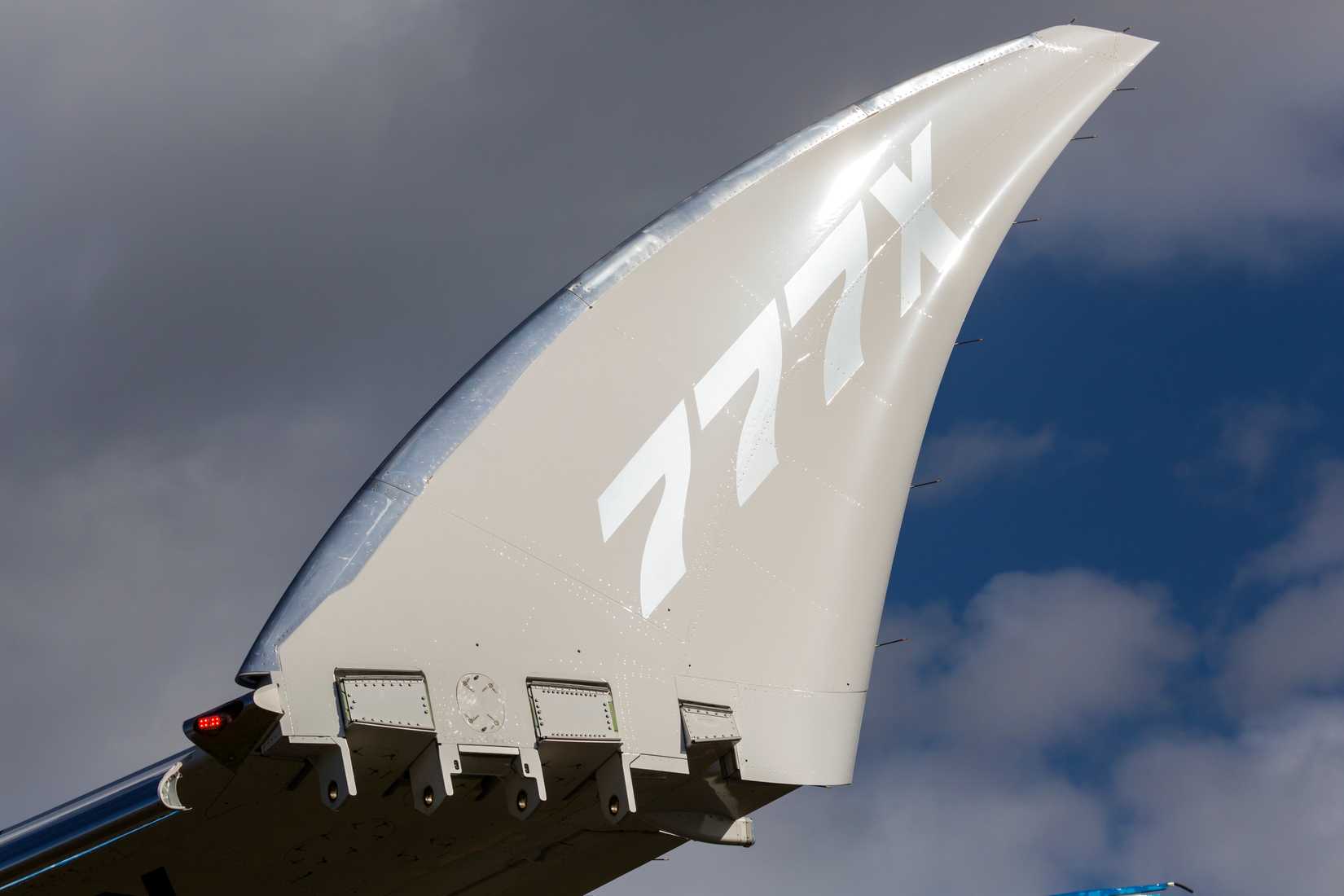
Boeing's 777X program has reached a technically significant milestone — the conclusion of its primary flight test campaign by end of 2026 — yet the aircraft remains grounded from commercial service by one of aviation's most demanding regulatory requirements: Extended-range Twin-engine Operational Performance Standards (ETOPS). Boeing CEO Kelly Ortberg confirmed that while the bulk of flight testing will wrap up in 2026, ETOPS testing will extend into 2027 and represents the true critical path to certification. FAA Administrator Bryan Bedford reinforced the timeline by indicating the agency plans to certify the 737 MAX 7 first, followed by the MAX 10, with the 777X queued behind both programs. This sequencing, combined with the inherent complexity of ETOPS evaluation, places the 777-9's service entry firmly in 2027 — more than seven years behind the aircraft's original 2020 entry-into-service target.
ETOPS is not a procedural formality but a comprehensive assessment of an aircraft's suitability to operate in environments where a single engine failure could leave a crew hours from the nearest suitable airport. Regulators must evaluate the reliability of engines, redundant systems, maintenance programs, crew training, and demonstrated operational data before approving specific ETOPS intervals — typically 180 minutes or beyond for a long-range widebody like the 777-9. The 777-9 was designed explicitly for ultra-long-haul routes across the Pacific, Indian Ocean, and polar corridors, meaning an aircraft delivered without ETOPS approval would be operationally crippled, unable to fly the missions airlines contracted for. A 777-9 restricted to routes within standard twin-engine range limits offers essentially none of its designed commercial utility, which is why Ortberg characterized ETOPS as the final major gate rather than an administrative afterthought.
The FAA's certification queue adds a structural constraint beyond purely technical factors. Following the 737 MAX accidents and the organizational reforms that followed, the agency significantly curtailed its delegation of airworthiness functions to Boeing's own designees and increased direct regulatory involvement across all active Boeing programs. Because Boeing operates a shared flight test organization across programs, personnel and resources are not infinitely parallelizable — teams completing the MAX 7 and MAX 10 campaigns cannot be simultaneously dedicated to advancing 777X ETOPS testing at full pace. For pilots and operators, this reflects a regulatory environment that has fundamentally shifted since the pre-MAX era, one in which timeline predictability is subordinated to process rigor and direct oversight.
For airline operators with 777X orders — a list that includes Emirates, Lufthansa, Singapore Airlines, and Qatar Airways, among others — the delay carries measurable fleet planning consequences. Aircraft that were expected to replace aging 777-300ERs and 747-400s have forced carriers to extend leases, defer retirement decisions, and in some cases seek bridge capacity through secondary markets. For pilots currently operating the 777-300ER or similar long-haul widebodies, the 777X delay effectively extends the operational life of legacy equipment and prolongs transition training timelines. Type rating pipelines, simulator availability, and recurrent training programs tied to 777X introductions at major carriers will need continued recalibration as the 2027 certification target firms up.
The broader pattern here has implications well beyond a single aircraft program. The post-MAX regulatory environment has established a new baseline for how the FAA approaches complex aircraft certification, particularly for novel or significantly modified platforms. The 777X, despite being a derivative of an extremely well-proven airframe, is encountering the same elevated scrutiny applied across Boeing's portfolio. For aviation professionals tracking regulatory trends, this underscores that certification timelines for advanced aircraft — whether large commercial transports or emerging urban air mobility platforms — will increasingly be governed not just by technical readiness but by regulator capacity, institutional trust deficits, and the sequencing demands of parallel programs. The 777X delay is less a story of one aircraft falling short than a systemic illustration of how deeply the industry's regulatory relationship with Boeing has been restructured.














 Read original article