American Airlines Keeps Retrofitting More Premium Seats On Its Oldest A319s & A320s, But Is It Really An “Upgrade”?
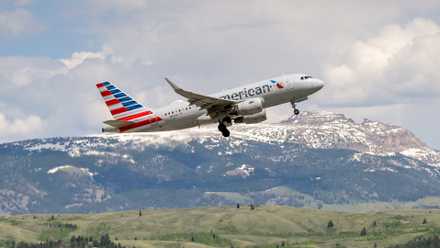
American Airlines is moving forward with a cabin retrofit program across its entire narrowbody Airbus A319 and A320 fleet, encompassing 132 A319s and 48 A320s for a combined total of 180 aircraft. The refresh adds First Class seats with privacy wings, enlarged overhead bins, updated trim and mood lighting, universal power at every seat, and USB-C connectivity, while positioning the aircraft visually closer to American's newer 787-9 and A321XLR deliveries. On the A319, the cabin grows from 128 to 132 total seats by adding four First Class positions without reducing Main Cabin count, achieved in part through a compressed rear galley and lavatory arrangement. The A320 retrofit holds total seat count steady at 150 but reshuffles the mix significantly, adding four First Class and 15 Main Cabin Extra seats while pulling 19 seats from the standard Main Cabin. Starlink high-speed Wi-Fi connectivity for AAdvantage members is planned for both aircraft types beginning in 2027.
The operational implications of this program extend well beyond the passenger experience marketing narrative. The compressed rear galley and lavatory configuration on retrofitted A319s directly constrains flight attendant working space and eliminates dedicated crew seating positions in the aft section, a change that carries regulatory and fatigue-management dimensions on longer stage lengths. For pilots operating these aircraft under Part 121 certificates, the cabin reconfiguration also triggers updated weight-and-balance data, revised emergency evacuation modeling, and potentially altered minimum equipment list considerations as the aircraft accumulate new interior components. The net seat count increase on the A319 — however modest at four seats — changes the aircraft's certification basis for evacuation timing, and any changes to lavatory and galley structural mounting points require supplemental type certificate coordination with Airbus. These are not cosmetic considerations; they represent tangible documentation and dispatch compliance items that flight operations departments will need to track across a fleet of 132 aircraft.
The age profile of the aircraft being retrofitted adds a layer of complexity that operators and Part 91K or 135 charter analysts should not overlook. The A320 sub-fleet averages 25.2 years, with the oldest examples approaching 28.5 years — placing them well into the phase of their service lives where structural aging program compliance, corrosion inspections, and supplemental structural inspections under Airbus's Ageing Aircraft Support programs become routine and increasingly expensive line items. Investing cabin retrofit dollars into airframes of this vintage is a calculated bet that the aircraft remain economically viable through at least the mid-2030s, which American's fleet planning implicitly asserts but has not publicly quantified. For operators evaluating used narrowbody transactions or wet-lease arrangements involving these aircraft types, the retrofit status of a given tail will increasingly affect both market value and the depth of required pre-purchase inspection scope.
The removal of seatback entertainment systems from aircraft that originally launched with them — a category that includes the post-2013 legacy American A319 deliveries — reflects a broader industry calculation that is now well established across most US major carriers. Delta, United, and Southwest have all moved selectively toward personal device entertainment on portions of their narrowbody fleets, and the shift reduces both installation weight and the considerable maintenance burden associated with in-seat IFE systems. In the context of this retrofit, the trade is explicit: American is accepting the passenger-relations criticism of removing a previously marketed feature in exchange for Starlink connectivity that, once operational, delivers substantially higher bandwidth than any legacy embedded IFE system could stream. For corporate flight departments benchmarking their own cabin standards against mainline products, or for Part 135 operators competing on the same city-pair routes as American's refreshed narrowbodies, the Starlink timeline of 2027 is the meaningful competitive datapoint — not the new seat shrouds or the mood lighting.
The program's schedule slippage is also worth noting for any operator or MRO network tracking American's maintenance throughput. American had publicly linked this retrofit to a goal of growing premium seating by more than 20% by 2026, but the first prototype aircraft, N9002U, only entered revenue service in early 2026, with broader fleet entry described as beginning "this summer." Retrofitting 180 narrowbodies through what is likely a combination of line maintenance and heavier check input at MRO facilities represents a substantial slot demand across American's maintenance network, and delays of this kind typically compound as early-production aircraft reveal unexpected structural conditions or interior fit challenges that require engineering dispositions before the work package can be standardized. For the broader industry, American's program is the latest confirmation that premium cabin densification — rather than full cabin redesign — has become the dominant strategy for US carriers seeking to capture higher-margin revenue from mature, depreciated narrowbody assets without committing to accelerated replacement cycles.








 Read original article