Metro New York Bizav Hub Tapped For ATC Upgrades
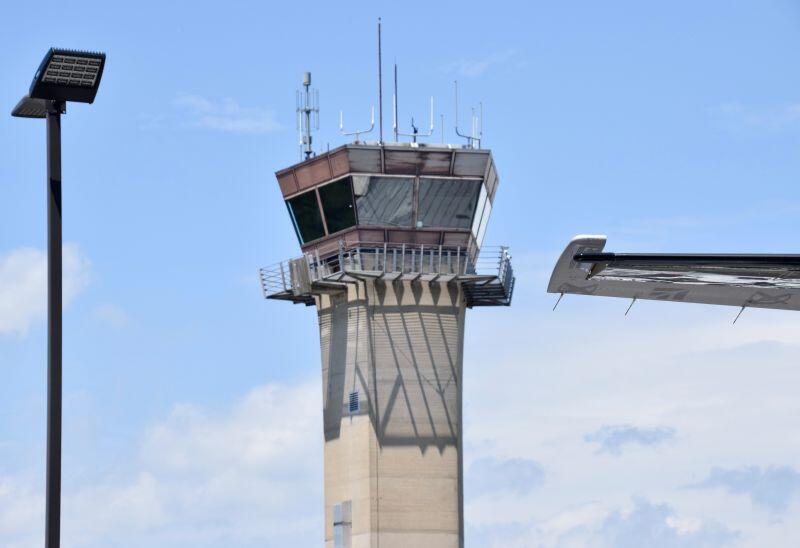
Westchester County Airport (HPN) is slated to receive $18 million in federally funded air traffic control infrastructure upgrades over the next two and a half years, as announced by U.S. Transportation Secretary Sean Duffy on June 22. The investment will replace aging voice switches, radars, and controller displays; transition the tower from paper to electronic flight strips; and install a tower simulation system for controller training. A Surface Awareness Initiative runway incursion detection system has already been commissioned at the field. The funding flows from the $12.5 billion ATC modernization allocation embedded in the 2025 One Big Beautiful Bill Act, which represents the largest single federal commitment to air traffic control infrastructure in decades.
For the operators and pilots who rely on HPN daily, the practical implications are significant. The airport handles approximately 175,000 operations annually, with 85 percent attributable to corporate and general aviation—making it one of the densest business aviation environments in the northeastern United States. Tenants include NetJets and Flexjet fractional terminals, major FBOs from all three dominant chains (Signature, Atlantic, and Million Air), and dedicated corporate hangars for IBM, JPMorgan Chase, and PepsiCo. HPN operates in one of the most complex and congested airspace structures in the world, wedged between New York TRACON's overlapping Class B and C sectors. Outdated radar and display equipment in that environment carries real operational risk, particularly during high-density departure and arrival sequences. The move to electronic flight strips removes a well-documented manual data-entry bottleneck that can delay clearance coordination and introduce transcription errors, especially during peak traffic.
The Surface Awareness Initiative system already installed represents an important near-term safety gain. HPN's single-runway configuration with intersecting taxiways creates conflict scenarios that have challenged controllers and crews alike. SAI provides real-time ground movement data to tower controllers, directly addressing runway incursion risk—a category that the FAA has flagged as a top safety priority following several high-profile close-call incidents at major airports in 2023. The tower simulation system adds a training capability that allows controllers to rehearse rare or complex scenarios without exposure to live traffic, a gap that has historically existed at smaller facilities compared to large TRACON and ARTCC training centers.
The upgrades at HPN fit into a broader federal push to modernize the ATC infrastructure that has, in many facilities, relied on hardware and software architectures dating to the 1970s and 1980s. The $12.5 billion authorization represents a political consolidation of years of piecemeal NextGen spending into a single legislative vehicle, and the selection of HPN as an early recipient signals that high-traffic business aviation hubs are being prioritized alongside commercial airline-dominant airports. For corporate flight departments and charter operators based at or frequently routing through HPN, the transition timeline of two and a half years suggests disruption should be managed, but crews and dispatchers should anticipate periodic NOTAM activity associated with equipment cutover windows, particularly for radar and display system transitions that typically require brief facility testing periods. The NBAA White Plains Regional Forum, held annually at HPN, will likely provide a platform for continued operator feedback on how the upgrades are being implemented and any associated procedure changes.









 Read original article