5 Largest Royal Air Force Bases By Number Of Fighter Jets In 2026
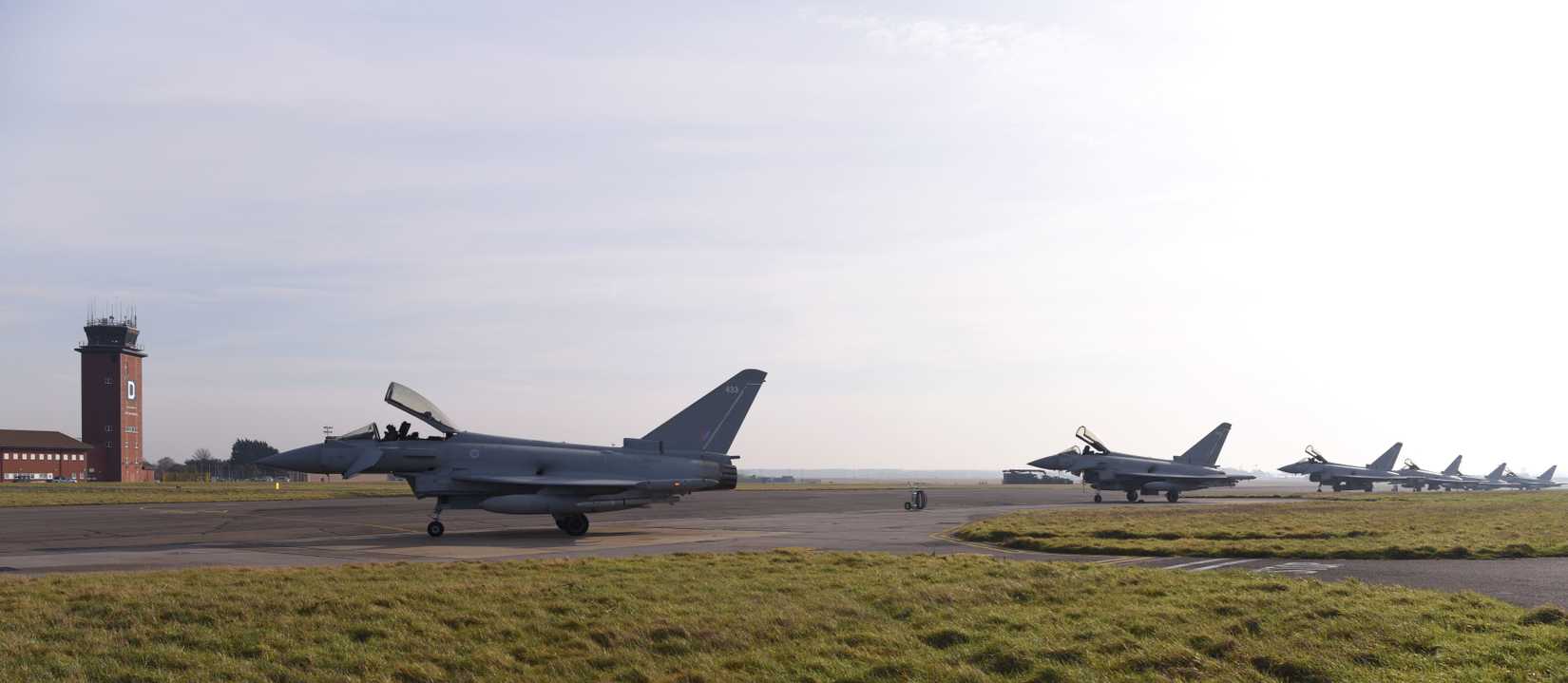
Royal Air Force basing strategy in 2026 reflects a force simultaneously managing legacy commitments, active combat operations, and a generational transition to fifth-generation stealth fighters. The RAF's fighter inventory is concentrated around two airframes: the Eurofighter Typhoon FGR4, which anchors the interceptor and strike role, and the Lockheed Martin F-35B Lightning II, operated jointly by the RAF and Royal Navy from RAF Marham in Norfolk. Marham has emerged as the unambiguous center of gravity for British stealth aviation, housing 617 Squadron, 809 Naval Air Squadron, and the F-35 training unit (207 Squadron), with a standing inventory of 20–30 aircraft subject to fluctuation from production deliveries and overseas deployments. A seven-aircraft tranche was delivered earlier in 2026, and all 12 incoming F-35A variants — a new addition to the RAF inventory acquired specifically for NATO nuclear-sharing duties — will also be based at Marham, making the £250 million Project Anvil infrastructure investment a long-term strategic anchor for UK air power.
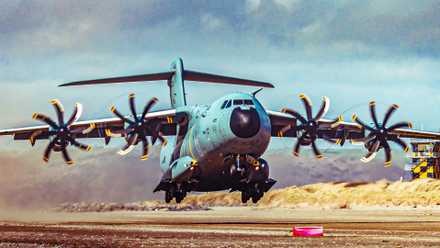
The RAF's overseas permanent basing structure illustrates the operational demands placed on a globally postured force with a relatively modest total fleet size. RAF Akrotiri in Cyprus functions as the UK's strategic hub for Middle East operations, with a standing Typhoon detachment under 903 Expeditionary Air Wing focused on Operation Shader over Iraq and Syria. The article notes that in February 2026, F-35Bs were forward-deployed from Marham to Akrotiri in a defensive posture in response to rising US-Iran tensions — a tactical decision that underscores how quickly the operational tempo at permanent joint bases can escalate and how thin the margin becomes between peacetime detachment strength and wartime surge requirements. At the other geographic extreme, RAF Mount Pleasant in the Falkland Islands sustains a four-aircraft Typhoon detachment under 1435 Flight, supported by a Voyager tanker and an A400M Atlas, maintaining continuous deterrence posture in the South Atlantic more than four decades after the 1982 conflict.
For professional pilots and aviation operators, particularly those conducting transatlantic or European operations, the evolving RAF basing footprint has direct airspace and operational planning implications. The concentration of F-35 activity at Marham, combined with active fighter operations at Lossiemouth in Scotland and ongoing combat tasking out of Akrotiri, contributes to a persistent pattern of military airspace reservations, low-level routes, and temporary restricted areas across UK and Eastern Mediterranean airspace. Operators filing through the London FIR, Nicosia FIR, or Scottish oceanic transition areas should anticipate periodic NOTAM activity associated with fighter training, tanker tracks, and deployment movements. The Voyager KC2/3 tanker force, based at both Marham and detached to Akrotiri, also operates extensively in airspace shared with commercial traffic on UK-to-Cyprus and UK-to-Middle East routing.
The broader trajectory of RAF modernization — specifically the phased introduction of the F-35A alongside the existing F-35B fleet — reflects a trend common across NATO air arms of managing dual-variant fleets with differing basing, maintenance, and operational requirements. The F-35A's conventional takeoff and landing profile, as opposed to the B's short takeoff/vertical landing capability, will require different runway and infrastructure standards than those currently supporting carrier-compatible B-model operations at Marham. This dual-fleet complexity, combined with the nuclear certification requirements for F-35A under NATO's nuclear-sharing arrangements, places significant administrative and logistics demands on a base already operating at high tempo. For corporate and charter operators whose transatlantic routes transit UK military airspace corridors, awareness of Marham's expanding role and the corresponding increase in military flight activity remains relevant for preflight planning and contingency routing decisions throughout the mid-2020s.








 Read original article