United Airlines Has Quietly Hired 1 Military Pilot Class Per Week Since 2024: Here's How
United Airlines has hired approximately one military pilot class per week since launching its United Military Pilot Program in 2024, accumulating nearly 600 ex-military aviators and marking the milestone with a ceremonial livery reveal at Washington Dulles International Airport. The program operates as a direct-hire pathway to United's mainline operation — not to a regional affiliate — offering conditional job offers to active duty and active duty reserve pilots who are more than 12 months from their separation date. Each enrolled applicant is paired with a current United pilot as a mentor during the transition period, and the airline provides all necessary training to achieve commercial certification upon class date. United has set a target of 500 additional military hires by the end of 2027, continuing a pace that reflects the airline's broader expansion strategy under its "United Next" initiative.
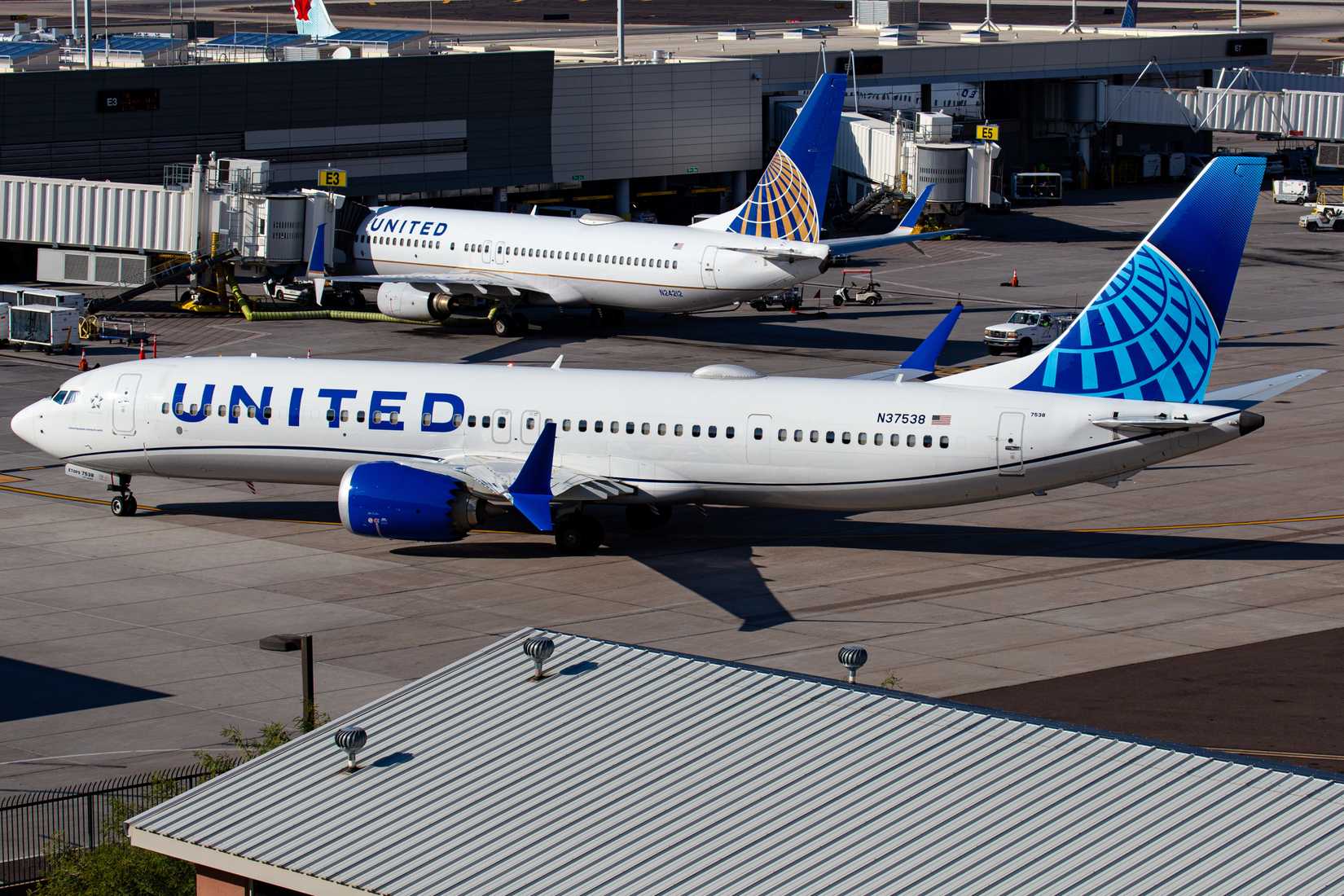
The scale of United's pilot workforce expansion is significant by any measure. The carrier has grown its mainline fleet from fewer than 800 aircraft in 2019 to over 1,100 today, driven primarily by Airbus A321neo and Boeing 737 MAX narrowbody deliveries. To staff that growth, United has hired more than 7,000 pilots since the pandemic and now employs over 18,000, surpassing both Delta Air Lines (approximately 17,500) and American Airlines (over 15,000) to claim the world's largest pilot workforce. More than 4,500 of United's total flight crew members are veterans, underscoring how central military-sourced talent has become to the airline's staffing architecture. The military pipeline is particularly strategic because it allows United to lock in experienced aviators well before their military separation, effectively competing with Delta — whose comparable program accepts applicants up to two years from separation — for the same finite pool of candidates.
For working pilots and aviation operators, the dynamics of this program carry practical relevance well beyond United's corporate ambitions. Military aviators transitioning to civilian careers have historically faced uncertainty about timing, regional stepping-stone requirements, and seniority positioning at major carriers. The United Military Pilot Program eliminates the regional intermediary entirely, offering direct mainline placement and meaningful career stability at the point of separation — a substantive differentiator in a profession that has been episodically volatile, as United's own hiring history illustrates, with pauses spanning 2001–2007 and 2008–2013 followed by the pandemic furlough period. For corporate flight departments operating under Part 91 or 135, this aggressive absorption of military talent by the majors has implications for their own recruiting pipelines, as experienced former military aviators who might otherwise have considered business aviation or charter operations face an increasingly compelling direct path to a legacy carrier.
The broader trend this program reflects is a structural recalibration of pilot sourcing at the major airlines. The acute pilot shortage that defined 2022 and 2023 has moderated enough that United's Aviate civilian pipeline is now functioning primarily as a staffing mechanism for regional partners rather than a direct feeder to the mainline. The military channel, by contrast, continues to serve a different strategic purpose: it delivers candidates who arrive with a decade or more of complex aircraft experience, crew resource management discipline, and instrument proficiency at levels that compress initial training timelines. The article's acknowledgment that not all military skills transfer cleanly — particularly for single-seat fighter backgrounds — reflects a well-understood nuance in hiring, but for cargo, tanker, and multi-crew military aviators, the skill set aligns closely with airliner operations from day one. As all three legacy carriers compete for the same military talent pool through parallel programs, the differentiation will increasingly come down to the specificity of the conditional offer, the quality of the transition support structure, and the long-term seniority implications of class date timing — details that military pilots evaluating their options are now scrutinizing with considerable sophistication.











 Read original article