The Bombardier Global 8000 Just Flew Dubai To Los Angeles Nonstop – Route The Gulfstream G700 Can't Match
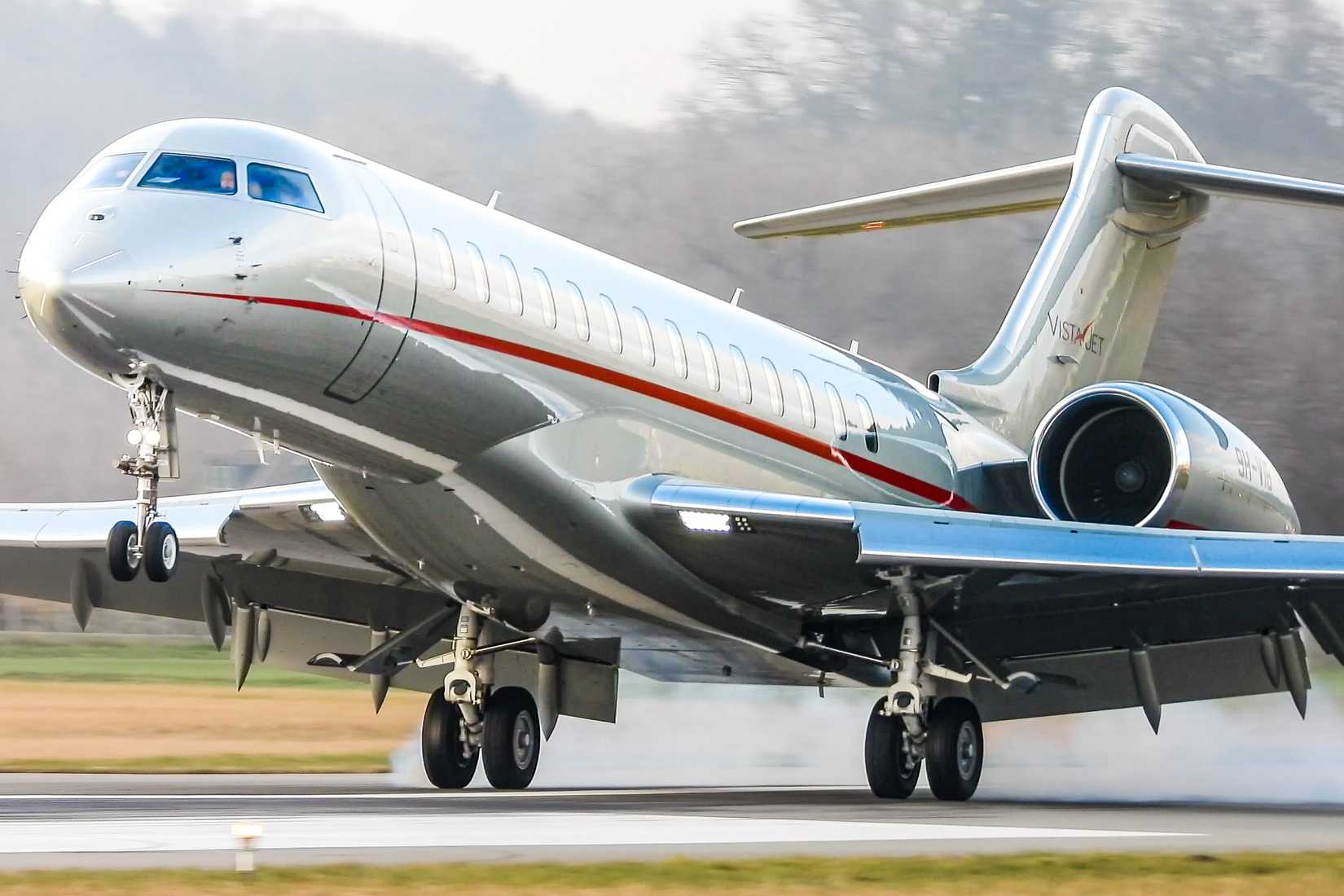
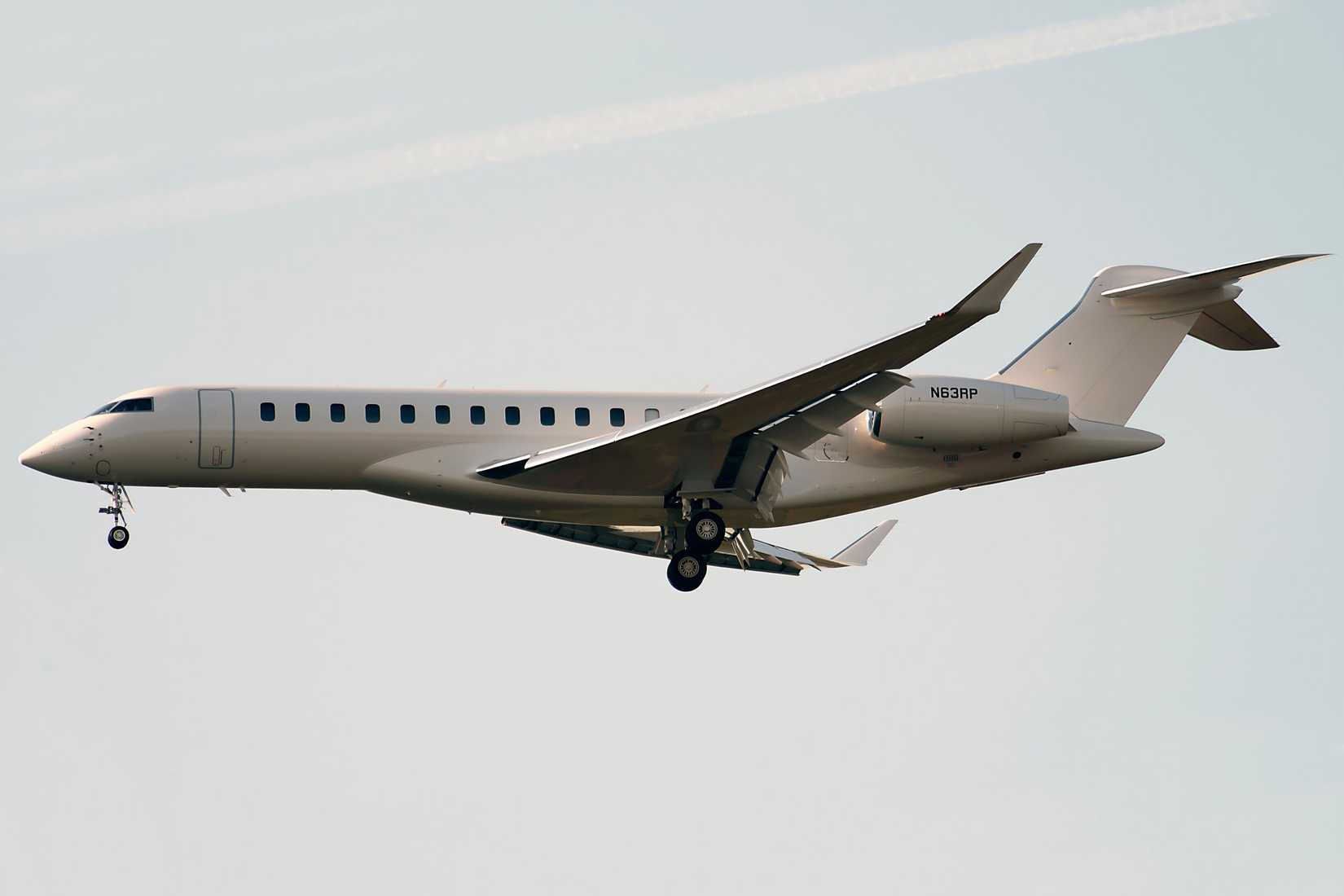
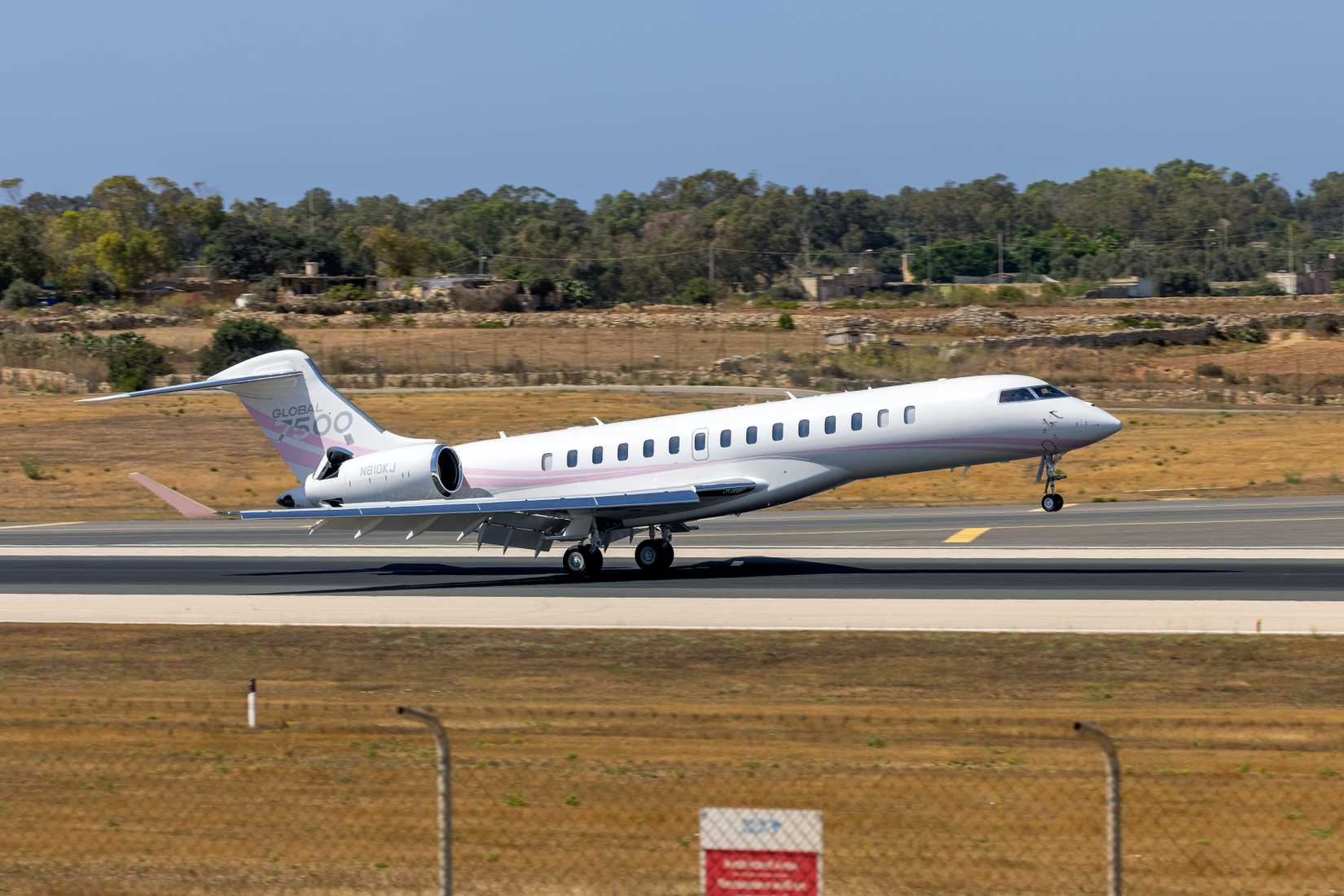
The Bombardier Global 8000, which entered service in December 2025, has demonstrated a defining operational capability by completing a nonstop flight from Dubai to Los Angeles — a route that stretches beyond the practical reach of the Gulfstream G700, the most direct competitor in the ultra-long-range business jet segment. The Global 8000 achieves this with a certified range of 8,000 NM (15,000 km) and a maximum operating speed of Mach 0.95, making it the fastest civilian aircraft since the Concorde. Critically, Bombardier arrived at this configuration through a significant 2022 redesign: rather than producing a smaller, lighter airframe derivative of the Global 7500, the company pivoted to building the 8000 as an enhanced variant of the 7500's existing fuselage, preserving the four-cabin zone interior accommodating up to 19 passengers while simultaneously extending range by 300 NM over its predecessor.
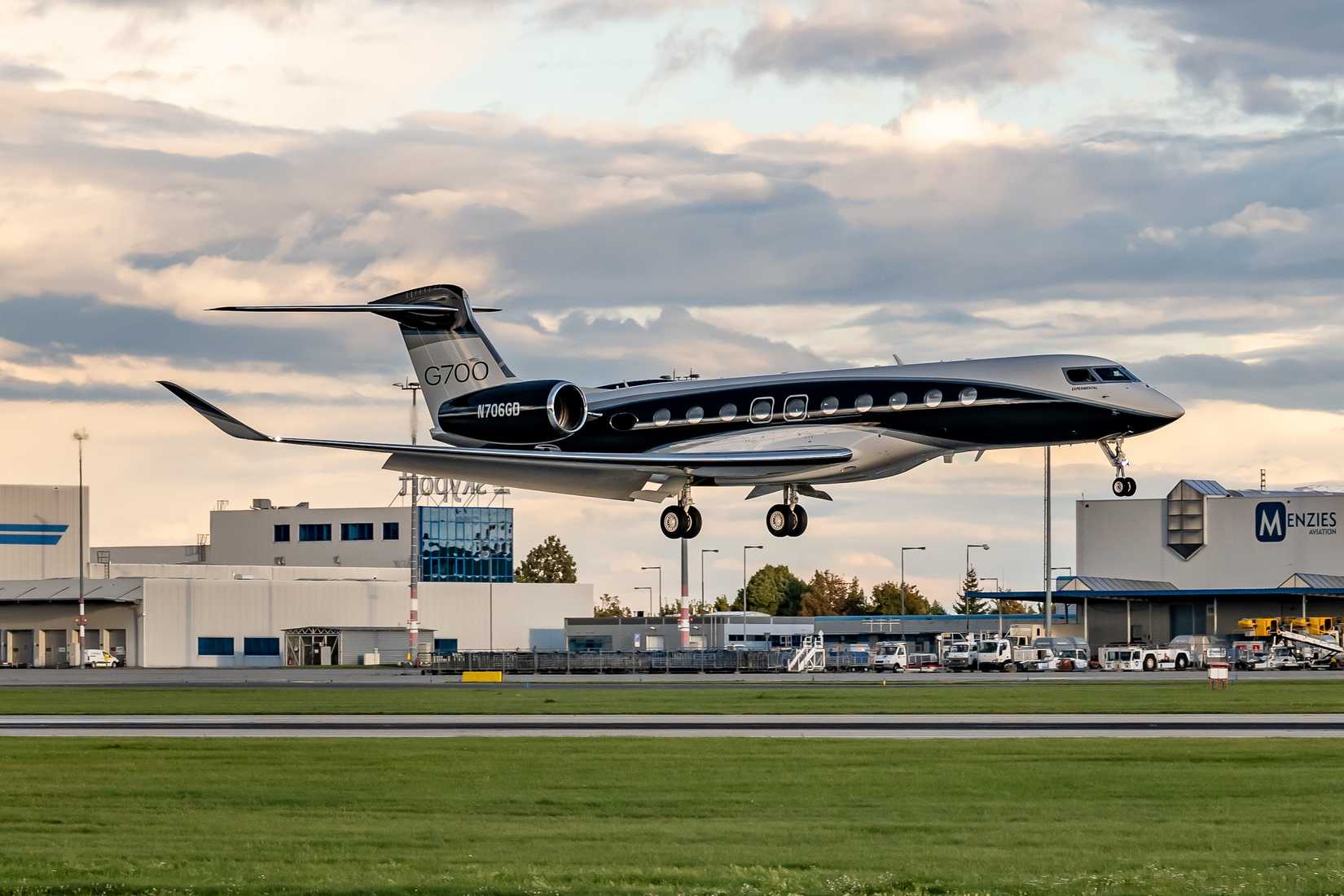
For operators and flight departments evaluating ultra-long-range platforms, the Global 8000's performance envelope on city pairs like Dubai–Los Angeles and Detroit–Sydney represents a genuine operational differentiator rather than a brochure specification. The G700's published range of 7,750 NM places it at a meaningful disadvantage on these thinner, high-value routes, particularly when geopolitical constraints — such as Russian airspace closures affecting westward routing — force longer track miles. Under those conditions, the G700 faces payload restrictions or requires a technical stop, compressing its competitive positioning precisely where ultra-long-range operators are willing to pay a premium. The Global 8000's ability to absorb those detours without compromising payload capacity changes the calculus for charter operators, fractional programs, and flight departments running transatlantic and trans-Pacific routes under Part 135 or equivalent international frameworks.
The program's development economics reinforce Bombardier's strategic position. The original Global 8000 concept — a fuselage shrink intended to optimize range at the cost of cabin volume — generated limited market interest because customers operating at this price point were unwilling to trade interior space for incremental range. By abandoning the shrink and instead upgrading the 7500 platform, Bombardier collapsed its production complexity to a single airframe type while simultaneously raising the ceiling on what that type can deliver. Manufacturing efficiency, combined with the higher average selling price the 8000 commands over the 7500, improves per-unit margins considerably. Bombardier's service bulletin pathway, allowing existing 7500 owners to upgrade to 8000 specifications, extends the program's reach into the installed fleet and creates a retention mechanism that suppresses the secondary market for unmodified 7500s.
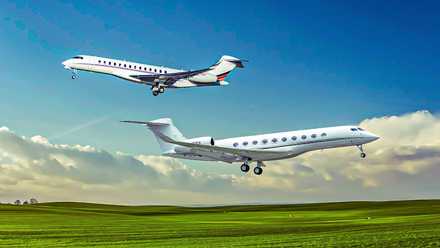
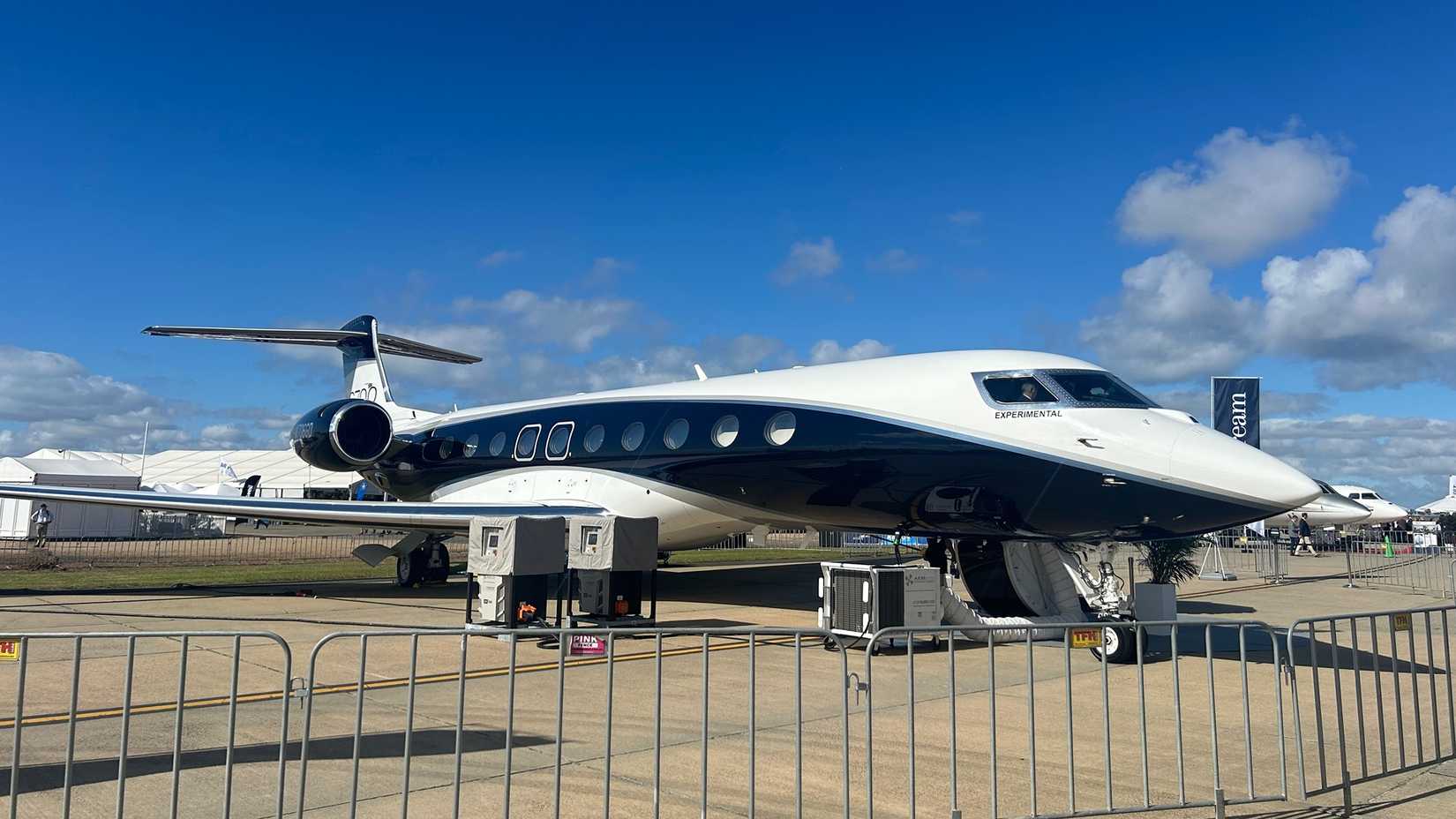
The competitive dynamics between Bombardier and Gulfstream in the ultra-long-range segment are shifting in a measurable way for the first time in years. Gulfstream's G700 is itself a derivative of the proven GVI type — the G650 lineage — and while it carries strong brand equity and a well-established support network, it is now operating against a competitor with a meaningful range and speed advantage. The G800, Gulfstream's longer-range variant, addresses some of this gap with a published range of 8,000 NM, placing it more directly in the Global 8000's territory, but the Global 8000's Mach 0.95 top speed remains unmatched in the segment. For flight planners specifically, that speed advantage translates directly into block time reduction on intercontinental sectors, which carries real value for principals whose schedules operate on compressed decision-making cycles across multiple time zones.
Broader trends in business aviation amplify the relevance of this competitive development. Demand for ultra-long-range capable aircraft has grown as corporate flight departments restructure routes around restricted airspace realities that emerged post-2022, and as charter operators serving UHNW clients increasingly position range as a non-negotiable baseline rather than an aspirational feature. The Global 8000's ability to operate from short-field environments — demonstrated by the 7500's London City departures — while simultaneously covering 8,000 NM routes reflects exactly the kind of operational versatility that makes fleet consolidation decisions easier for large flight departments. At a time when the business jet market is managing softening demand at the midsize end against sustained strength at the top of the market, Bombardier's execution on the Global 8000 positions the company to capture a disproportionate share of the ultra-long-range replacement cycle now underway as early G650 operators consider their next aircraft.








 Read original article