Joining oneworld Alliance Is An Invitation, Not An Application: Here's How It Works
Oneworld Alliance's membership process operates through invitation rather than open application, a distinction that reflects the alliance's fundamentally consensus-driven governance structure and has significant implications for how the global airline competitive landscape evolves. Recent remarks by oneworld CEO Ole Orvér at the IATA Annual General Meeting in Rio de Janeiro drew fresh attention to these mechanics in the context of Philippine Airlines' impending full membership. Orvér underscored that the addition expands the alliance's portfolio of destinations, particularly reinforcing connections alongside existing members Cathay Pacific, Qantas, and Japan Airlines across Asia-Pacific routes — a region where Star Alliance and SkyTeam have historically held stronger footholds.
The pathway to membership is structured and lengthy. Once a candidate carrier receives an invitation — itself contingent on unanimous or near-unanimous approval from the governing board of member airline chief executives — it signs a memorandum of understanding and assumes "member-elect" status. That designation triggers a multi-phase integration process encompassing safety and operational audits, commercial alignment, and loyalty program interoperability. Oman Air serves as a recent example of a carrier that has moved through this pipeline, publicly acknowledged as a member-elect while the backend work of full integration continues. This process routinely spans multiple years, meaning that codeshare expansions, interline ticketing agreements, and frequent flyer reciprocity that passengers and crews rely on in daily operations are the product of extensive behind-the-scenes technical and commercial negotiation.
For airline pilots and flight operations professionals, alliance membership carries concrete operational significance. Codeshare arrangements that flow from alliance integration directly shape crew scheduling patterns, since airlines operating codeshare flights must align operational procedures, safety standards, and in some cases collective bargaining provisions with partner carriers. Full alliance integration also typically expands the number of city pairs served under a single ticket, which affects load factor distribution across combined networks. For flight departments supporting corporate travelers, particularly those managing international itineraries for executives with significant Asia-Pacific or Middle East exposure, the addition of Philippine Airlines to oneworld means eventual access to a larger coordinated loyalty and lounge infrastructure across that corridor — including the dense transpacific routes serving the Filipino diaspora population that Orvér specifically identified as a commercial priority.
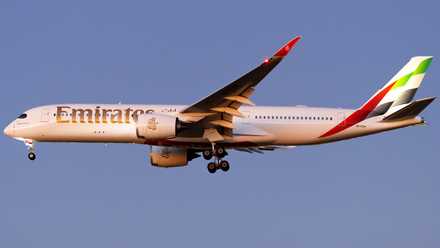
The broader trend illustrated by Philippine Airlines' pending membership is one of deliberate geographic gap-filling by alliances competing for strategic positioning. Oneworld has consistently remained the smallest of the three major global alliances, and each addition is a calculated move to close network deficiencies rather than a routine administrative expansion. The alliance's selective, invitation-only model reinforces quality control over member safety standards and commercial compatibility, but it also means expansion is inherently slow and deliberate — a dynamic that stands in contrast to the more fluid bilateral partnership model employed by carriers like Emirates, which has declined alliance membership entirely in favor of targeted one-on-one agreements. For operators and pilots navigating international routing decisions, interline agreements, or corporate travel policy, understanding this structural reality clarifies why alliance networks shift incrementally and why the formal completion of Philippine Airlines' integration will take considerably longer than its initial announcement suggests.










 Read original article