Why Germany Is Quietly Buying 15 More F-35s & Asking To Join A Fighter Program It Once Rivaled
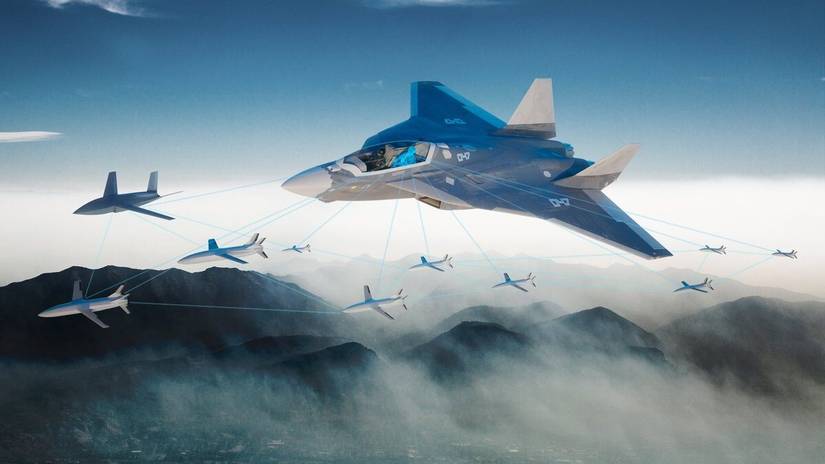
Germany's formal termination of the Future Combat Air System (FCAS) program in June 2026 marks one of the most significant European defense aviation failures in decades, effectively collapsing a joint French-German-Spanish effort to field a sixth-generation fighter that was announced with considerable fanfare in 2017. The program's undoing was not primarily technical but political and industrial: French partner Dassault reportedly sought an 80% workshare, a demand German prime contractor Airbus found tantamount to funding a French national fighter at German expense. With trust between the two industrial giants irretrievably broken and virtually no meaningful design work completed in over a year, Berlin concluded that continued participation in FCAS was itself an obstacle to acquiring a next-generation fighter, not a path toward one. Germany now confronts a multidecade bridging challenge with no clear flagship successor to its aging Panavia Tornado fleet and a 6th-generation gap extending potentially into the 2050s.
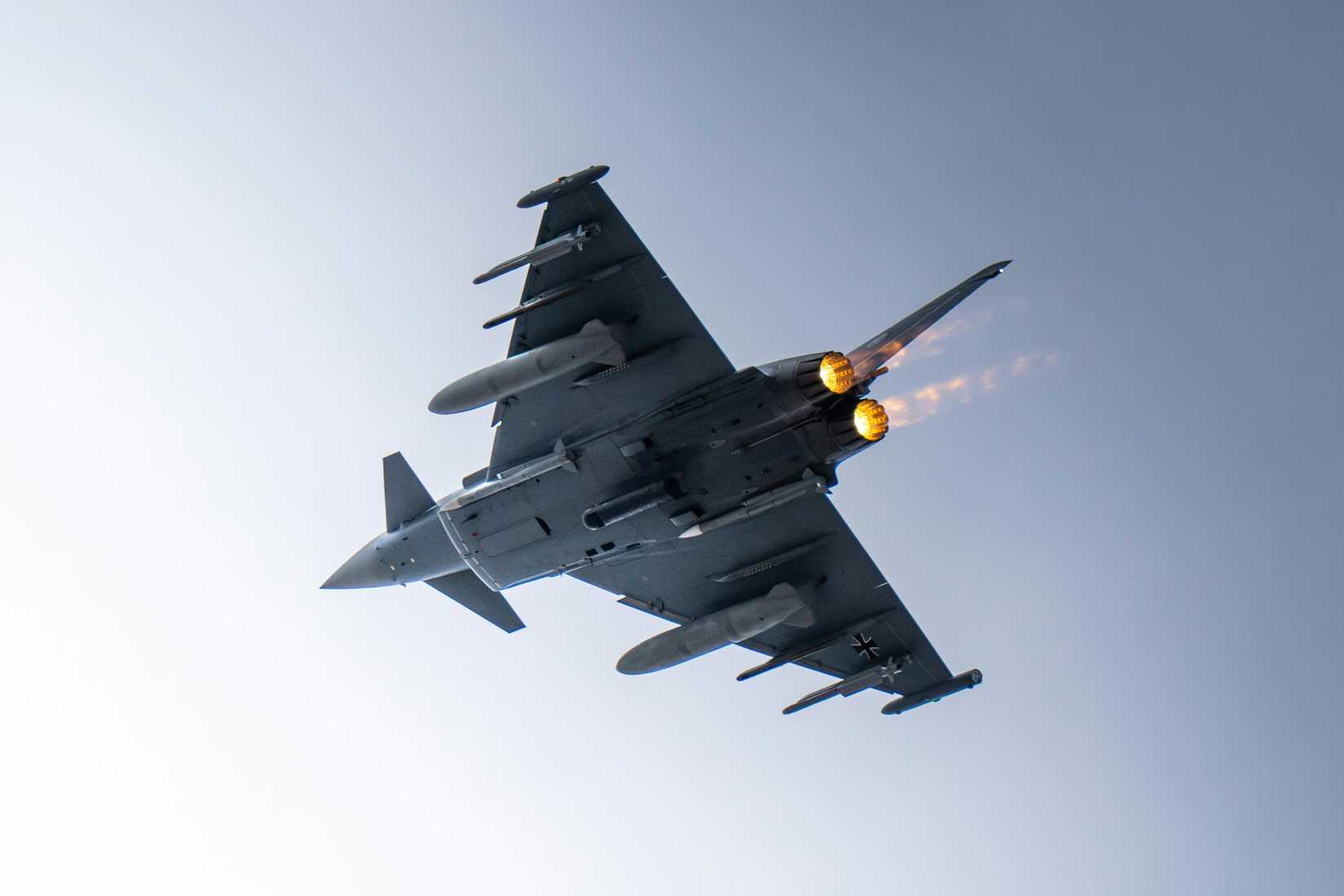
To stabilize its tactical air arm in the near term, Germany is pursuing a layered acquisition strategy built around continued Eurofighter Typhoon procurement and an expanded F-35A buy. The October 2025 order for 20 additional Tranche 5 Eurofighters — on top of 38 already on order through Project Quadriga — is driven by two distinct imperatives. First, Germany's post-Ukraine rearmament posture, including an explicit readiness target of 2029, demands a credible frontline fleet now, not in the 2040s. Second, and critically for the long-term industrial picture, Airbus Deutschland's fighter manufacturing lines must remain active. Engineering talent, supply chains, and manufacturing knowledge erode rapidly when production gaps appear, as the European defense industry has learned repeatedly since the Cold War. Keeping Eurofighter lines running is not merely procurement — it is industrial policy in service of whatever sixth-generation program Germany ultimately joins or leads.
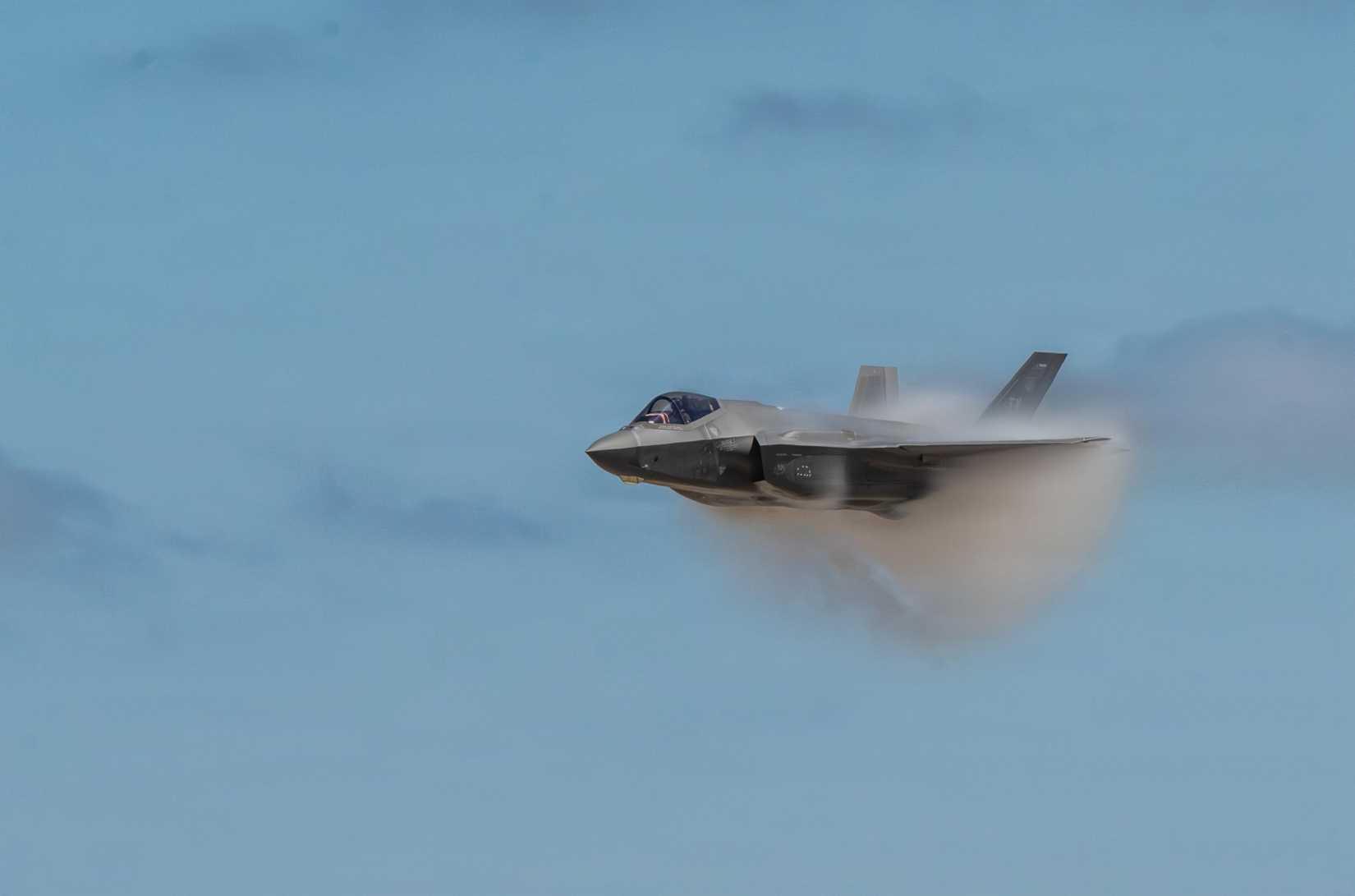
The F-35A plays a dual role in Germany's plan that goes beyond simple capability acquisition. Berlin holds a firm order for 35 F-35As, with serious consideration of an additional 15, and the aircraft serves two non-negotiable functions. First, it is the designated successor platform for Germany's NATO nuclear sharing commitment, replacing Tornado jets that are the designated delivery vehicle for US B61 gravity bombs — a mission for which no European-produced aircraft is currently certified or planned in the near term. Second, even a modest F-35 fleet functions as a force multiplier for the broader Eurofighter inventory through networked sensor fusion, a dynamic the Royal Air Force has operationalized in describing the Typhoon as the "thug" and F-35B as the "assassin." The F-35's ability to operate as a quarterback for legacy-generation jets — sharing targeting data, suppressing integrated air defenses, and enabling fourth-generation aircraft to operate in contested environments they could not survive independently — makes even a small buy operationally significant well beyond the aircraft's own numbers.
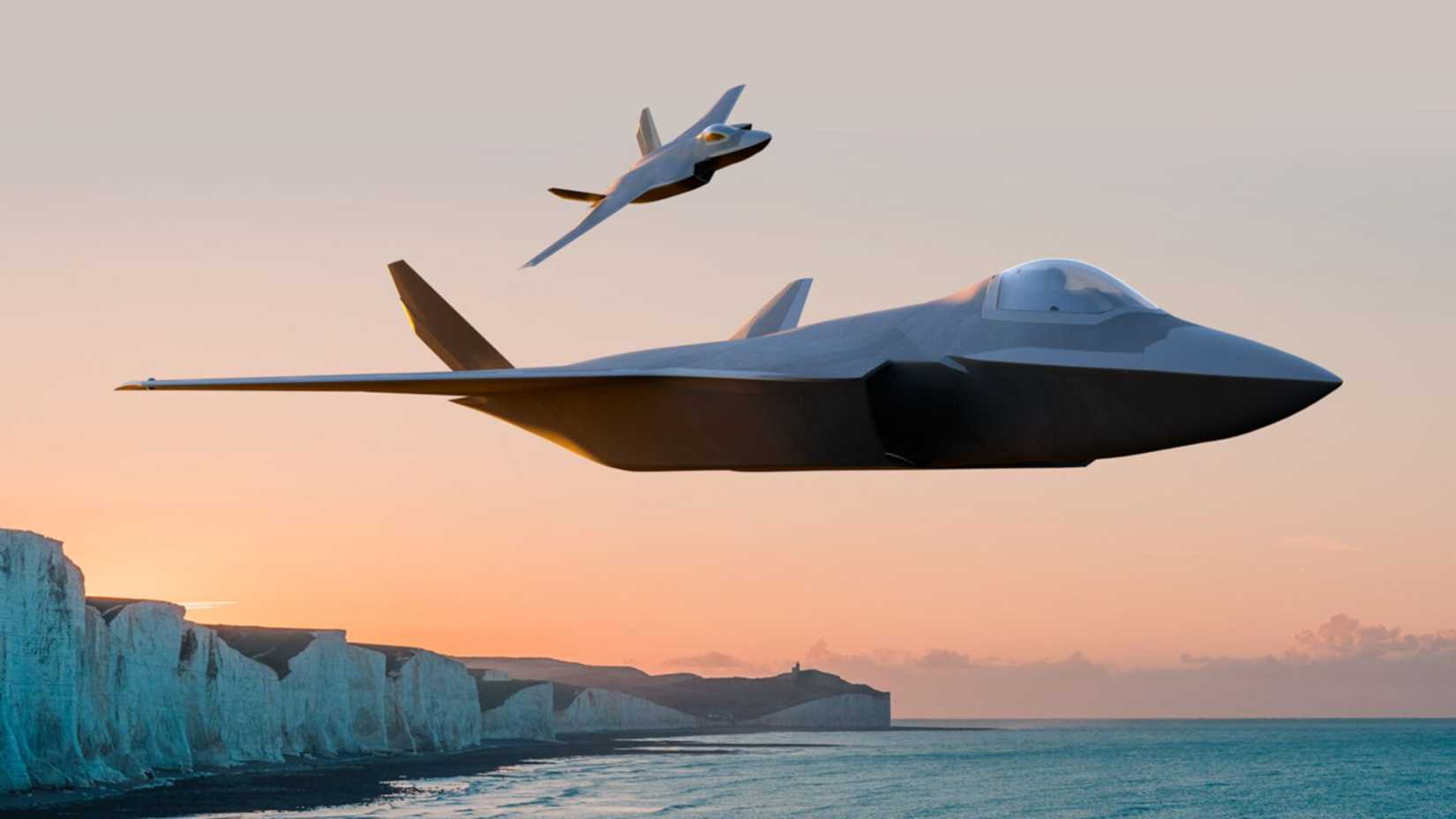
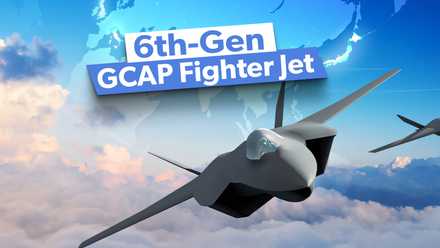
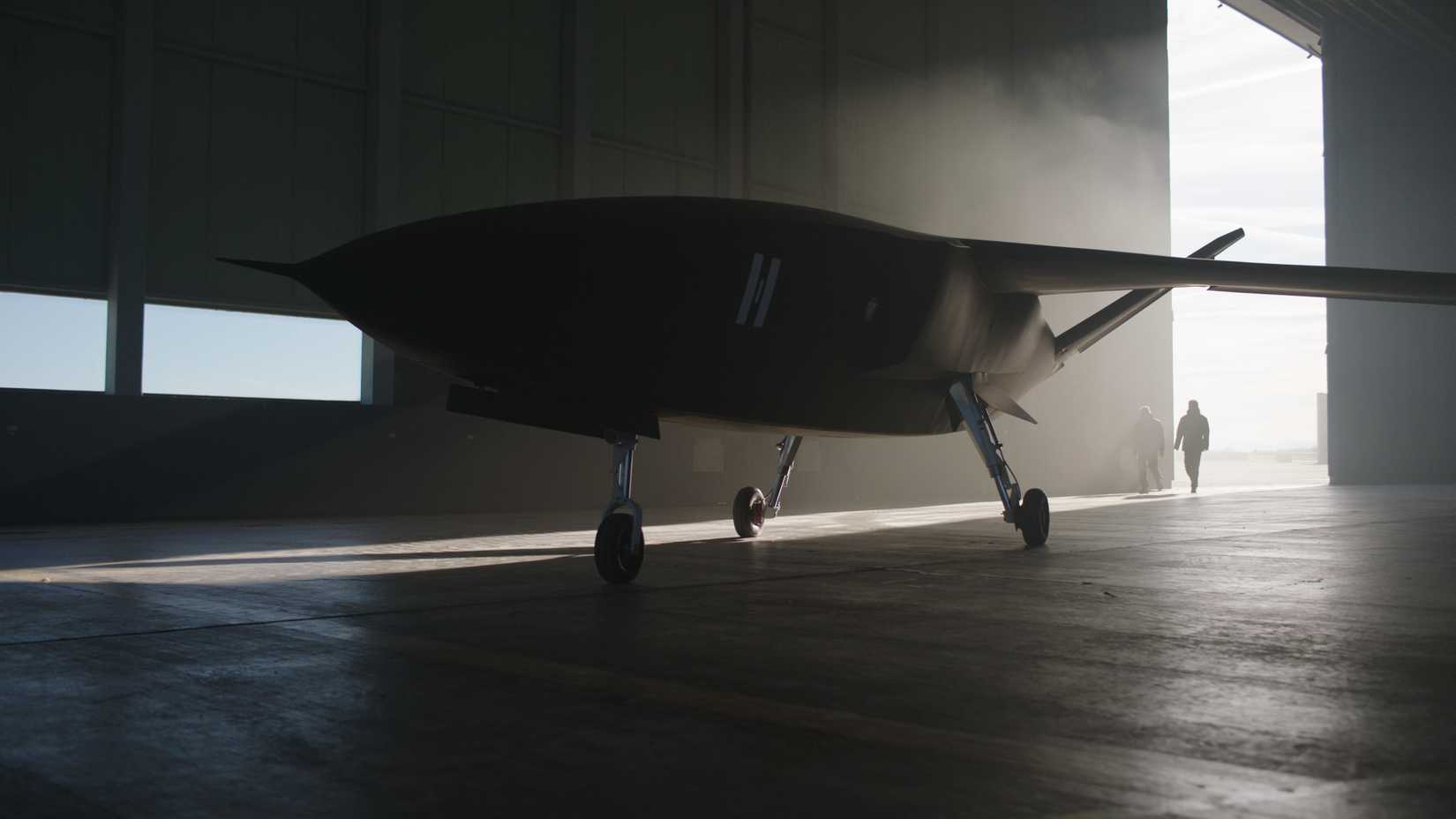
Germany's post-FCAS options for sixth-generation capability now narrow to three broad paths: joining the UK-Italy-Japan GCAP/Tempest program as a partner nation, leading a new consortium potentially with Sweden and Spain, or accepting a long-term reliance on F-35s operating alongside autonomous combat drones — the "Jagdbomberdrohne" program targeting approximately 400 advanced combat drones evolving into loyal wingman systems — without a crewed European next-generation fighter. Each path carries industrial, political, and operational tradeoffs. GCAP membership would likely demand technology-sharing concessions and workshare negotiations that echo FCAS's failures. An independent German-led effort would require finding credible partners willing to accept German industrial leadership. The drone-centric path sidesteps the sixth-generation fighter question entirely but leaves Germany without a sovereign manned advanced fighter capability, a strategically uncomfortable position for Europe's largest economy and NATO's central land power.
The broader implication for the global aviation and defense industry is that sixth-generation fighter development is proving far harder to multinationalize than the already-difficult Eurofighter program of the 1980s and 1990s. The collapse of FCAS, combined with continued delays and cost growth in other next-generation programs, reinforces the F-35's position as the dominant advanced tactical aircraft for NATO allies through at least the late 2030s — and likely longer for nations that cannot field indigenous successors on schedule. For aviation operators and industry observers, the German situation illustrates how procurement decisions made today, including bridge buys and industrial investment choices, will shape operational capability for the next 25 years. The F-35's role as both a combat platform and an industrial bridge aircraft is now explicitly embedded in the strategic calculus of one of NATO's most consequential air forces.






 Read original article