Here’s How Different The Boeing 777X’s Dimmable Windows Are Compared To The 787 Dreamliner
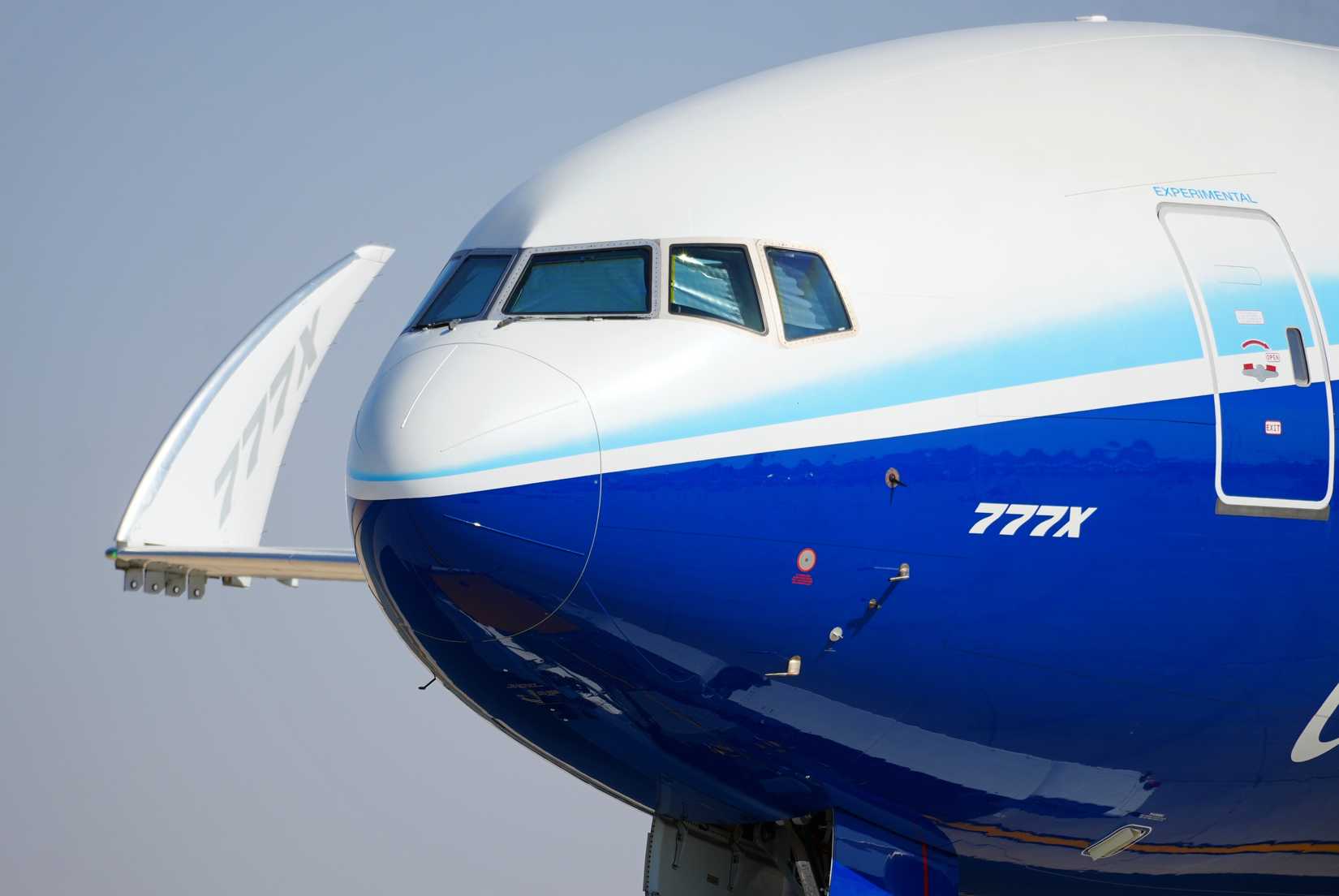
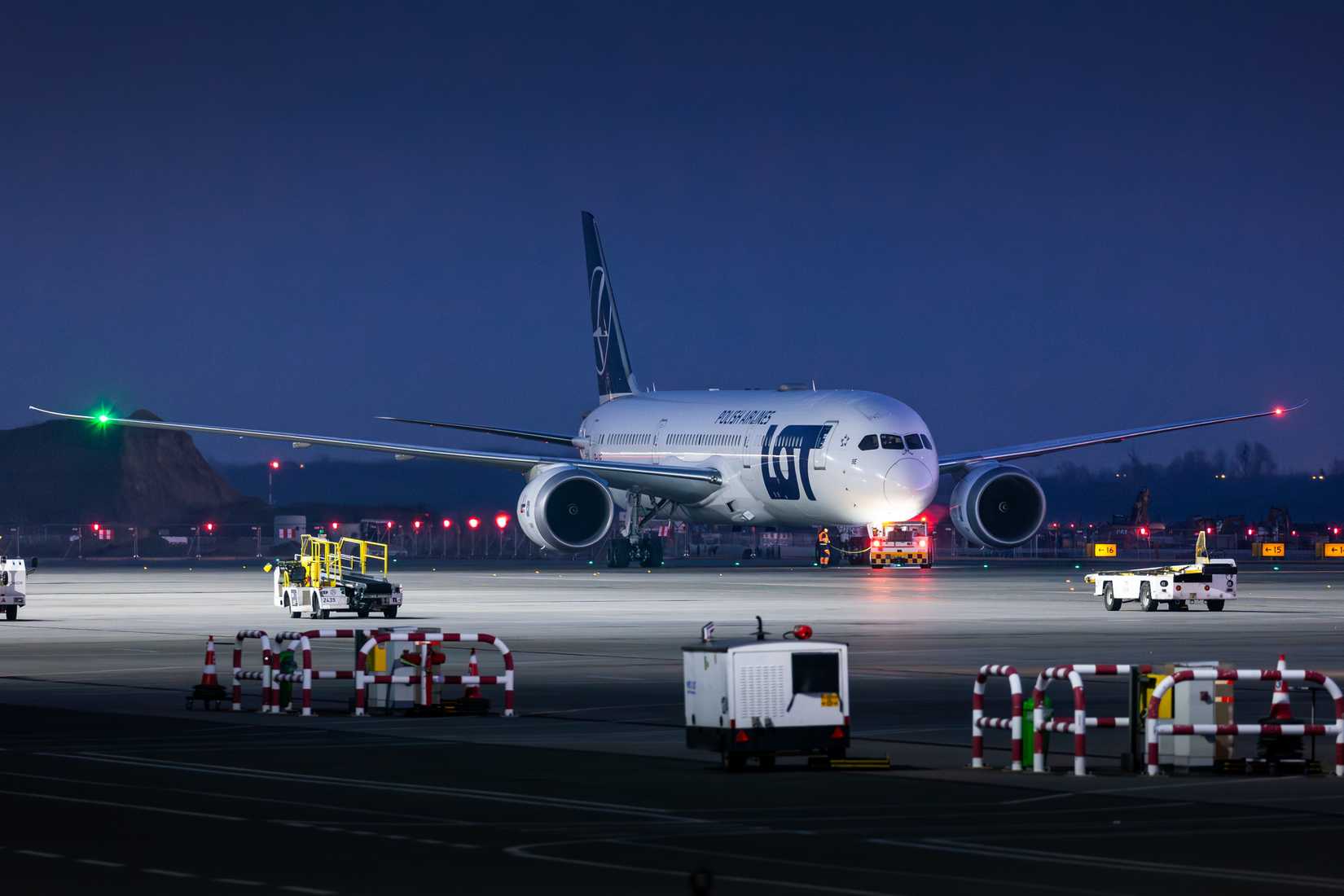
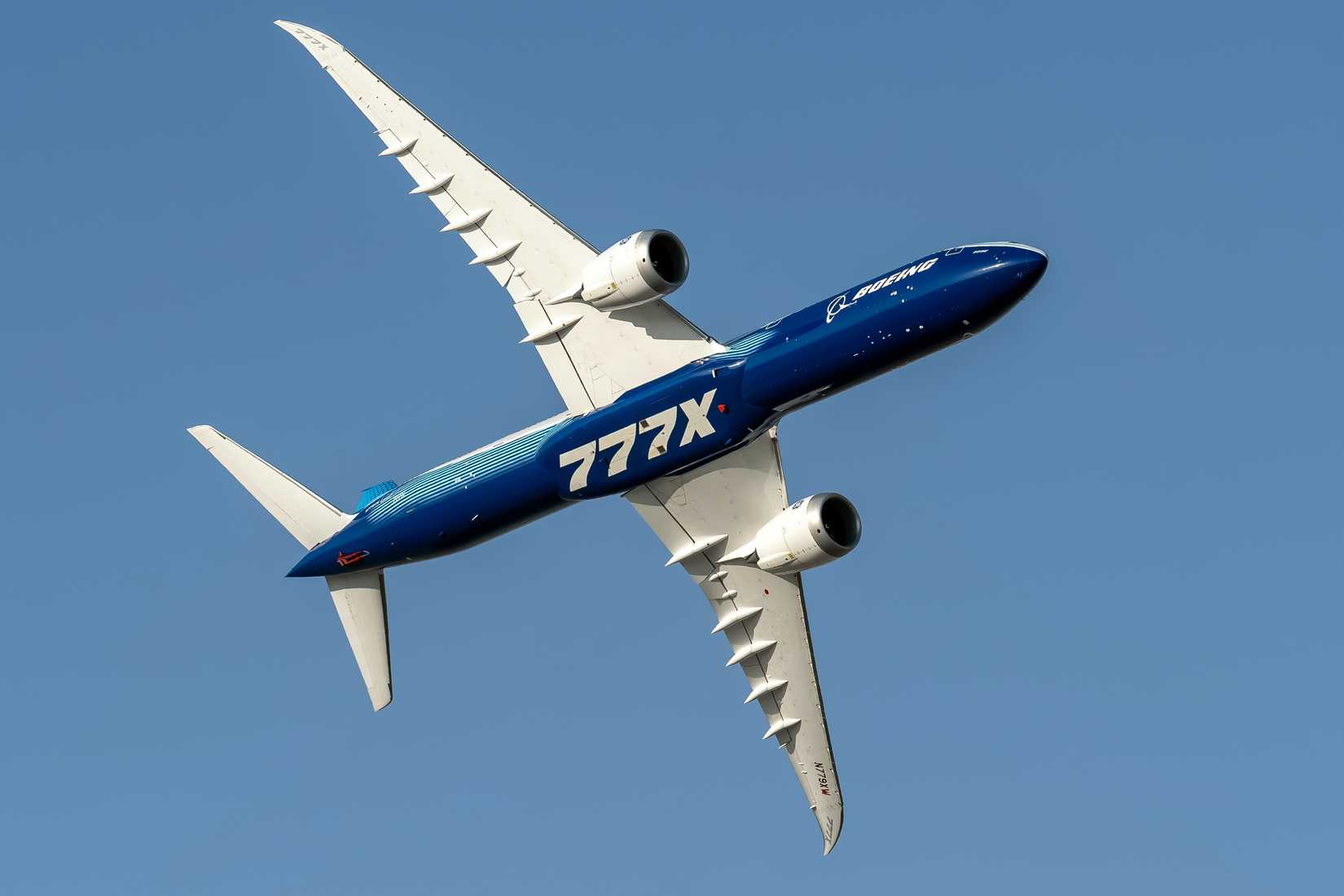
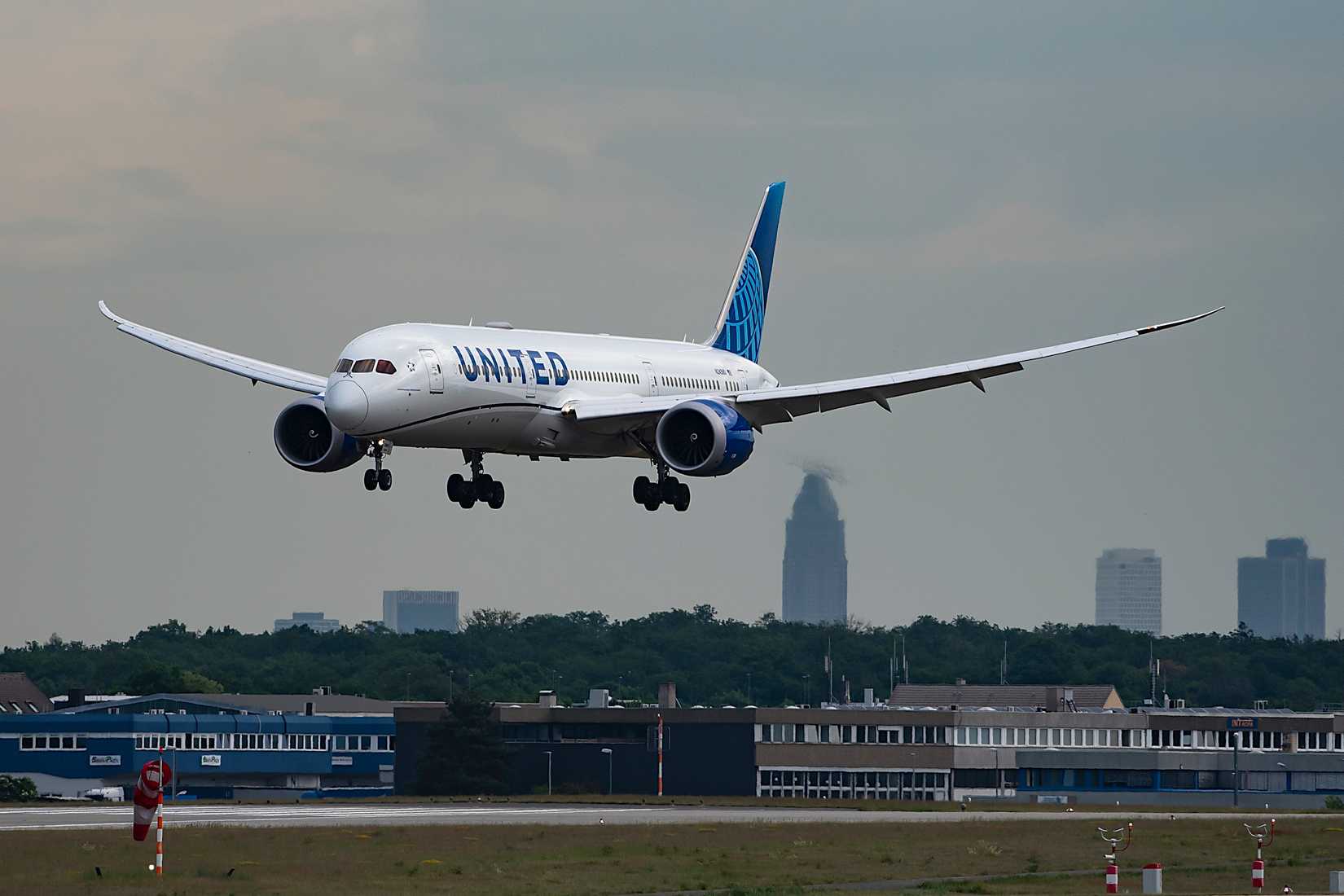
Boeing's 777X introduces a third-generation electrochromic window system developed by Gentex Corporation that represents a substantive engineering leap over the dimmable glass installed on the 787 Dreamliner since its entry into service. The core improvement lies in a reformulated proprietary gel medium whose molecular structure reacts to low-voltage electrical current with dramatically greater efficiency, cutting transition time from the two-to-three-minute sluggishness that characterized earlier 787 airframes to approximately 60 seconds on the 777X. Equally significant is the light-blocking performance: where legacy Dreamliner systems achieved roughly 95 to 98 percent visible light elimination—often leaving a residual blue tint that disrupted passenger sleep cycles on daytime transocean sectors—the Gen 3 architecture achieves 99.999 percent blockage, enabling a true optical blackout even under direct high-altitude sunlight. The passenger interface has also been modernized, replacing the rubberized toggle switches on the 787 with capacitive touch controls embedded directly into the window shroud, providing haptic acknowledgment before the chemical transition is even perceptible.
For airline operators, the operational implications extend well beyond passenger comfort metrics. The 777X windows incorporate advanced infrared and ultraviolet-blocking coatings that function as an active thermal barrier, reducing the solar heat load on the environmental control system during extended sun exposure at cruise altitude. On ultra-long-haul routes—precisely the market the 777X is designed to serve—ECS load reduction carries meaningful fuel burn implications across thousands of flight hours. From a maintenance standpoint, the shift to solid-state electrochromic panels eliminates one of the most persistently annoying cabin reliability problems in commercial aviation: broken, jammed, or fouled mechanical window shades that regularly pull seats out of revenue service. Airlines operating high-density widebody fleets understand that cabin maintenance write-ups tied to window shade mechanisms represent a disproportionate share of minor but operationally disruptive deferred items, and the 777X architecture makes that failure mode structurally impossible.
For flight crews, the practical dimension is more nuanced but still relevant. The long-standing workaround on 787 aircraft—where cabin crews would take manual control of window settings during critical phases such as descent and landing to ensure situational awareness for both passengers and crew during emergencies—was partly necessitated by the slow transition speed and passenger frustration with an unresponsive-seeming interface. The 777X's near-immediate response reduces the behavioral friction that prompted passengers to repeatedly activate controls or ignore crew instructions about window settings. Cockpit crews on widebody aircraft are also indirect beneficiaries of improved cabin thermal management, since a more stable cabin environment reduces the frequency of ECS adjustments and associated crew-passenger complaints during long sectors.
The 777X window system also positions Boeing's flagship widebody at the leading edge of what is emerging as a broader smart-surface trajectory in commercial cabin design. Industry observers have noted that current electrochromic layers are considered a logical substrate for eventual transparent OLED integration, which would allow the window aperture itself to serve as an entertainment or information display surface. While that convergence remains developmental, the infrastructure being installed on 777X aircraft entering service in 2027 establishes the foundational architecture for those future capabilities. Business aviation has watched this technology arc closely, as electrochromic glass has already migrated into high-end bizjet applications, and the performance benchmarks set by Gen 3 commercial installations tend to accelerate adoption curves in the Part 91 and charter markets where passenger experience differentiation is a primary competitive variable.






 Read original article