How Much Does It Cost To Upgrade To First Class At Check-In?
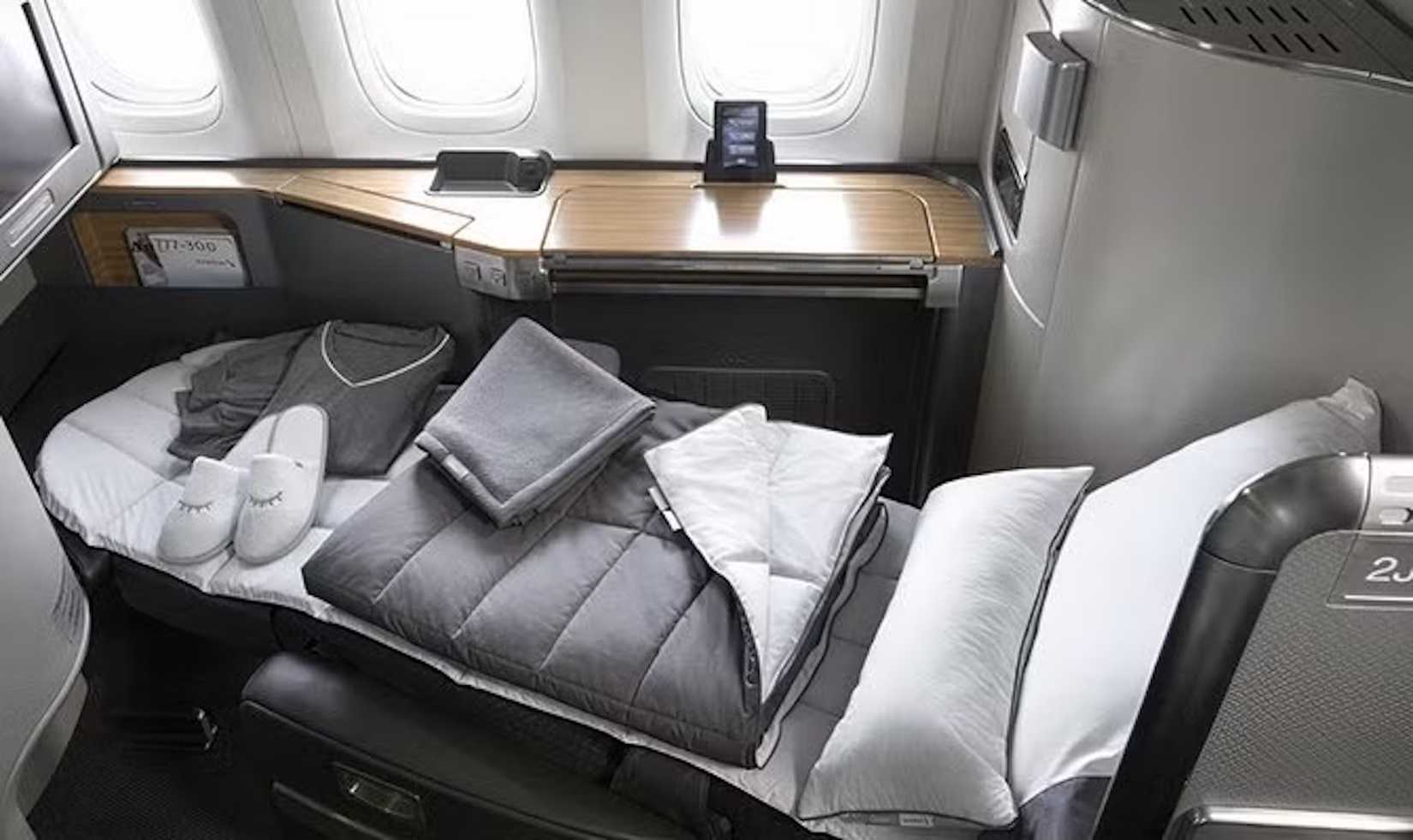
Check-in upgrade pricing across major US carriers reflects a highly dynamic revenue management system in which unsold premium cabin inventory is liquidated at discounts ranging from modest to substantial, depending on route length, cabin load factor, and proximity to departure. On domestic routes, upgrade offers typically fall between $29 and $700, with shorter West Coast segments on carriers like Alaska Airlines frequently priced under $200 and longer transcontinental routes on American and Delta reaching into the mid-hundreds when lie-flat seating is involved. International and long-haul routes carry materially higher price points, with transatlantic business class upgrades commonly appearing in the $600–$1,500 range, and ultra-long-haul segments such as San Francisco to Singapore potentially exceeding $1,500 for remaining seats. The pricing mechanism operates independently of elite status complimentary upgrades or award redemptions, functioning instead as a cash-based yield recovery tool available to any ticketed passenger during the check-in window.
For airline pilots—particularly those commuting to domiciles or deadheading on commercial carriers—understanding how this pricing mechanism functions has direct practical value. The 24-hour check-in window is when these offers most commonly surface, and the calculus shifts materially as departure approaches: heavily loaded premium cabins may never show discounted offers, while lightly booked ones can produce genuinely attractive pricing. Crew members traveling on positive-space or non-revenue tickets are generally excluded from these cash upgrade pathways, but those purchasing revenue tickets for commuting or personal travel can benefit from monitoring upgrade pricing through airline apps. For corporate flight departments and Part 135 operators, the dynamics are equally instructive—clients who are accustomed to checking upgrade availability on commercial carriers are increasingly attuned to per-seat cost comparisons, and operators should be prepared to address that conversation with data on total-cost-of-travel metrics that account for time, privacy, and schedule flexibility.
The broader revenue management trend underlying this article signals how aggressively commercial carriers are monetizing previously stranded premium inventory. Rather than accepting an empty business or first-class seat as a sunk cost, airlines have built increasingly sophisticated tools to identify price-sensitive economy passengers who might convert at a discount, preserving yield without cannibalizing full-fare premium ticket sales. This approach has become standard practice across the major network carriers—Delta, American, United, and Alaska—and reflects a post-pandemic recalibration in which premium cabin demand has been structurally strong but not universally sufficient to fill every seat on every departure. The result is a two-tier premium market in which early purchasers pay full freight while last-minute upgraders can occasionally access equivalent products at a fraction of the cost, a dynamic that has complicated airline revenue forecasting but improved overall load factor performance in premium cabins.
For the broader business aviation sector, the expansion and increasing visibility of commercial first-class upgrade offers creates both competitive pressure and a positioning opportunity. When a transatlantic business class upgrade is available for $900 at check-in on United, the value proposition of a private charter on the same route becomes harder to communicate on price alone—a reality that Part 135 operators and fractional providers must account for in their client-facing messaging. The countervailing argument, consistently borne out in operator data, centers on schedule control, terminal avoidance, and the elimination of connection risk, none of which improve with a first-class upgrade on a commercial carrier. As commercial airlines continue refining dynamic upgrade tools and making premium seats more accessible to price-flexible travelers, the business aviation industry's competitive response will increasingly depend on articulating the operational and productivity value of private travel beyond the cabin product itself.









 Read original article