Breaking: SAS Announces Order For Up To 40 Airbus A330 Aircraft
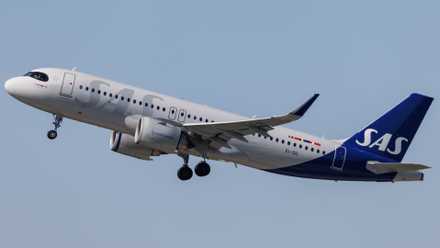
Scandinavian Airlines has announced what the carrier describes as the largest investment in its history, committing to up to 40 Airbus A330 widebody twinjets in a deal valued at over $10 billion at list prices. The agreement encompasses 18 firm orders for the A330-900 — the newer neo variant — along with options for ten additional A330-900s, and 12 A330-300ceo aircraft intended to support near-term network growth while the newer jets are delivered. The combined order pushes total A330neo series commitments industry-wide past the 500-unit milestone, underscoring continued market confidence in the platform. Lessor partnerships with Avolon and Bank of China Aviation will underpin the financing structure, a common arrangement for flag carriers managing large fleet expansions without full ownership exposure.
The strategic logic behind the dual-variant approach reflects a gap-filling necessity familiar to fleet planners at any major carrier. SAS currently operates eight A330-300s averaging nearly 15 years in service, and the incoming A330-300s from the order will slot directly into existing type rating pools, maintenance infrastructure, and crew qualification programs. The A330-900, meanwhile, extends range from the -300's 6,350 NM to 7,350 NM and improves fuel burn through re-engined Rolls-Royce Trent 7000 powerplants and aerodynamic refinements. Critically for SAS operations, the A330-900 shares 95 percent airframe commonality with the -300, which substantially reduces the type transition burden for pilots, maintenance technicians, and dispatchers alike. For crews already holding A330 type ratings, the transition to the neo variant typically involves differences training rather than a full type rating course, a significant cost and scheduling advantage for the airline.
The fleet order fits into a broader strategic pivot SAS has been executing since emerging from Chapter 11 bankruptcy protection in 2024. That restructuring, which involved new ownership including Air France-KLM and a consortium of investors, repositioned the airline for growth rather than mere survival. The A330 widebody commitment follows a 2024 Embraer E195-E2 order targeting regional connectivity and continued investment in the A320neo family for short-haul routes, together forming a cohesive three-tier fleet strategy. The A330-900 aircraft are slated to arrive in the 2030s, configured with approximately 290 seats in a layout designed to be operationally interchangeable with SAS's existing A350 fleet — a configuration decision that carries meaningful implications for crew scheduling, cabin service standardization, and network flexibility when substituting aircraft on long-haul routes.
For professional pilots operating in the European and transatlantic corridors, the SAS expansion signals continued competitive pressure on long-haul routes connecting Scandinavia with North America, Asia, and the Middle East. The A330-900, certified for ETOPS-180 and beyond, is well suited to trans-Atlantic and Asia routing from Copenhagen, Oslo, and Stockholm hubs, markets where SAS competes directly with Finnair, Lufthansa Group carriers, and the expanding Gulf operators. The airline's projection that its planned growth will support 25,000 additional jobs and contribute DKK 25 billion to regional GDP by 2030 also suggests sustained demand for qualified flight crew and operations personnel across Scandinavia, a relevant data point for pilots tracking hiring trends in the European market.
The order also reflects a wider industry pattern of widebody fleet renewal converging around a smaller set of proven platforms. Airbus's A330neo has found consistent demand from carriers that want modern fuel efficiency without the delivery queue wait times or operational novelty risks associated with the A350 or Boeing 787. For Part 91 and corporate operators, the trend matters in a secondary sense: as major airlines consolidate around high-commonality narrowbody and widebody families, the used market for outgoing widebody airframes and the availability of type-rated crews and simulator access will continue evolving. SAS's MOU with SkyKraft to explore electronic sustainable aviation fuel development further signals that regulatory and commercial pressure around SAF mandates — particularly within the European Union's ReFuelEU Aviation framework — is increasingly factored into fleet and procurement planning at the earliest stages of major fleet decisions.








 Read original article