Why The Cheaper Airbus A321LR (Not The XLR) Is Quietly Powering The New Transatlantic Boom
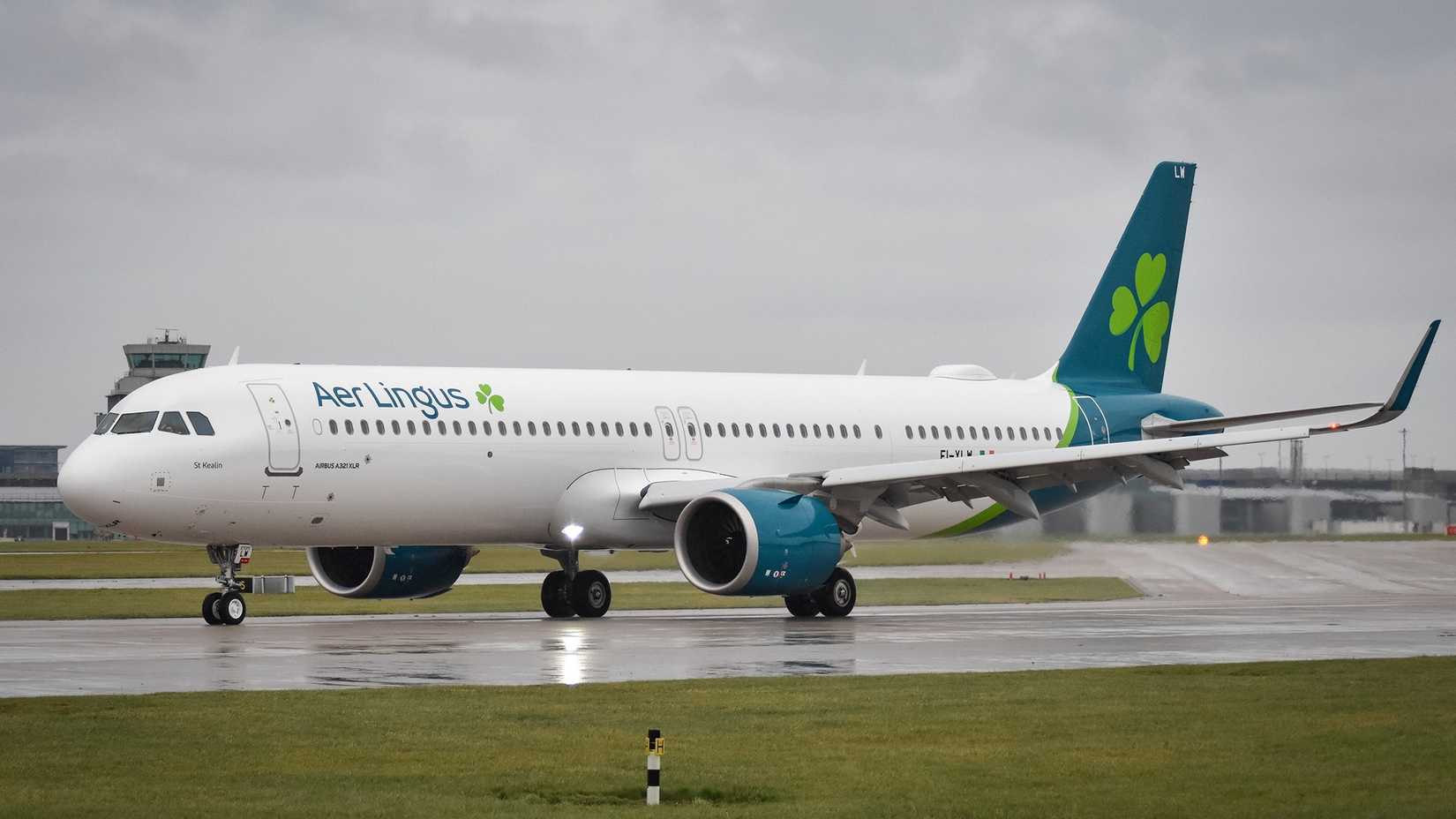
The Airbus A321LR has emerged as the quiet workhorse of the narrowbody transatlantic revolution, outpacing its more capable sibling in practical market impact despite the A321XLR receiving considerably more commercial attention and orders. Entering service in 2018 — nearly six years before the XLR — the A321LR accomplished the foundational work of proving that current-generation narrowbody economics could sustain transatlantic operations without the brute-force approach of the legacy Boeing 757-200. The LR variant achieves its extended range through three removable Additional Centre Tanks (ACTs) and a higher Maximum Takeoff Weight of 97 tons, delivering approximately 4,000 nautical miles of range. That figure sits just below the 757-200's 4,100-nautical-mile envelope but well above what the standard A321neo can achieve, and it has proven sufficient for carriers including JetBlue, Aer Lingus, TAP Air Portugal, SAS, and La Compagnie to operate thin transatlantic routes that widebody economics could never justify. With over 200 units sold, the A321LR has already validated the market segment the XLR is now being built to expand.
The A321XLR represents a more thorough engineering effort — featuring an integrated Rear Centre Tank, revised inboard flap geometry, strengthened landing gear, and an MTOW bump to 101.5 tons — pushing range to approximately 4,700 nautical miles and carrying more payload and cargo volume than the LR. Those added capabilities translate directly into route flexibility, allowing operators like Iberia to serve the Caribbean or U.S. carriers to reach deeper into continental Europe. Over 500 orders have been placed for the XLR, underscoring long-term market confidence. However, the article makes a commercially important distinction: for a significant portion of transatlantic missions, particularly North Atlantic thin routes between Europe and the U.S. East Coast, the A321LR is simply good enough. Its lower acquisition price and nearly equivalent operating economics on those specific segments make it the rational choice for airlines that can define and stick to a limited route set throughout the aircraft's lifespan.
The convertibility of the A321LR is an operationally significant factor that rarely receives adequate attention. Because the LR's extended-range credentials derive primarily from removable ACTs and a gross weight option now available across the broader A321neo family, the aircraft can be reconfigured back to standard A321neo configuration if route networks shift or fuel costs make long-haul narrowbody economics less favorable. The A321XLR's integrated RCT and structural modifications are permanent, committing operators to a heavier, more specialized airframe regardless of how their networks evolve. For fleet planners and Part 91K or charter operators considering transatlantic-capable narrowbodies, this flexibility distinction carries meaningful risk-management implications, particularly in a market where fuel prices and demand patterns remain volatile.
For professional pilots and aviation operators, the broader lesson embedded in the A321LR's success is about the persistence of the Boeing 757's market legacy and how difficult it has been to engineer a true replacement. The 757 was never designed for oceanic operations — its transatlantic capability was an accidental byproduct of its field performance requirements — yet it defined the segment for decades. The A321LR and XLR are the first aircraft to credibly fill that vacuum using modern LEAP-1A powerplants and composite-heavy airframes that deliver the fuel burn reductions necessary to make thin transatlantic routes profitable. Pilots transitioning to these types from 757 operations will note meaningful differences in systems architecture, cockpit philosophy, and ETOPS operational procedures, but the commercial logic driving the transition is clear. The narrowbody transatlantic segment is expanding, and the A321LR deserves significant credit for being the aircraft that demonstrated the concept was financially viable before the more capable XLR was ready to deepen it.





 Read original article