Less Capacity: Why Southwest Airlines Reversed A $60 Million Decision Made 14 Years Ago
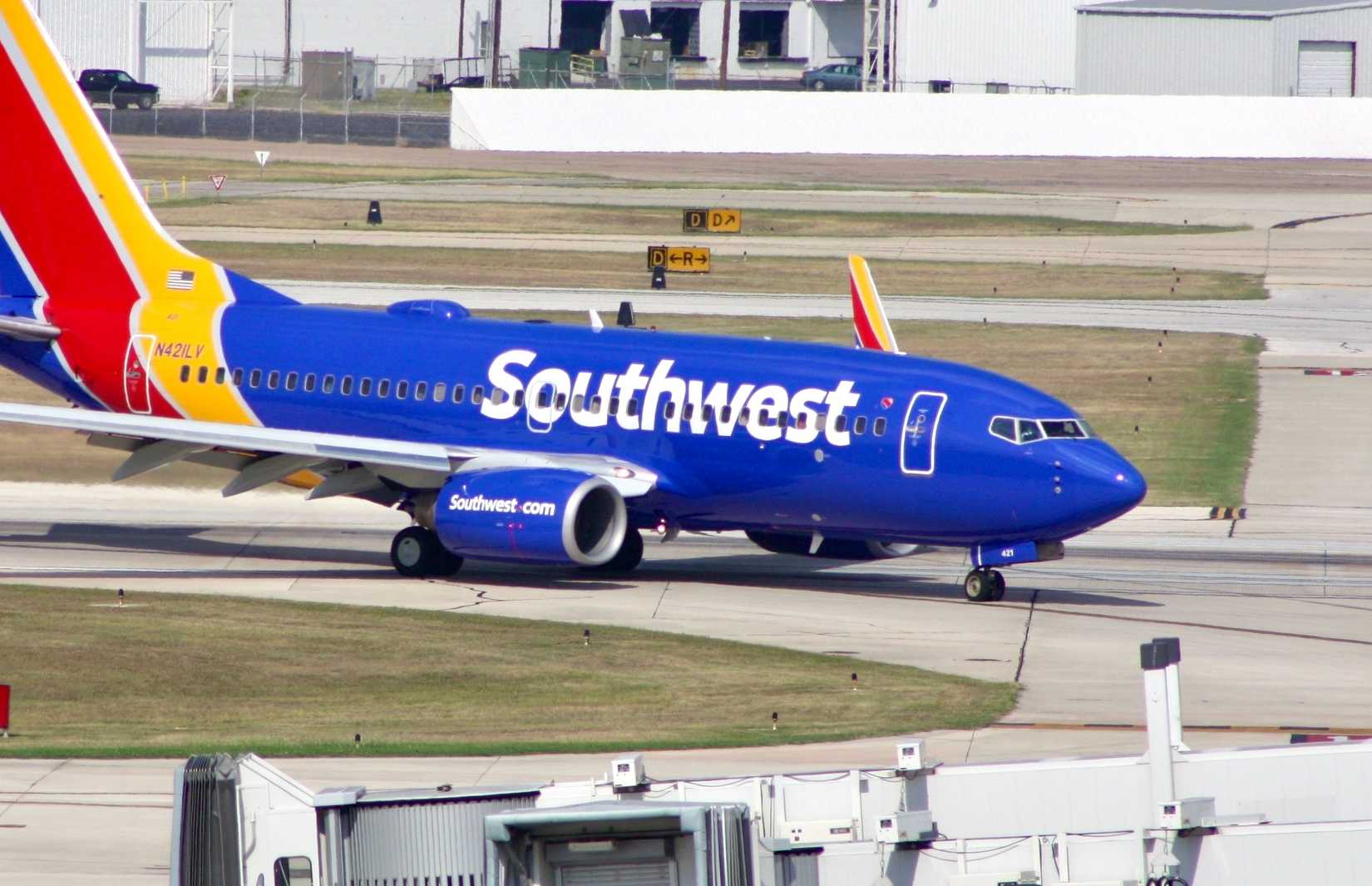
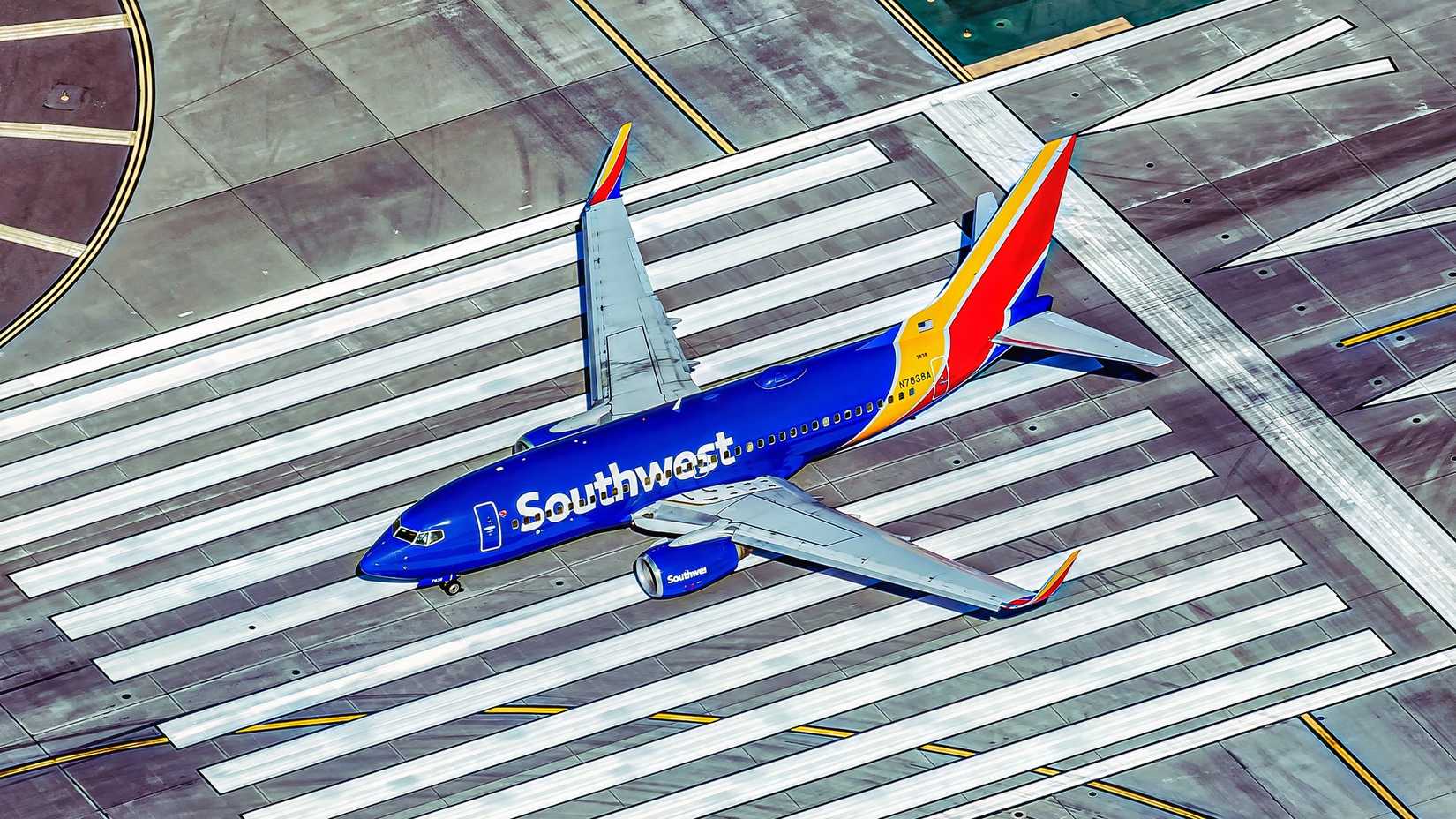
Southwest Airlines is actively removing a row of seats from its Boeing 737-700 fleet, deliberately reversing a $60 million densification decision made in 2012 that had increased per-aircraft capacity from 137 to 143 seats. The current retrofit program, which began in May 2025, takes those aircraft back to 137 seats to create space for a new extra-legroom product tied to the carrier's landmark shift to assigned seating. The original 2012 "Evolve" interior program was a textbook low-cost carrier efficiency play: slimmer, lighter seats reduced per-seat weight by approximately six pounds, cut fuel burn across the fleet, and generated an estimated $10 million annually in incremental ticket revenue from the six additional seats per 737-700. The project was completed within roughly 10 months by slotting aircraft into existing maintenance cycles, funded through operating cash flow with a total bill held to approximately $60 million by reusing existing seat frames. Fourteen years later, Southwest is intentionally accepting lower seat count in exchange for higher per-seat yield through premium cabin differentiation.
The strategic logic of this reversal is significant for operators tracking airline economics. Southwest's original single-cabin, open-seating model had no mechanism to charge meaningfully more for any specific seat, making raw seat count the primary lever for unit revenue improvement. That calculus has now inverted. By introducing assigned seating and a distinct extra-legroom tier, the carrier can generate yield differentiation that more than offsets the revenue lost from removing six seats per 737-700. This is the same revenue management architecture that legacy carriers and ultra-low-cost operators like Frontier and Spirit have exploited for years. Southwest is effectively acknowledging that its legacy product simplicity, while operationally elegant, left substantial revenue on the table in an era when passengers have demonstrated consistent willingness to pay for incremental comfort.
For professional pilots operating under Part 121, 135, or business aviation contexts, this development carries several operational and strategic implications. Cabin reconfigurations of this scale require FAA approval of amended Supplemental Type Certificates and updated weight-and-balance documentation, meaning affected 737-700 aircraft will carry revised operating limitations during the retrofit cycle. Flight crews transitioning between pre- and post-retrofit aircraft within the same fleet type should expect updated aircraft flight manual supplements and new emergency exit row configurations, particularly relevant for passenger briefings and emergency evacuation procedures. The addition of designated extra-legroom rows adjacent to exit rows also changes the passenger briefing and seating assignment dynamic for cabin crew, a procedural adjustment that airlines executing similar retrofits must account for in training curricula.
This move reflects a broader trend reshaping commercial aviation economics across all segments: the disaggregation of the base fare from ancillary revenue streams. Network carriers, ultra-low-cost carriers, and now the last major holdout of the open-seating model are all converging on a tiered cabin architecture that monetizes seat position, legroom, and boarding priority as standalone products. For business aviation operators and corporate flight departments, this convergence is worth monitoring because it continues to compress the comfort gap between premium economy cabin products and the lower end of the charter and private aviation market. As Southwest and similar carriers improve the front-cabin experience, the value proposition for upgrading to charter or fractional products must be increasingly justified on time savings, privacy, and schedule flexibility rather than comfort differentials alone. Southwest's willingness to shrink capacity in pursuit of yield is a leading indicator that the entire commercial aviation industry has moved permanently away from seat-count maximization as a primary profitability strategy.







 Read original article