TSA PreCheck Touchless ID Gets Major Expansion With New Google Wallet Option
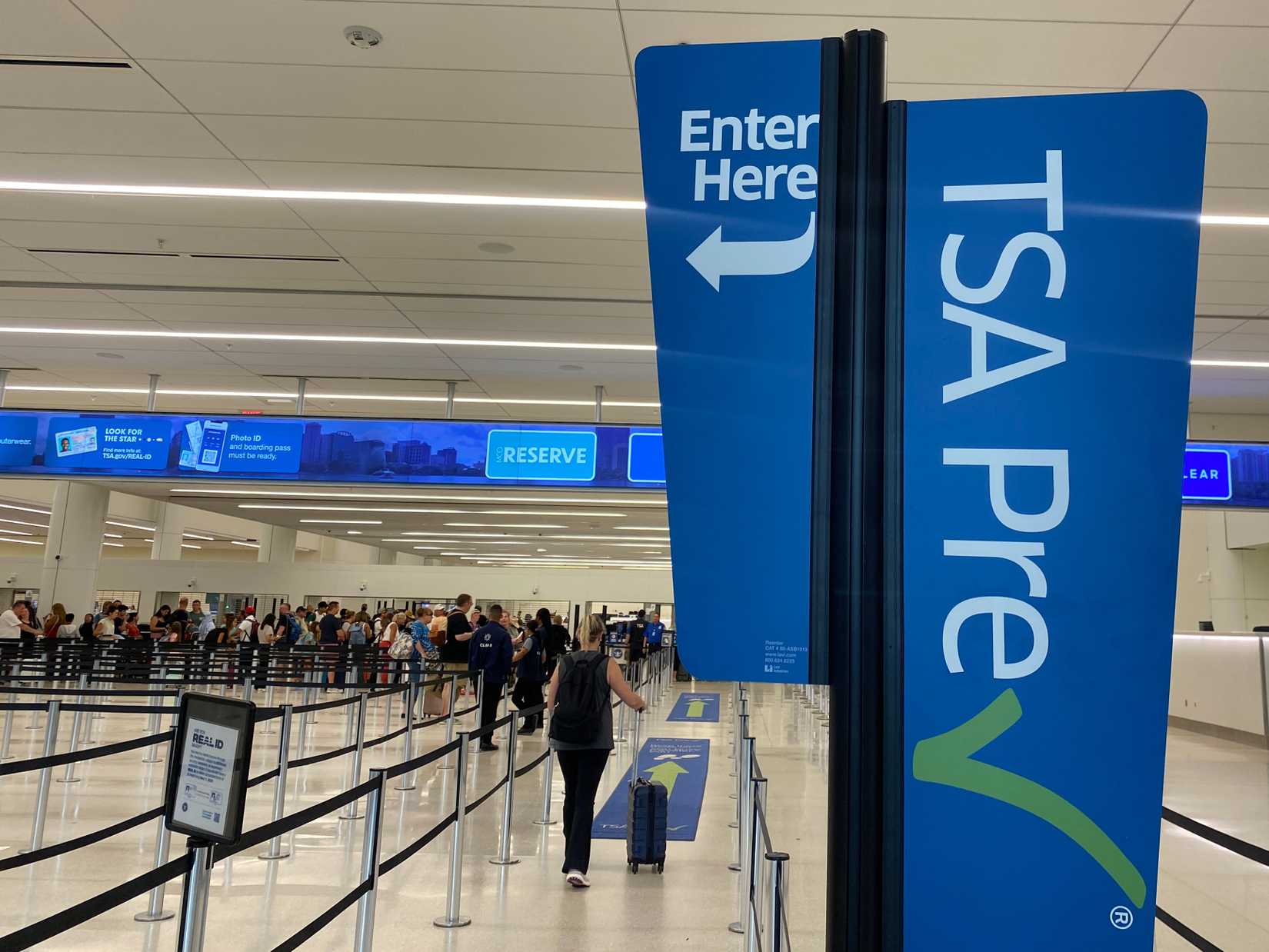
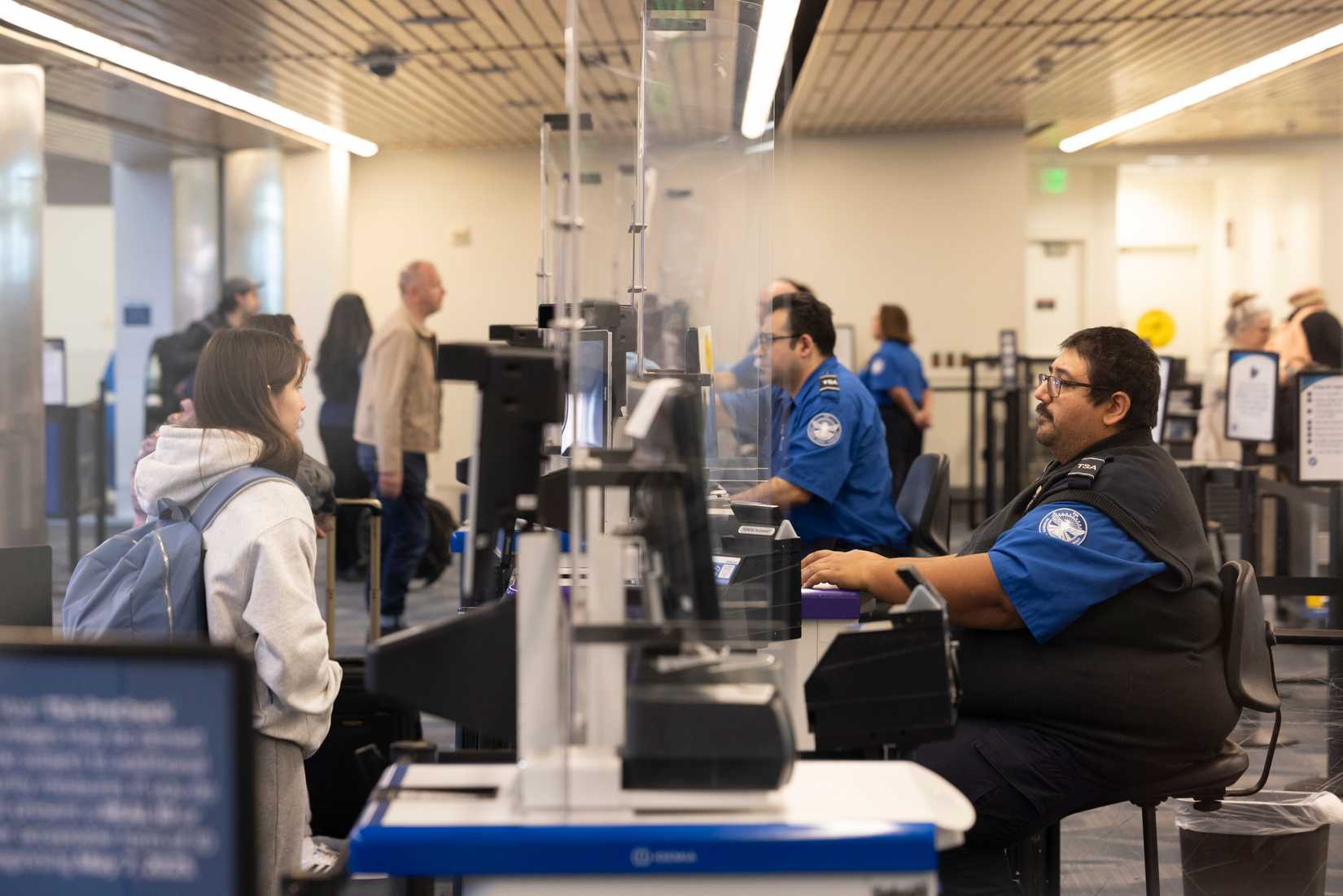
TSA's expansion of its PreCheck Touchless ID program through Google Wallet integration, announced June 24, 2026, represents the first time a digital wallet platform has been connected directly to the agency's biometric identity verification system. The partnership eliminates the fragmented airline-by-airline enrollment model that previously required frequent flyers to separately register through each carrier's profile system before accessing dedicated Touchless ID screening lanes. Under the new workflow, travelers create a digital ID in Google Wallet using a valid U.S. passport, check in with a participating airline, save their boarding pass to the wallet, and complete a single TSA consent authorization. The boarding pass is then updated with a Touchless ID indicator valid at participating checkpoints. The program now covers 65 airports and more than 100 airlines, with the Google Wallet rollout timed to precede peak summer travel volume.
For professional and corporate pilots who regularly transit major airports as passengers — deadheading crew, positioning for charter operations, or traveling between bases — this development carries direct operational relevance. The prior enrollment friction was a known deterrent to consistent use of Touchless ID lanes even among PreCheck-eligible travelers: a pilot flying Delta one week and United the next faced separate opt-in requirements through each carrier's digital ecosystem. The single Google Wallet enrollment pathway removes that friction and makes the biometric lane a reliable option regardless of carrier. However, TSA's advisory that travelers should continue carrying a REAL ID-compliant credential remains critical for professional operators, particularly those subject to strict departure timelines where a checkpoint complication — such as a temporary system failure requiring physical ID verification — cannot be absorbed without schedule impact.
The privacy architecture is also notable for an aviation professional audience that increasingly handles sensitive biometric and personal data in crew management contexts. TSA specifies that facial comparison images are deleted within 24 hours of scheduled departure, are not shared with law enforcement or third-party organizations, and are not used for surveillance purposes. Google's implementation keeps digital IDs encrypted on-device and requires user authentication before any data is transmitted. Participation remains voluntary with an explicit opt-in required at each eligible trip, rather than a standing authorization. These design choices reflect ongoing federal and industry pressure to make biometric systems auditable and consent-based, a standard that aviation security technology deployments will likely be held to as the technology scales.
The Google Wallet integration fits within a broader federal push to modernize identity verification infrastructure at U.S. airports, a trend that also encompasses REAL ID enforcement, mobile driver's license standards, and the TSA's parallel work with Apple Wallet and CLEAR. For commercial operators and flight departments, the practical implication is that passenger-facing security processing at major hubs is becoming faster and more predictable for PreCheck-enrolled travelers — a factor that marginally tightens ground time calculations for time-sensitive business aviation departures where passengers are clearing security close to departure. As TSA continues expanding Touchless ID airports and airline partnerships through 2026, the Google Wallet option positions biometric checkpoint access as a mainstream expectation rather than an early-adopter feature, accelerating the normalization of digital credential systems across the entire airport experience.







 Read original article