This Is Why The Boeing 777X Can't Be Powered By Any Engine Other Than The GE9X
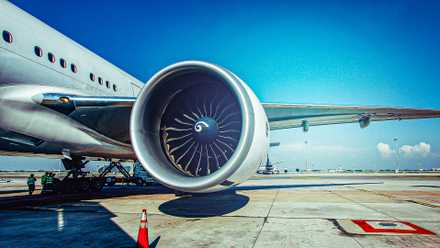
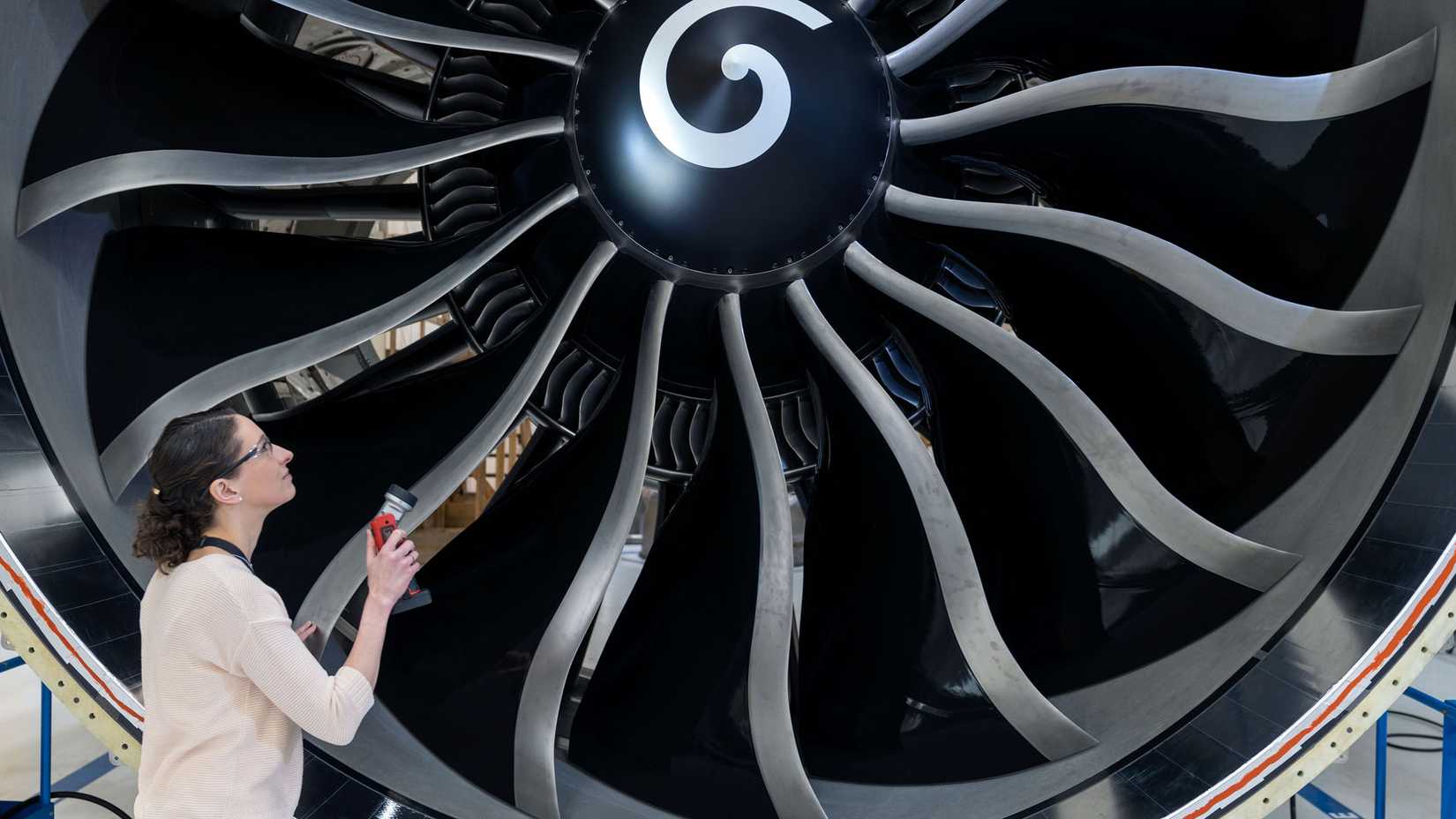
The Boeing 777X represents one of the most consequential examples of single-source engine dependency in modern commercial aviation history, built from the ground up around the General Electric GE9X in a way that makes any alternative powerplant technically and economically impossible. The GE9X's performance figures are extraordinary by any measure: certified thrust ratings around 105,000 pounds of force, with test cell outputs reaching 134,300 pounds, a 134-inch composite fan — the largest ever fitted to a commercial turbofan — a bypass ratio of approximately 10:1, and an overall pressure ratio of 60:1, a figure that has no precedent in civil aviation. GE Aerospace achieved that pressure ratio while simultaneously reducing fan blade count from 22 to 16 by advancing to fourth-generation carbon fiber composite blade technology, which lowers weight and drag while improving airflow uniformity. The result is a claimed 10% fuel burn reduction over the already-efficient GE90-115B that powers the 777-300ER, a margin that becomes economically decisive when multiplied across thousands of ultra-long-haul cycles operated by launch customers such as Emirates, Qatar Airways, Cathay Pacific, and Singapore Airlines.
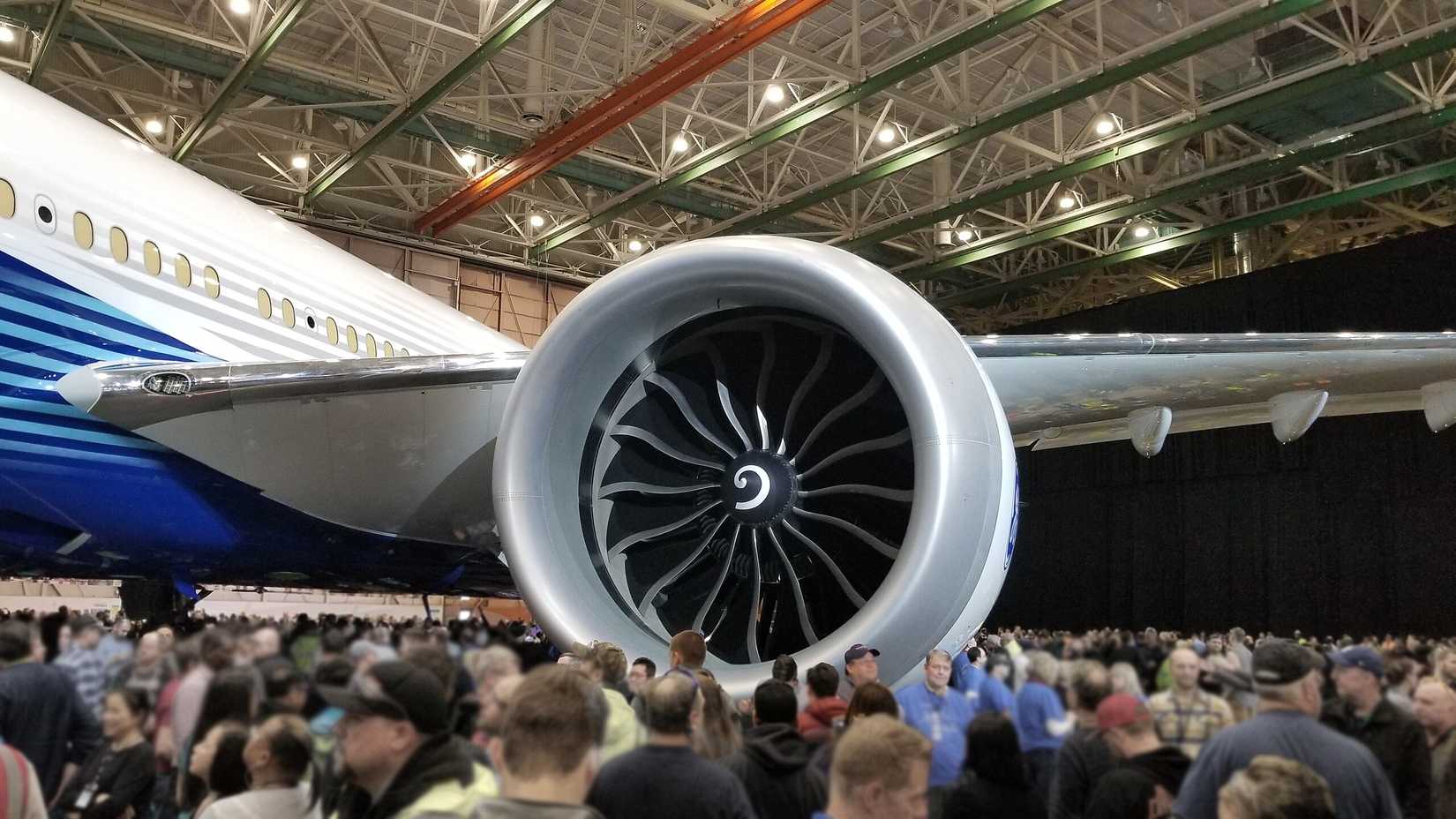
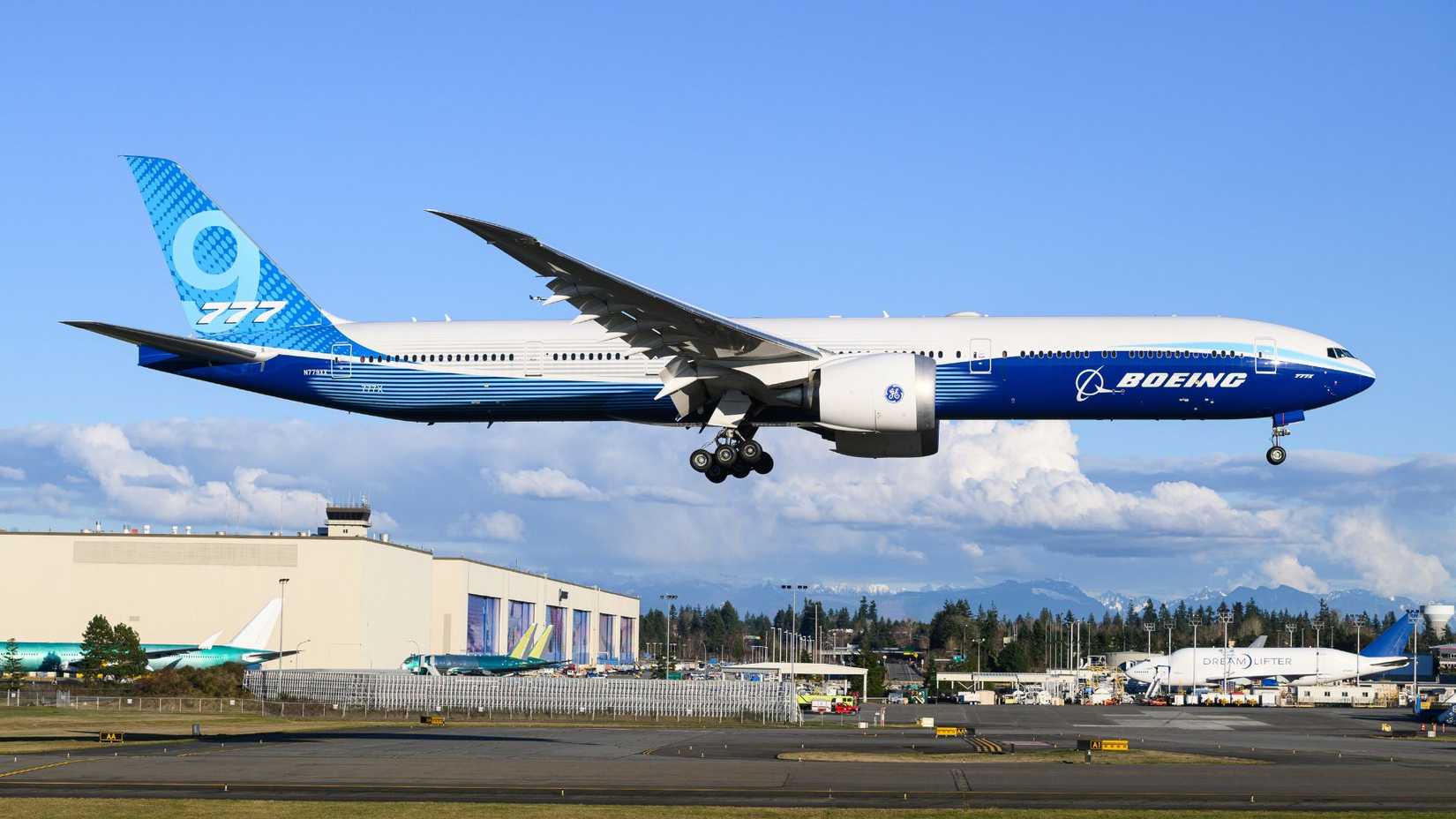
The exclusive GE9X arrangement is not simply a commercial preference but rather a consequence of deeply co-developed engineering. Boeing's 777X composite wing — including its folding wingtip mechanism, designed to allow the aircraft to use standard Category E gate infrastructure — was aerodynamically tuned in concert with the GE9X's nacelle dimensions, airflow characteristics, and weight distribution. The wing's spanload, its cruise-speed efficiency profile, and the placement and pylon geometry of the engine mounts were all shaped around a powerplant that did not yet exist in certified form when the 777X program was launched. No engine currently in production or advanced development at Rolls-Royce, Pratt & Whitney, or any other manufacturer is remotely configured to interface with that nacelle geometry, produce equivalent thrust at the required weight, or match the bypass ratio and fan diameter that Boeing's aerodynamic model was designed to exploit. This is a fundamental distinction from earlier Boeing widebody programs, where the 777 classic was offered with GE90, PW4000, and Trent 800 variants, giving airlines and lessors genuine competitive leverage in powerplant selection.
For airline flight operations departments, fleet planners, and maintenance organizations, the single-source engine arrangement carries significant implications that extend well beyond initial aircraft acquisition. Any 777X operator is entirely exposed to GE Aerospace's MRO pricing, shop visit availability, spare engine pool management, and long-term parts support trajectory. The risk profile is not hypothetical — the GE9X has already experienced compressor durability concerns during the protracted 777X certification process, contributing to Boeing's repeated schedule delays, with type certification not expected before late 2025 at the earliest under the most optimistic FAA timelines current as of mid-2026. For airline technical operations and reliability engineering teams, the absence of an alternative engine option means there is no fallback configuration if a fleet-wide airworthiness directive or unscheduled inspection campaign grounds a significant portion of GE9X-powered aircraft. Power-by-the-hour contract structures and comprehensive long-term service agreements with GE Aerospace become not merely commercially attractive but operationally essential under these conditions.
The broader trend the 777X and GE9X partnership illustrates is the accelerating consolidation of engine-airframe pairings at the large widebody tier, driven by the staggering cost of developing next-generation turbofan technology. The Boeing 787 divided its engine market between GE's GEnx and Rolls-Royce's Trent 1000, but even that bifurcated model produced serious operational disruption when Trent 1000 intermediate-pressure turbine blade cracking forced extended inspection intervals across the Rolls-Royce-powered 787 fleet between 2018 and 2021, effectively grounding portions of several carriers' long-haul networks. The Airbus A350 has evolved toward near-exclusive reliance on the Rolls-Royce Trent XWB. The GE9X-777X relationship takes that narrowing one step further to complete exclusivity at program launch, reflecting an industry-wide recognition that the engineering investment required to develop a powerplant capable of meeting modern ICAO emissions standards, airline efficiency economics, and FAA airworthiness requirements simply cannot be amortized across the kind of modest order books that competing engine programs at the top of the thrust scale would attract. For Part 91K and Part 135 operators in the business aviation sector, these dynamics at the transport category level are a leading indicator of similar consolidation pressures that will eventually reshape powerplant options across super-midsize and large-cabin business jet platforms as those aircraft generations mature.











 Read original article