Aviation Safety Archives - The Air Current
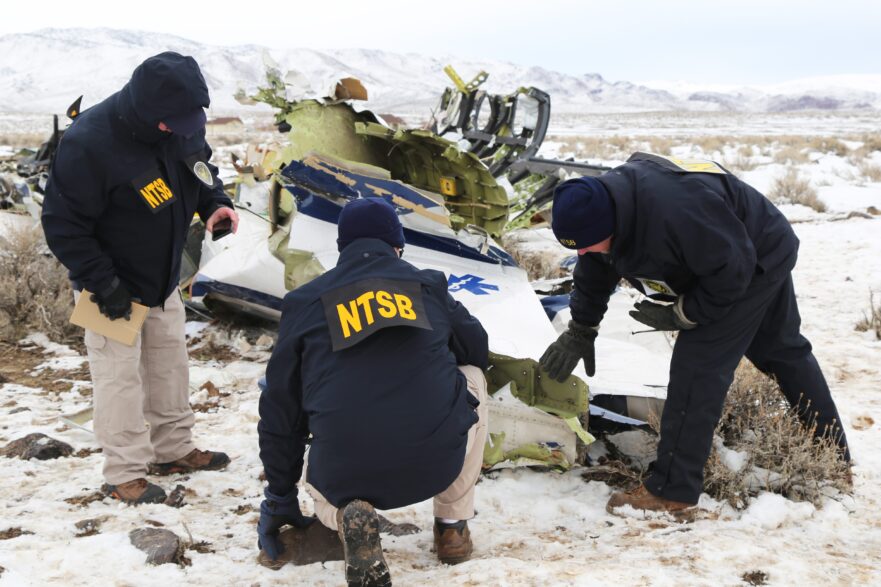
The Air Current's Aviation Safety archives represent one of the most technically rigorous bodies of ongoing aviation safety journalism available to industry professionals, covering the full spectrum of commercial aviation risk from Boeing 737 MAX design deficiencies to emerging eVTOL certification challenges. The publication, which launched around 2018 and operates on a subscription model, has built at least six pages of categorized safety content indexed through early 2026, drawing from NTSB preliminary reports, FAA airworthiness directives, and proprietary sourcing to deliver analysis that consistently outpaces general aviation media in technical depth. Its coverage of the 737 MAX crisis alone traces the full arc from the Lion Air Flight 610 accident in October 2018 through the Ethiopian Airlines Flight 302 crash in March 2019, the subsequent global grounding, MCAS software remediation, return-to-service conditions, and the lingering engine anti-ice certification issues that continued to delay 737 MAX 7 and MAX 10 type certification into 2026 — a timeline that remains directly relevant to operators evaluating fleet planning decisions around Boeing's narrowbody line.
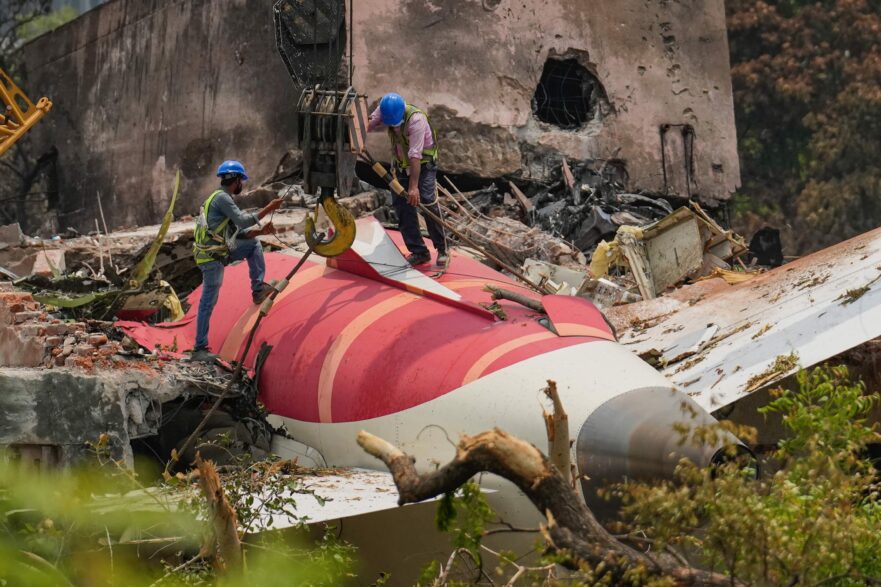
For working airline, corporate, and charter pilots, The Air Current's archives serve as a reference layer that bridges the gap between raw regulatory output and operational understanding. Coverage of the Haneda accident in January 2024, attributed to the compounding benefit of decades of integrated safety lessons, illustrates the publication's tendency to frame individual incidents within systems-level safety frameworks rather than assigning singular causation — an analytical approach aligned with how modern SMS programs and FOQA programs are structured. Similarly, its examination of the Air India crash investigation's focus on engine fuel control switches and the subsequent renewed debate over mandatory cockpit video recorders touches directly on questions of crew resource management accountability and regulatory modernization that affect every Part 121 and high-end Part 135 operation. The characterization of an NTSB preliminary report on a United Airlines incident as "uninformative" reflects the publication's willingness to hold regulatory and investigatory institutions accountable, a posture that informs how operators and safety officers should calibrate their own reliance on official preliminary findings.
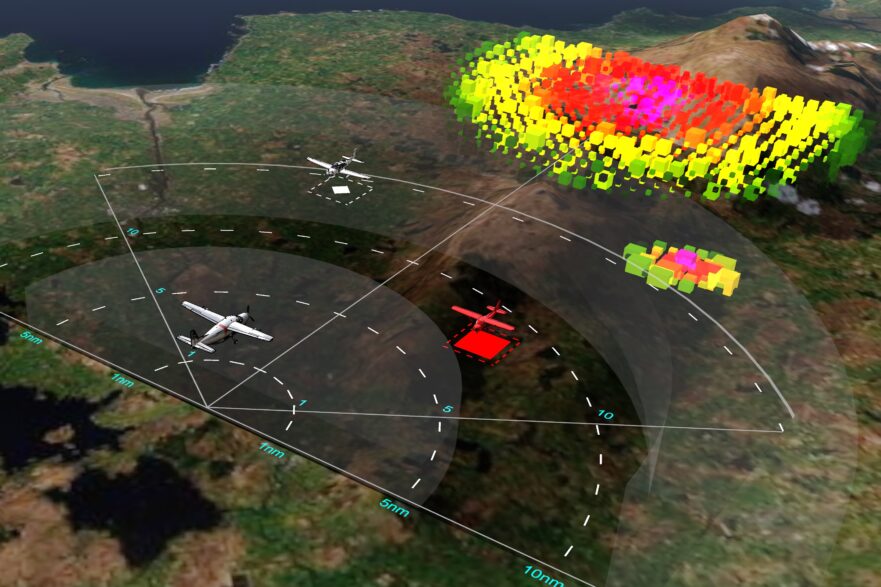
The archives also document a set of systemic FAA pressures that have direct implications for operators navigating certification timelines, ATC system reliability, and the valuation of safety investments. Coverage of Trump-era workforce disruptions, including questions about which roles qualify as "safety-critical" and associated risks of ATC sickout scenarios echoing the 2019 government shutdown, surfaces regulatory fragility that flight departments and schedulers must account for in contingency planning. The July 2025 coverage of decades-long debates over how aviation safety is valued economically connects to a broader policy question: whether the FAA's cost-benefit frameworks adequately reflect the operational and reputational risks that airlines and business aviation operators absorb when safety margins erode. The March 2026 introduction of new midair collision avoidance tools further underscores that the NAS is still actively evolving its foundational separation assurance infrastructure, a development of immediate relevance to IFR operations in high-density airspace.
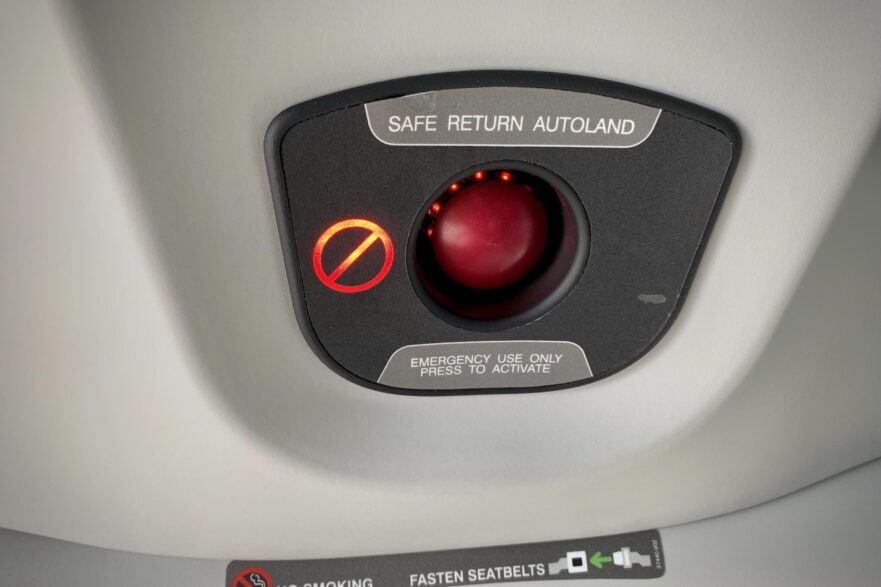
Emerging technology safety is increasingly prominent in the archives, reflecting the industry's transition period. Coverage of eVTOL crash safety standards, Vertical Aerospace's piloted transition program, and the transatlantic regulatory debate over airworthiness standards for electric aircraft signals that The Air Current is positioning its safety reporting to track the certification and operational integration of aircraft types that will eventually share airspace with legacy turbine operations. The Garmin Autoland deployment analysis — specifically its identification of accountability gaps when automation executes an emergency landing without crew input — previews the kind of human-machine interface and regulatory responsibility questions that will define the next generation of advanced avionics certification. Taken together, the archives constitute a living professional reference for any pilot or safety officer who needs not just to know what happened, but to understand why it happened, what systemic conditions made it possible, and what the regulatory and operational implications are going forward.