Airbus, Kasi Healthcare Seal Nigeria’s First H135 HEMS Deal
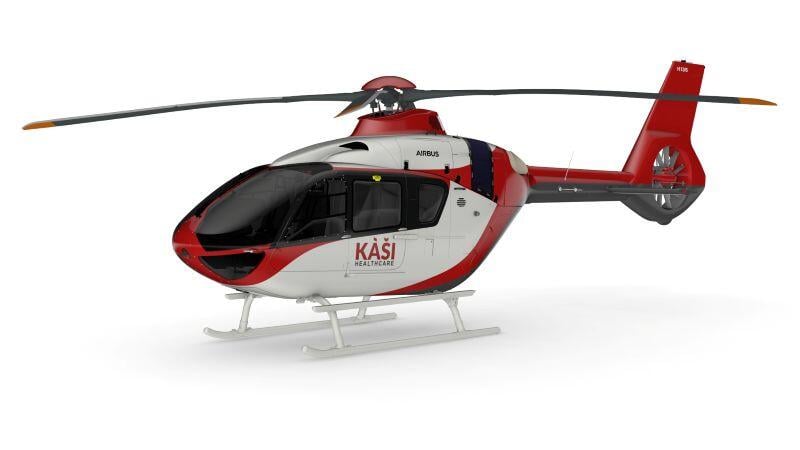
Airbus Helicopters and Kasi Healthcare have signed an agreement covering up to two H135 helicopters configured for Helicopter Emergency Medical Services, marking the first HEMS-specific H135 order in Nigeria's history. The deal positions Kasi Healthcare as a pioneer in establishing dedicated aeromedical rotorcraft capability in West Africa's largest economy, with the aircraft slated to support both civilian emergency medical response and operations tied to Nigeria's substantial oil and gas sector. Beyond the airframe sale, Airbus has committed to a broader capability-building package encompassing pilot and flight crew training, engineer development, and maintenance infrastructure—elements that are often as consequential as the hardware itself in markets where HEMS ecosystems are nascent.
For working pilots, particularly those in rotary-wing emergency medical services or considering international HEMS assignments, this deal signals the continued globalization of a mission profile long dominated by North America, Europe, and parts of Asia. The H135 has become something of an industry standard for EMS work worldwide, prized for its four-axis autopilot, Helionix avionics suite, compact twin-engine footprint, and cabin flexibility for stretcher and medical equipment configurations. Its selection by Kasi Healthcare reflects the same risk-mitigation calculus that has driven H135 adoption elsewhere: single-pilot IFR capability, reduced pilot workload through advanced automation, and a safety record that matters enormously in HEMS operations, historically one of the higher-risk segments of commercial aviation due to weather decision-making, unimproved landing zones, and night operations.
The Nigerian market context is significant for operators and manufacturers watching Africa's aviation growth trajectory. HEMS infrastructure across much of the continent remains underdeveloped relative to demand, with trauma response times in many regions still reliant on ground transport over poor road networks. Oil and gas operations in the Niger Delta and offshore fields have historically driven a modest but steady rotorcraft presence in Nigeria, primarily for personnel transport and logistics rather than dedicated medical evacuation. Kasi Healthcare's move to stand up a purpose-built HEMS operation, backed by Airbus training and maintenance support, suggests an attempt to professionalize emergency aeromedical response in a market where such capability could meaningfully affect trauma and critical-care outcomes, both for the general population and for the energy workforce operating in remote or offshore environments.
More broadly, the deal fits a pattern of OEMs pairing aircraft sales in emerging markets with substantial training and support commitments, recognizing that aircraft delivery alone does not create sustainable operations. For business aviation and helicopter operators eyeing growth in Africa, the arrangement offers a template: manufacturer-backed workforce development reduces the barrier to entry for operators lacking deep bench strength in HEMS-specific pilot and maintenance expertise. It also reinforces the H135's competitive position against rivals like the AW109 and Bell 429 in the light-twin EMS segment, particularly in markets where safety credentials and manufacturer support networks weigh heavily on procurement decisions. As African healthcare systems and energy operators continue investing in aviation-based response capability, this agreement may serve as a bellwether for further HEMS expansion across the continent.








 Read original article