Three Airports Receive New Surface Radars, FAA Says
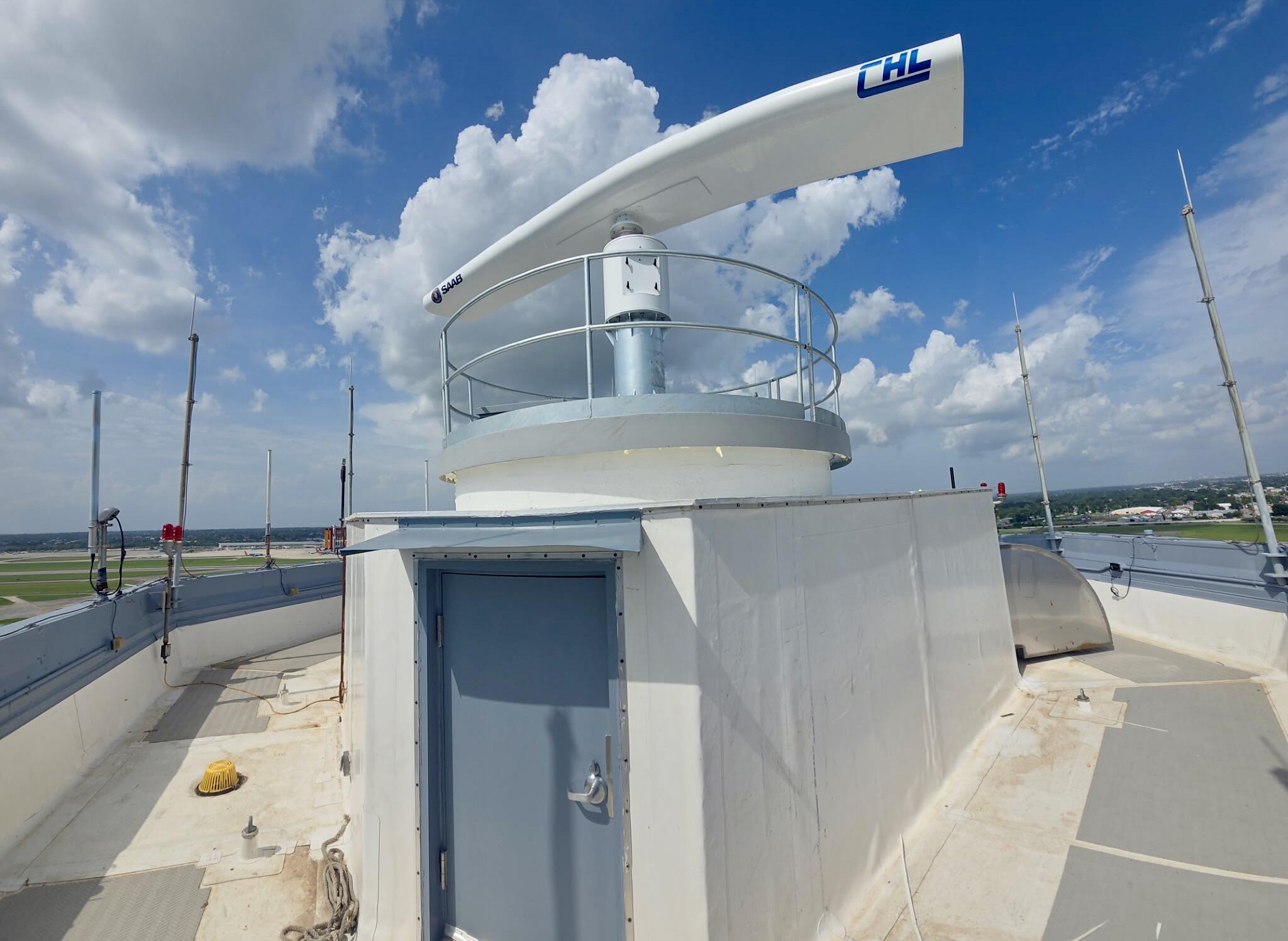
The FAA's rollout of new Surface Movement Radar-4 (SMR-4) systems at Louis Armstrong New Orleans International Airport (MSY), San Diego International Airport, and George Bush Intercontinental Airport (IAH) marks tangible progress on the Brand New Air Traffic Control System (BNATCS) initiative, a modernization effort now backed by $12.5 billion in funding from the 2025 One Big Beautiful Bill Act. SMR-4 serves as the primary noncooperative sensor within the FAA's Airport Surface Detection Equipment Model X and Airport Surface Surveillance Capability systems, fusing radar returns with ADS-B, Mode S, and multilateration data to give controllers a real-time picture of aircraft and vehicle movement on airport surfaces. IAH became the first site to bring a new SMR-4 online on Dec. 29, 2025, under a $267 million Saab USA contract awarded in September 2025 to replace radar systems at 44 airports and three support facilities. MSY's unit is expected to enter service later this summer, positioning it as the third operational site in what is ultimately a nationwide replacement program.
For working pilots, surface radar upgrades directly affect one of the most persistent risk areas in aviation: runway incursions and surface collisions. Legacy SMR systems at many large-hub airports date back decades and can suffer from degraded target resolution, weather-related performance issues, or maintenance-driven outages that force controllers to rely more heavily on visual scanning and pilot readbacks during low-visibility operations. A modernized SMR-4 improves detection fidelity for aircraft and ground vehicles in conditions where visual separation is compromised, which matters enormously for crews operating into busy Class B and C surface environments during fog, heavy rain, or nighttime low-visibility taxi operations. Airlines and business operators flying into MSY, IAH, and similar major hubs should see incremental improvements in ATC's situational awareness during ground operations, though the practical effect for flight crews will remain largely invisible unless surface incidents that would have otherwise occurred are instead caught and corrected by controllers.
The broader BNATCS program extends well beyond surface radar. The FAA's newly launched "Modern Skies" website reveals the scale and pace of the larger effort: 83 of 220 planned Surface Awareness Initiative (SAI) installations are complete (38%), a program that uses ADS-B data to extend surface-traffic awareness to airports lacking dedicated surface radar—typically mid-size regional and reliever airports serving significant general aviation and Part 135 traffic. Notably, SAI was initiated in June 2024 under the Biden administration, underscoring that BNATCS is as much a rebranding and acceleration of existing FAA modernization efforts as it is a wholly new initiative. Separately, the Radar System Replacement Program, which will replace primary and secondary surveillance radar systems under contracts awarded to Indra and RTX in December 2025, remains in its earliest stages, with only four of 612 planned systems deployed—less than 1%—and a completion target of June 2028. The stark contrast between SMR-4's steady early progress and the RSRP's minimal deployment rate illustrates the uneven pace typical of infrastructure programs of this scale, where sensor-specific contracts move at different speeds depending on procurement timing, site complexity, and integration requirements.
The 100th installation of a digital Voice Communication System (VCS), completed at the Grand Junction Regional Airport tower in Colorado, offers another data point on program momentum. Replacing analog systems dating to the 1990s, the digital VCS upgrade improves communication reliability between controllers, aircraft, adjacent facilities, and internal phone networks—infrastructure that, while unglamorous, underpins basic ATC functionality at towers nationwide. For pilots and flight departments tracking the pace of ATC modernization, the mix of milestones—rapid VCS rollout, moderate SAI progress, early-stage SMR-4 deployment, and nascent RSRP activity—suggests that BNATCS benefits will accrue unevenly across the network over the next several years. Operators flying into major hub airports with SMR-4 upgrades may see safety and efficiency gains sooner, while those relying on facilities awaiting SAI or primary radar replacement will continue operating under legacy surveillance capabilities for the foreseeable future. This uneven timeline reinforces the importance of pilots maintaining vigilant surface operation discipline regardless of ground infrastructure improvements, particularly as controller staffing shortages and airspace congestion continue to compound the operational risk that modernized surveillance systems are intended to mitigate.








 Read original article