Q1 Transactions Decline Belies A Strong Market
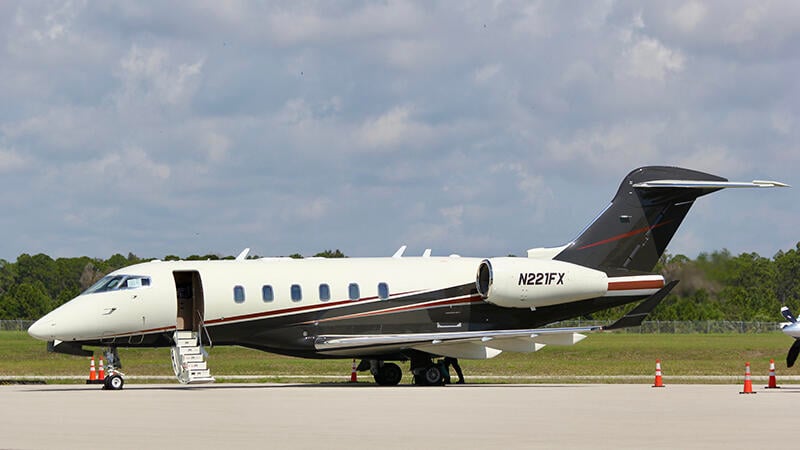
The pre-owned business jet market delivered a counterintuitive signal in the first quarter of 2026: transaction volume declined, yet analysts covering the sector are unanimous that this reflects tightening supply rather than softening demand. The dynamic is straightforward — with fewer late-model aircraft available for sale, fewer deals close, but the aircraft that do trade hands are commanding stable to appreciating values. Bombardier's Challenger 3500, which entered service in 2022, exemplifies the phenomenon: finding one on the pre-owned market is genuinely difficult because owners of the newest, most capable airframes have little incentive to sell into a market where replacement inventory is scarce and new-production slots remain backlogged years out. A quarter-over-quarter dip in closed transactions, in this context, is a symptom of a seller's market, not a buyer's retreat.
For operators, flight departments, and pilots tracking fleet planning decisions, this distinction matters considerably. A headline decline in transaction counts could easily be misread as the first crack in post-pandemic business aviation demand, prompting premature assumptions about softening utilization, hiring, or flight department budgets. The reality analysts describe — tight supply of late-model iron combined with firm or rising residual values — is actually a bullish indicator for owners and lessors, and it has direct operational consequences. Flight departments looking to upgrade or right-size their fleets are finding fewer choices among younger airframes with modern avionics suites, meaning longer search timelines, more competitive bidding, and less negotiating leverage on price. This also reinforces the value proposition of maintaining and upgrading current aircraft rather than assuming a replacement can be sourced quickly or cheaply, a consideration that flows directly into maintenance planning, avionics retrofit decisions, and even crew training timelines when a fleet transition gets pushed further out than expected.
The broader context here ties into trends that have defined business aviation since 2020: a surge in first-time buyers and upgraders during the pandemic depleted the pool of quality pre-owned inventory, and OEM production, while recovering, has not fully replenished the used market with enough trade-in activity to reverse that scarcity. Newer, more efficient models like the Challenger 3500 — an evolution of the 350 with updated cabin and avionics — are particularly scarce because buyers who invested in cutting-edge equipment are holding onto it, both for mission capability and because resale values have remained strong enough that there's little financial urgency to sell. This pattern mirrors what's been observed in adjacent markets, including certain segments of the airline used-aircraft and engine leasing markets, where supply chain constraints and OEM backlogs have similarly propped up values for existing assets.
For working pilots, particularly those flying for fractional operators, charter companies, or corporate flight departments, the practical takeaway is that fleet stability may persist longer than planning cycles anticipated, with implications for aircraft type currency, recurrent training scheduling, and the pace at which new cabin technologies or performance improvements filter into daily operations. Brokers and analysts will likely continue parsing quarterly transaction data carefully in the coming quarters, since headline volume figures alone can obscure the underlying health of a market where scarcity, not weakening demand, is the dominant force shaping pricing and availability.









 Read original article