Why The Boeing 757's Design Made It One Of The Only Narrowbodies That Could Fly Certain Transatlantic Routes
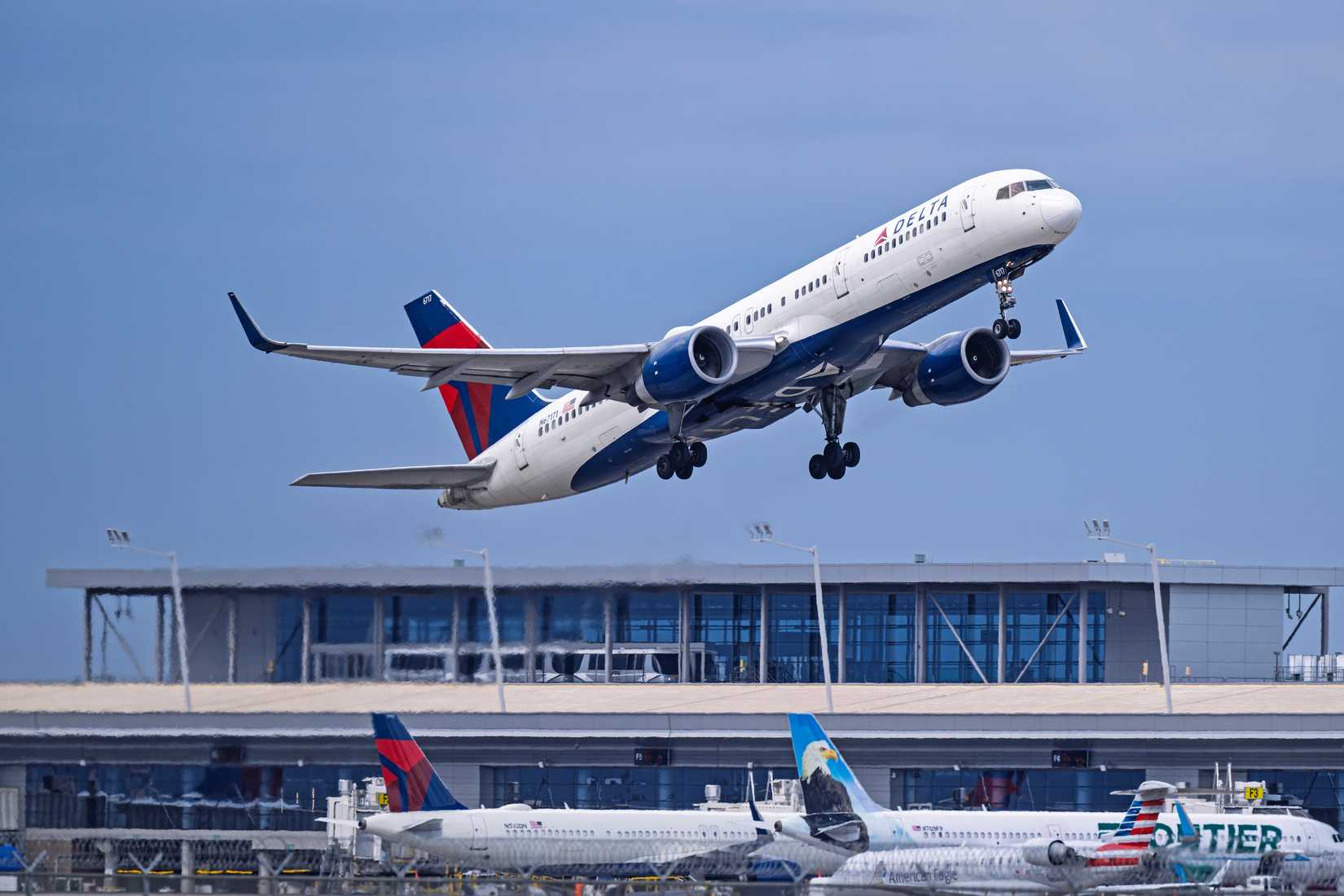
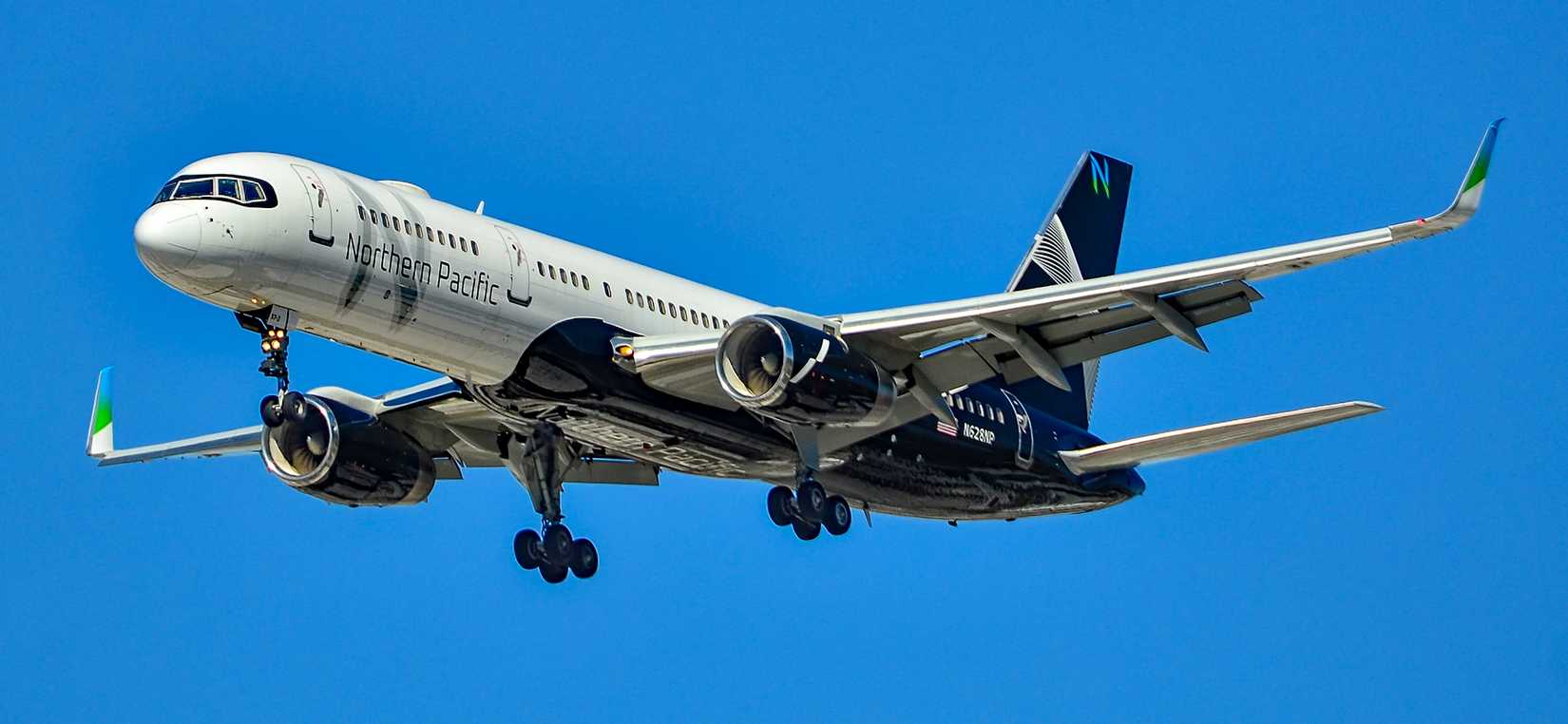
The Boeing 757's enduring reputation as an aviation engineering outlier stems from a fundamental design tension that Boeing's engineers solved better than perhaps any narrowbody manufacturer before or since: the ability to combine short-field takeoff performance with genuine long-haul, transatlantic-capable range. Developed under the 7N7 program as a 727 replacement, the 757 emerged with a supercritical wing swept at 25 degrees, full-span leading-edge slats, and double-slotted trailing-edge flaps that together delivered exceptional low-speed lift generation without sacrificing high-speed cruise efficiency at Mach 0.80. Paired with oversized Rolls-Royce RB211 or Pratt & Whitney PW2000 engines producing thrust roughly 1.5 times what an aircraft of its size would typically require, the 757 could depart max-weight from runways nearly 1,250 feet shorter than a 727-200 needed for equivalent-distance flights, while still climbing efficiently to altitude with a full transatlantic fuel load. That combination is precisely what allowed carriers to operate long-and-thin routes—city pairs with insufficient demand to fill a widebody but too far for a standard narrowbody—connecting secondary U.S. cities directly to European airports with shorter or more constrained runways.
For working pilots, particularly those who have flown or currently fly the 757, this design history explains behaviors and capabilities that show up daily in the flight deck: the aircraft's notably strong climb performance, its ability to get out of hot-and-high or noise-restricted airports with a full load, and its unusual power margins compared to contemporaries. The 757's ETOPS certification, granted a few years after entry into service, was the regulatory piece that unlocked the aerodynamic and propulsion advantages already built into the airframe, formally allowing extended twin-engine operations over water. Pilots who transition onto or off the 757 consistently note how the type's thrust-to-weight ratio and handling characteristics feel distinct from other narrowbodies, a legacy directly traceable to Boeing's design requirement that the aircraft serve simultaneously as a 727 replacement and a long-haul workhorse. Dispatchers and network planners similarly relied on the 757's unique performance envelope for decades to justify routes that no other single-aisle jet, and few widebodies, could support economically.
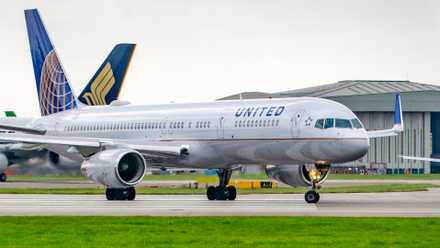
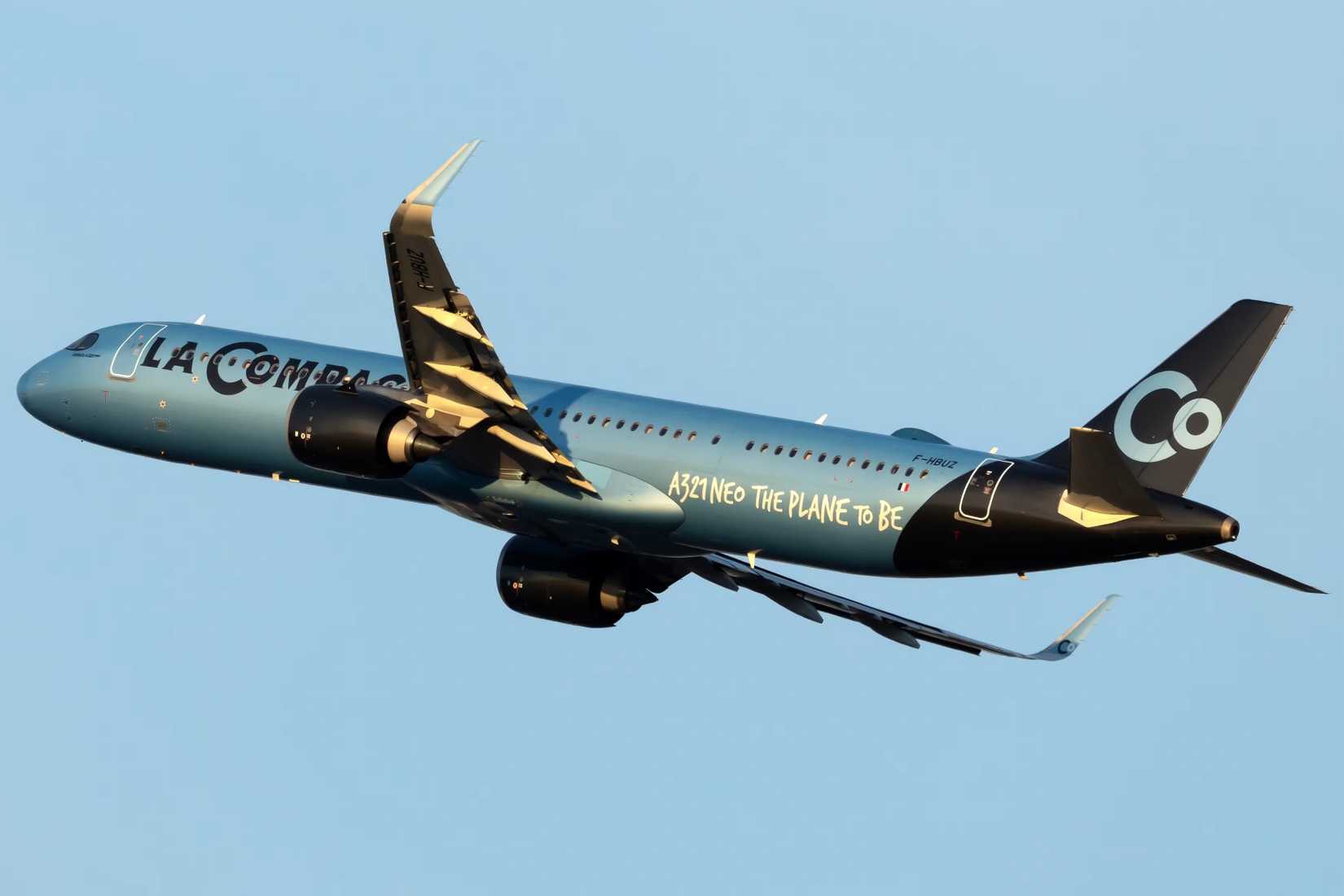
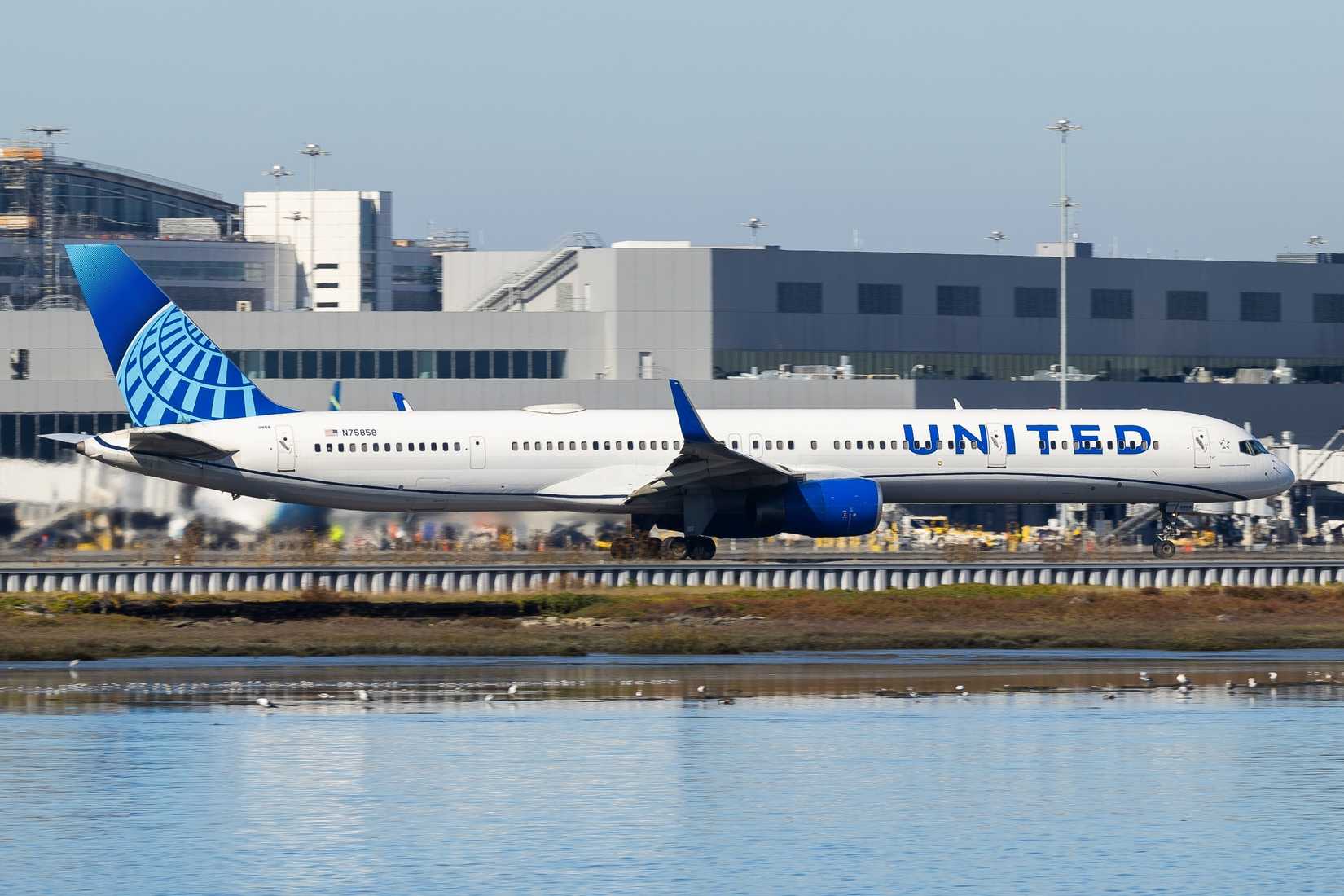
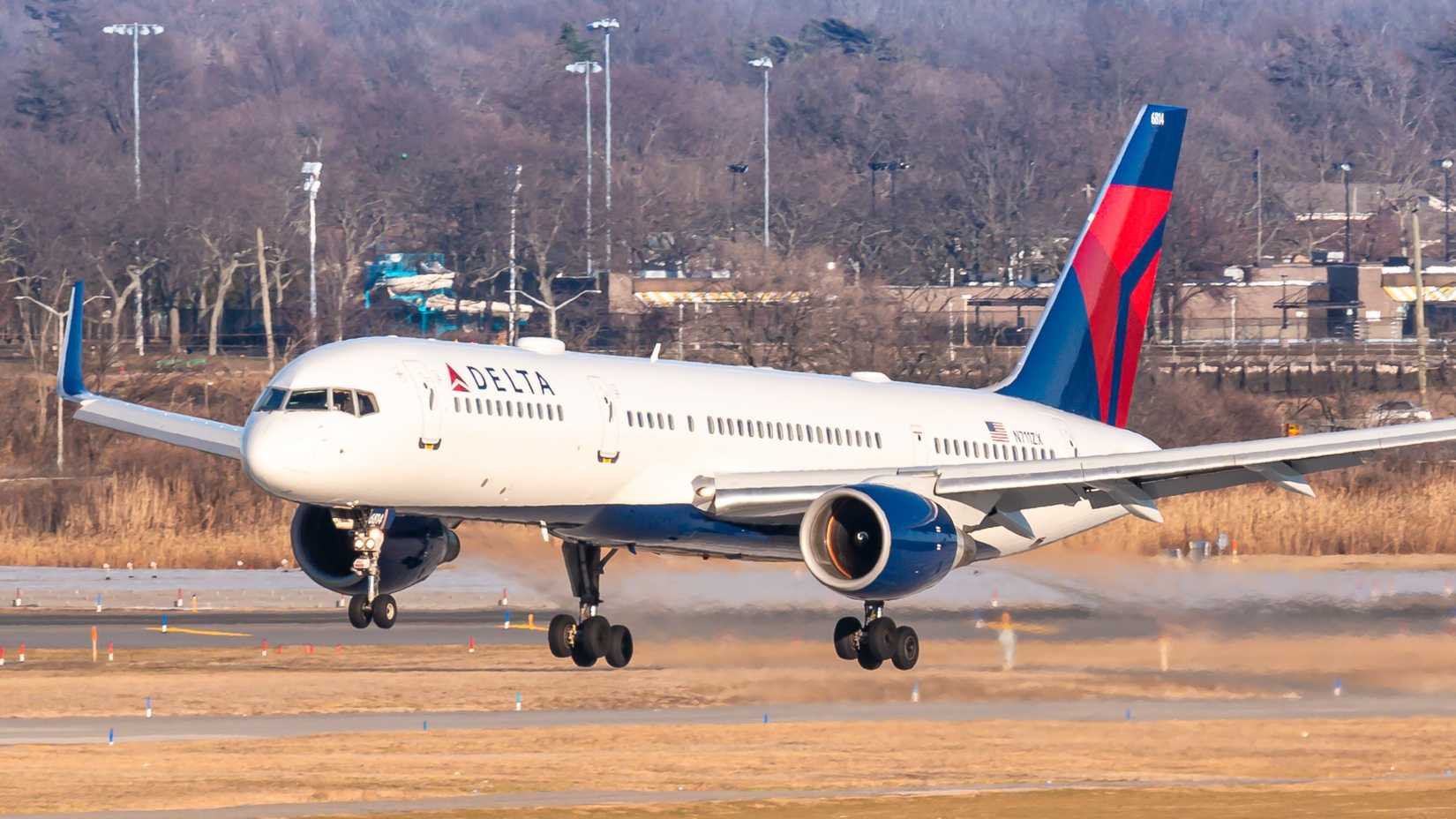
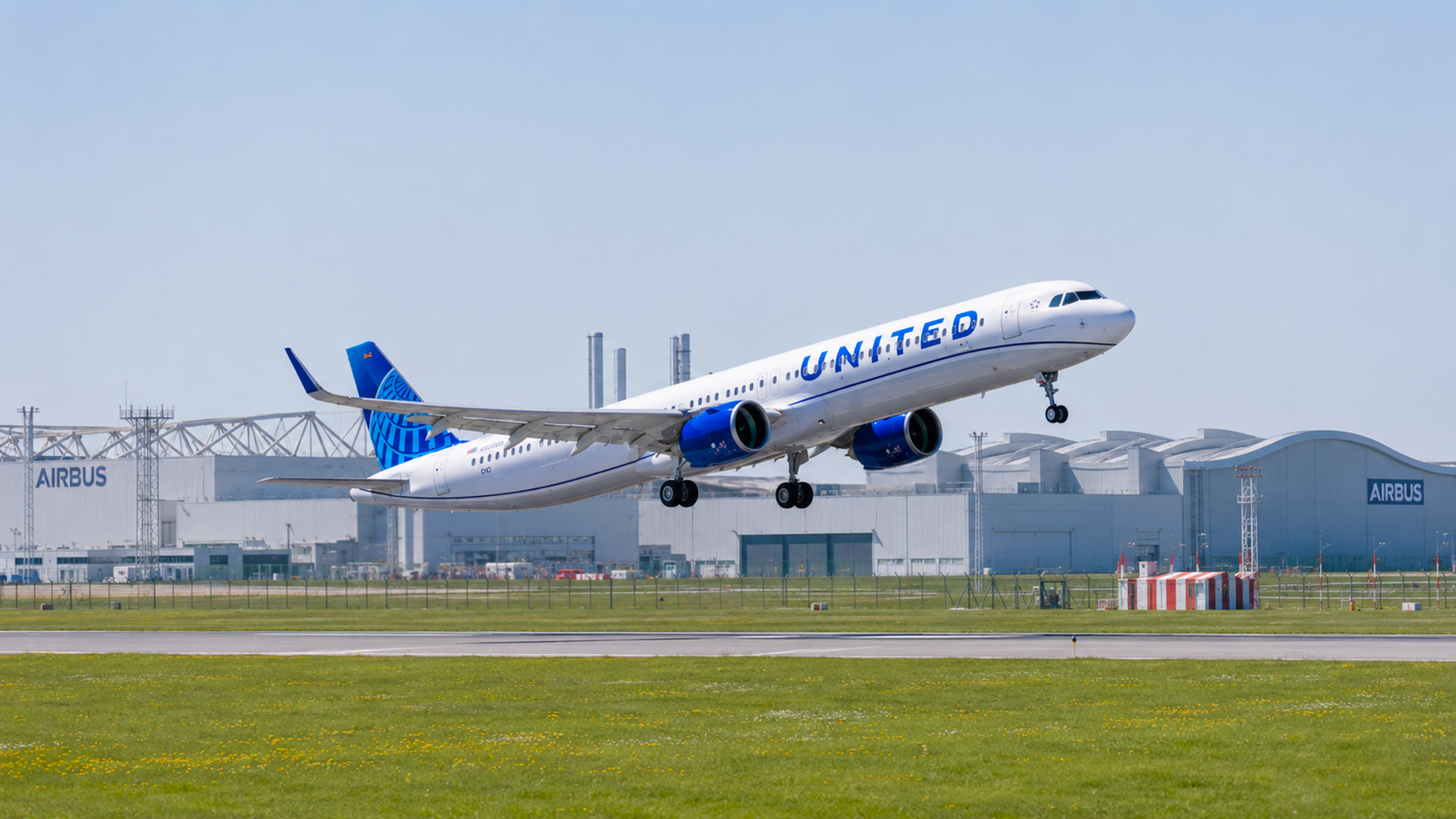
The broader relevance to today's industry lies in what has not been replaced. Delta and United remain the last significant passenger operators of the 757, both with retirement timelines in motion, yet no direct successor has fully replicated its combination of range, short-field capability, and payload flexibility. The Airbus A321XLR and Boeing's own 737 MAX variants extend range and improve fuel burn, but neither matches the 757's raw thrust surplus or its short-runway performance with a heavy transatlantic load—capabilities that were, in effect, over-engineered relative to strict commercial necessity at the time but became indispensable decades later. This gap is driving intense industry interest in how airlines will backfill long-and-thin transatlantic markets once the remaining 757 fleets are grounded, with the A321XLR positioned as the closest analog despite falling short on some performance margins. For pilots and operators tracking fleet transitions, the 757's design story is a reminder that aircraft engineered with substantial performance headroom often outlive their intended replacement cycles, and that market niches built around such headroom can be difficult to fill once the airframe finally retires.








 Read original article