Why The US Air Force Is Short 1,000 Fighter Pilots Despite A $50,000 Retention Bonus
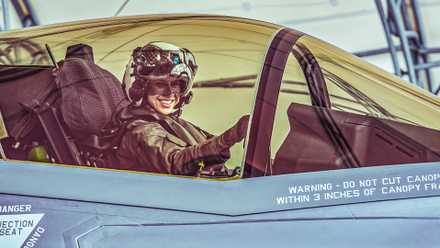
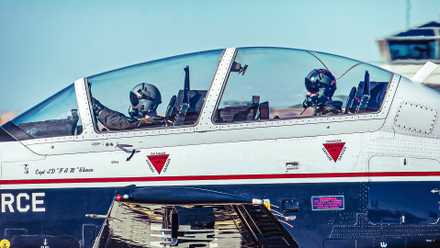
The U.S. Air Force's fighter pilot shortage has crystallized into one of the service's most stubborn readiness problems, with roughly 1,000 fighter pilot billets sitting empty despite a record $50,000 annual retention bonus that can total nearly $600,000 over a career. The Mitchell Institute's finding of a 25% vacancy rate across combat squadrons reflects a two-sided failure: the training pipeline produces only about half the 350-400 new fighter pilots needed annually to sustain the force, while just 35-40% of tactical airframe pilots choose to stay past the 10-year mark when their initial service commitment expires. This is not a new phenomenon, but the persistence of the gap despite escalating bonuses signals that the Air Force is now bumping against a structural compensation ceiling that money alone cannot fix.
The core issue is one every professional pilot will recognize instantly: career earnings trajectory. A senior USAF fighter pilot tops out around $200,000, while legacy carrier widebody captains at American, United, and Delta routinely clear $400,000 or more. Because airline seniority is fixed strictly by date of hire, every year a fighter pilot delays leaving the military to chase the bonus is a year of lost seniority progression that can never be recovered—affecting quality of life, base assignment, aircraft type, and lifetime earnings for decades afterward. This seniority mechanics reality, well understood in airline pilot circles, is precisely why a $50,000 annual bonus struggles to compete: it's a short-term patch against a compounding, irreversible financial opportunity cost. The article's point about airlines "closing the gap" by offering better financing for ab initio training and building more robust in-house pipelines (Republic's LIFT Academy, United's Aviate, Delta Propel) only sharpens this competition, since young pilots increasingly have viable paths to a major-carrier cockpit without ever touching military service.
Beyond compensation, the article highlights a readiness-multiplier problem that resonates with anyone who has flown in a chronically understaffed operation: senior fighter pilots reportedly spend up to 60% of their time on administrative duties rather than flying, and the shortage of instructors and flight leads forces the pilots who do stay to fly double the training sorties to qualify new aviators. This mirrors dynamics seen across corporate and regional aviation when staffing shortfalls create burnout spirals—the people who remain get worked harder, accelerating the very attrition the organization is trying to prevent. Compounding this, maintenance delays and parts shortages on the F-35 and slow F-15EX deliveries mean pilots who do stay are flying less than they'd like, further eroding the "romance of flying fighters" pitch the Air Force has traditionally leaned on when it can't compete on pay.
For working pilots and aviation operators, this story is a leading indicator worth watching closely. The military has historically been the primary pipeline feeding experienced, type-rated pilots into regional and legacy carriers; a shrinking, less-experienced USAF pilot corps means that pipeline will thin over the next decade, potentially intensifying the civilian pilot shortage debate at exactly the moment airlines are also managing a wave of mandatory retirements among 65-year-old captains. It also raises broader force-readiness questions with real strategic consequences—an Air Force short on combat-experienced instructors and flight leads has less capacity to maintain training standards, absorb high-tempo contingency operations, or generate reserves in a prolonged conflict. Expect continued institutional experimentation with autonomy, loyal wingman drones, and streamlined UPT/IFF pipelines as partial hedges, but as the article notes, these fixes take years to mature, meaning the manned fighter pilot shortfall is likely to remain a persistent talking point in defense and aviation labor circles for the foreseeable future.








 Read original article