How Much Do US Army Aviation Warrant Officers Make Compared To US Air Force Pilots In 2026?
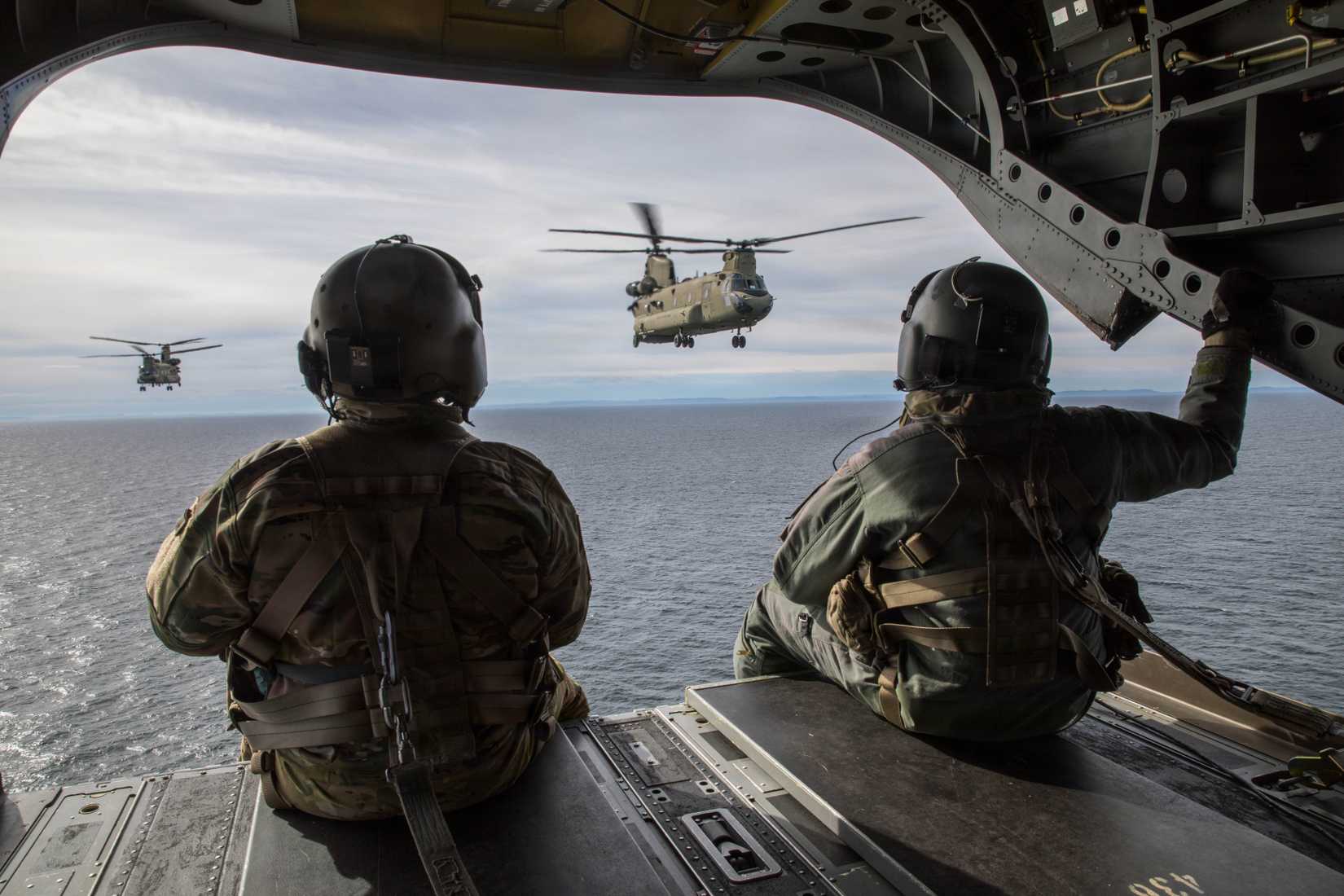
The pay disparity between US Army aviation Warrant Officers and US Air Force pilots in 2026 illustrates a fundamental structural difference in how the two branches build and compensate their flying forces, rather than any judgment about flying skill or mission difficulty. Army rotary-wing aviators enter as Warrant Officer 1 candidates directly from flight training, often after enlisted service, and progress through a technical track that tops out at Chief Warrant Officer 5. Air Force pilots, by contrast, must hold a four-year degree, commission as Second Lieutenants, and ascend the O-1 through O-6 commissioned officer scale, which is explicitly designed to route successful aviators into squadron command and higher leadership billets. Because the W-grade and O-grade pay tables are set by Congress with commissioned ranks positioned higher on the scale, Air Force pilots outearn their Army Warrant Officer counterparts at every career milestone, from the two-year mark through 20 years of service, even though flight incentive pay itself is identical across branches at $150 to $1,000 monthly based purely on years of aviation service.
For working pilots and military-to-civilian transition planners, this pay structure carries real career-planning implications. Army CW5s function as pure technical experts, serving as subject matter advisors to commanders without ever being pulled into administrative command roles, which appeals to aviators who want to maximize flight hours and cockpit time over a career rather than trade stick time for a desk. Air Force officers, conversely, accept lower relative flight-focused compensation in exchange for a leadership track that can lead to squadron command, wing command, and beyond — along with the administrative burden that comes with it. The retention bonus gap is equally significant: the Air Force can offer up to $50,000 annually and as much as $600,000 in career maximum bonuses to retain fighter and other high-demand pilots, roughly double what the Army offers its Warrant Officer aviators, reflecting both the higher cost of training fixed-wing tactical pilots and the intense competition for those aviators from the airline industry.
This compensation gap matters directly to the civilian aviation sector because military pilot retention has become a linchpin issue for airlines, cargo carriers, and business aviation operators facing sustained pilot shortages. When Air Force retention bonuses fail to keep pace with airline first-year pay and quality-of-life offerings, senior fighter and heavy-aircraft pilots increasingly separate at the 11-to-12-year mark, feeding the same major-carrier hiring pipelines that also recruit heavily from Army rotary-wing ranks. However, the transition pathway is far from equal: Air Force pilots flying heavy cargo and tanker aircraft translate almost seamlessly into airline multi-crew, fixed-wing operations, while Army helicopter Warrant Officers often must pursue additional fixed-wing type ratings or pivot toward the growing corporate/EMS helicopter, offshore, and utility rotary-wing sectors rather than Part 121 airline flying. This bifurcation has helped fuel the current shortage of qualified helicopter pilots in EMS and utility operations even as fixed-wing airline hiring has cooled slightly from its post-pandemic peak.
Broadly, this pay comparison reflects an ongoing tension across all branches between retaining technically proficient aviators and grooming future leadership, a tension that increasingly collides with civilian aviation's ability to offer immediate high pay without the years-long leadership obligations of military commissioned service. As airlines, fractional operators, and corporate flight departments continue to compete for experienced pilots, military compensation and bonus structures will remain a key variable shaping how many aviators stay in uniform through 20-year retirement eligibility versus separating early to capture civilian salaries, a dynamic that directly affects the pipeline of experienced military-trained pilots flowing into every segment of US commercial and business aviation.







 Read original article