Duncan Aviation opens 36,000sqft engine overhaul shop at Lincoln HQ | Corporate Jet Investor | CJI news
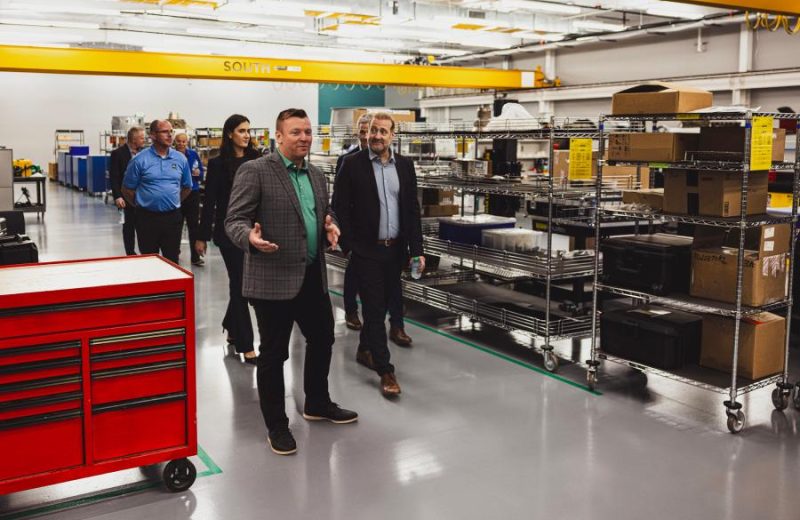
Duncan Aviation's dedication of a 36,000-square-foot expansion to its Turbine Engine Overhaul Shop in Lincoln, Nebraska represents a significant capacity investment in the business aviation MRO sector at a time when engine shop visit demand continues to outpace available slots industry-wide. The new facility adds twelve dedicated maintenance bays, a new Atec-supplied test cell and control room, expanded backshops with advanced tooling, a parts warehouse, and a 12,000-gallon fuel system built for continuous test cell operations. Sixteen overhead cranes rated from one to two tons round out the physical infrastructure needed to handle large engine components safely and efficiently. As a Designated Overhaul Facility for Pratt & Whitney's PW300 and PW500 lines, Duncan is positioning itself to absorb more volume from an already strained global engine aftermarket while shortening turnaround times for existing customers.
For flight departments and operators flying Falcon 2000-series aircraft, the Falcon 7X, Learjet 60, Phenom 300, or Citation Bravo, this expansion carries direct operational relevance. PW300 and PW500 engines power a substantial swath of the midsize and light-midsize business jet fleet, and engine shop capacity constraints have been a persistent pain point for owners and operators scheduling scheduled overhauls, hot section inspections, or unscheduled removals. Extended turnaround times translate directly into aircraft-out-of-service days, which for Part 91 and Part 135 operators means lost revenue, charter availability gaps, and scheduling headaches for flight departments trying to maintain dispatch reliability. A dedicated, higher-capacity facility from an established, reputable MRO player like Duncan gives operators another lever to pull when negotiating turnaround commitments, potentially easing some of the bottleneck pressure that has built up across the business aviation maintenance ecosystem in recent years.
The investment also reflects broader trends reshaping the MRO landscape. Business aviation utilization rates have remained elevated relative to pre-pandemic norms, driving more flight hours and more engine cycles across the in-service fleet, which in turn accelerates the pace at which aircraft reach scheduled overhaul thresholds. OEMs and independent MROs alike have been responding with facility expansions, new tooling investments, and OEM-authorized designations to capture this demand, and Duncan's move to formalize its DOF status for both PW300 and PW500 lines while simultaneously scaling physical capacity signals confidence that this demand cycle has staying power rather than representing a temporary post-pandemic bubble. The presence of both Pratt & Whitney and Rolls-Royce representatives at the dedication ceremony also suggests Duncan is cultivating relationships that could extend its authorized service scope further down the road.
Finally, this expansion underscores Lincoln's continued importance as a hub for business aviation maintenance, repair, and overhaul work, reinforcing Duncan Aviation's reputation as one of the largest independent MRO providers in the industry. For operators evaluating engine program enrollment options, choice of overhaul shop, or long-term maintenance planning, the added capacity and infrastructure at Lincoln represent a tangible option for reducing aircraft downtime risk. As fractional operators, charter companies, and flight departments continue to prioritize dispatch reliability and predictable maintenance scheduling, facility investments of this scale from established players like Duncan Aviation are likely to remain a recurring theme across the business aviation maintenance sector, particularly as engine OEMs push more overhaul work toward designated facilities capable of handling growing volumes without sacrificing quality or turnaround performance.