Analysis Archives - The Air Current
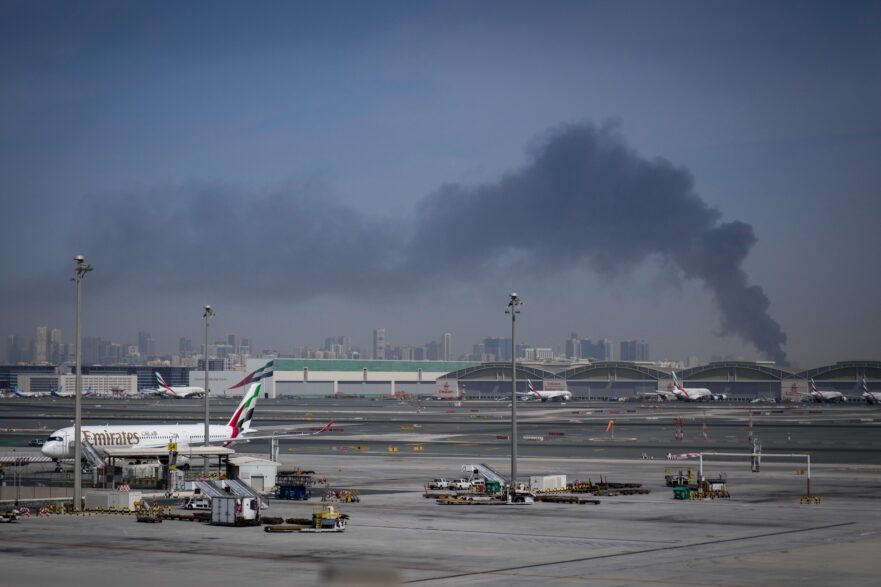
The Air Current's analysis archive represents one of the most concentrated bodies of aviation industry intelligence available to professionals operating in commercial and business aviation, spanning a period from late 2022 through early 2026 that encompassed some of the sector's most consequential structural shifts. The headlines visible across this archive trace a clear through-line: an industry emerging from pandemic-era disruption only to face a compounding sequence of financial, geopolitical, and manufacturing headwinds. The most recent entry, Jon Ostrower's March 2026 analysis of Iranian strikes and their consequences for commercial aviation, underscores a persistent vulnerability that operators have confronted repeatedly in recent years — that geopolitical instability translates directly into airspace closures, route restructuring, insurance premium spikes, and schedule volatility for carriers operating in or near contested regions.
The archive's coverage of Boeing's prolonged machinist strike — examined through 16 years of production data in October 2024 — reflects a broader crisis in North American aircraft manufacturing that has had downstream effects on fleet planning, delivery timelines, and labor economics across the industry. For operators relying on 737 MAX, 787, or 767 freighter deliveries, the strike compounded what were already significant backlogs. The parallel headline noting that Boeing had effectively ceded the long-haul narrowbody market to Airbus represents a strategic inflection point with long-term implications for fleet commonality, crew training pipelines, and maintenance infrastructure at carriers of all sizes. Part 135 and business aviation operators are not insulated from these dynamics, as aircraft availability and residual values are tied to the broader manufacturing output of both OEMs.
On the financial side, The Air Current's analysis of rising interest rates and their effect on aircraft lessors is directly relevant to fleet operators and flight departments making acquisition decisions under Part 91K and 135 certificates. Lessor financing costs flow through to lease rates, and during the 2023–2024 rate environment, operators faced meaningfully higher carrying costs on both new and used iron. The separate piece on ULCC business model fragility — characterizing it as structurally Ponzi-like — proved prescient, as several ultra-low-cost carriers subsequently contracted or restructured, tightening capacity in leisure markets and shifting fare dynamics in ways that affected regional feed and codeshare structures used by legacy and regional operators alike.
The archive's treatment of the 50-seat regional jet problem in the United States identifies a structural workforce and equipment gap that continues to constrain connectivity at smaller airports. The regional pilot shortage, scope clause limitations, and aging CRJ and ERJ fleets have forced mainline carriers to pull service from dozens of markets, with downstream consequences for corporate flight departments and charter operators who position aircraft to serve those underserved routes. The widebody recovery analysis from late 2022 and early 2023, meanwhile, documented the uneven return of long-haul international flying, a trend that has since matured into full widebody network restoration but remains sensitive to the kind of geopolitical disruption flagged in the publication's most recent analysis. Taken together, the archive functions as a longitudinal record of how macroeconomic forces, manufacturing dysfunction, and global instability continue to reshape the operating environment for every segment of professional aviation.