Aircraft Production Archives - The Air Current
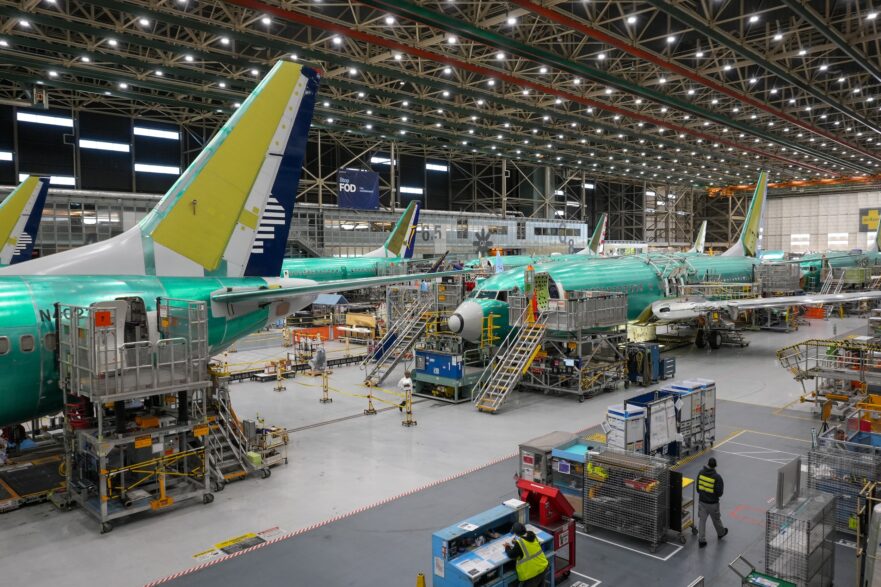
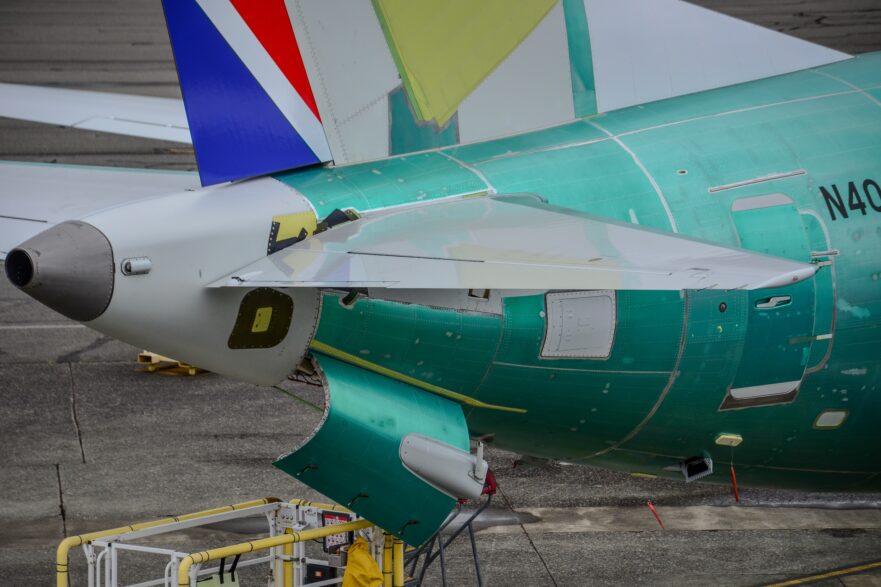
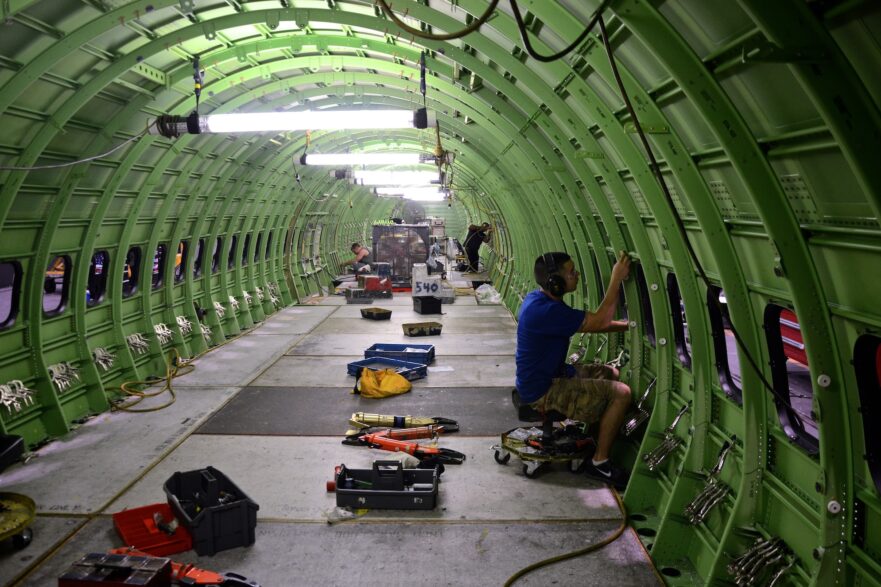
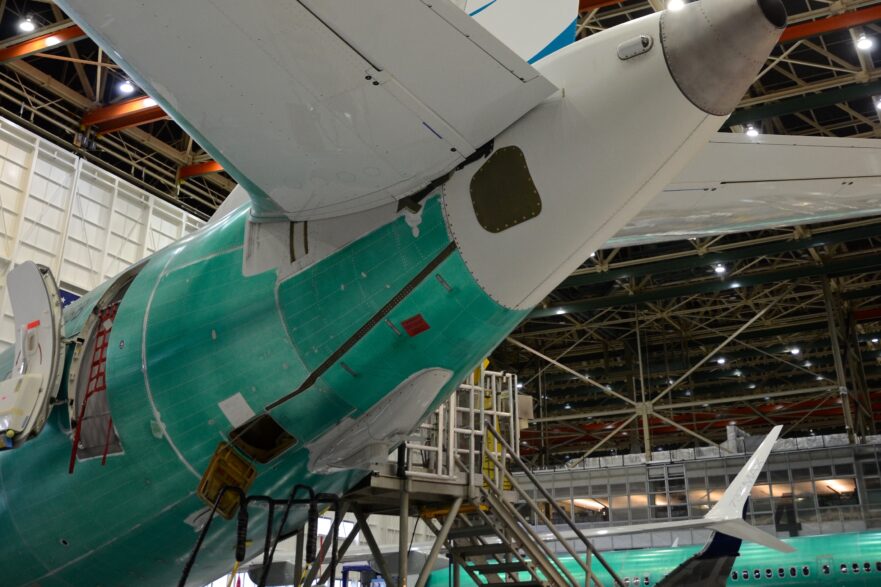
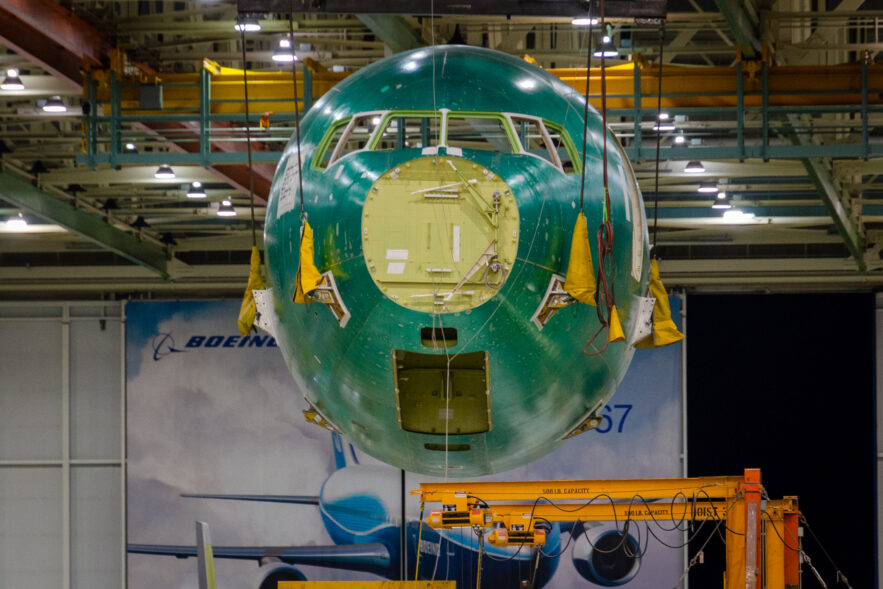
Boeing's 737 Max production recovery from its post-grounding and post-pandemic lows has been the dominant storyline in commercial aircraft manufacturing through 2024 and into 2026, marked by a series of self-inflicted quality setbacks that repeatedly delayed the program's trajectory back to competitive output rates. The Air Current's archive documents the compounding nature of these challenges: misdrilled aft pressure bulkhead holes discovered in August 2023 affected 19 fuselages and forced expanded Spirit AeroSystems inspections across approximately 50 aircraft before a streamlined FAA-approved inspection process was established by November of that year. A January 2024 door plug blowout on an Alaska Airlines 737 Max 9 then invited renewed FAA production scrutiny, effectively capping Renton output at rates well below Boeing's commercial ambitions. The milestone announced in June 2025 — rolling out the first Max produced at a 38-per-month rate — represents meaningful progress, though it remains significantly below the aggressive target of exceeding 50 per month by late 2025 that Boeing outlined in December 2024.
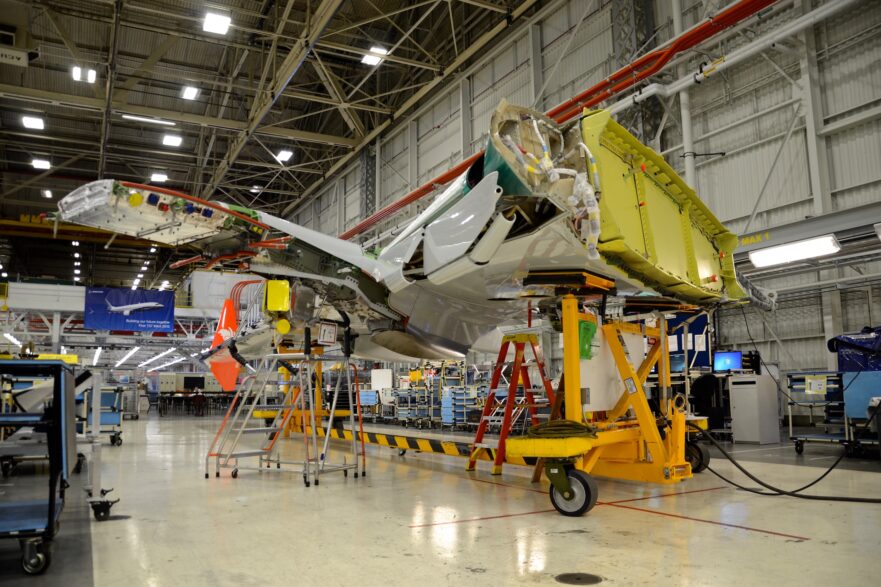
Wing production has emerged as the most immediate structural constraint on the 737 Max ramp, with Spirit AeroSystems' Belfast facility creating bottlenecks at Boeing's final assembly line independent of the fuselage-quality issues that dominated earlier headlines. A March 2025 Air Current analysis described the overall ramp-up situation as "fragile," a characterization that reflects the interconnected vulnerabilities of a narrowbody supply chain still absorbing the effects of the IAM District 751 strike that halted Renton and Everett production for seven weeks in late 2024, costing an estimated $6 billion and pushing critical milestones into 2025 and beyond. For airline operators and their flight departments, these delays translate directly into deferred fleet renewals, extended operation of older-generation aircraft with higher fuel burn profiles, and prolonged exposure to parts and maintenance sourcing pressures for types being phased out. Part 121 carriers with large Max orders on backlog — a total exceeding 5,000 units — face the most acute planning uncertainty, but the ripple effects extend to wet-lease markets and regional feed relationships that depend on network capacity growth.
The retirement of what The Air Current characterizes as likely the last Boeing 777-300ER delivery marks a significant inflection point for widebody aviation, closing out a program that defined long-haul operations for two decades and delivered 833 airframes. The -300ER's retirement from production occurs as airlines transition to the 777X, a program itself beset by certification delays, and as the 787 Dreamliner's South Carolina final assembly line ramps toward 10 per month on the -9 and -10 variants. For operators flying the 777-300ER — including numerous international flag carriers and corporate flight departments operating converted freighter variants — the end of production signals a maturing secondary market for parts and MRO services, and it elevates the strategic importance of maintenance planning for an aging fleet that will remain in service for years without new production support.
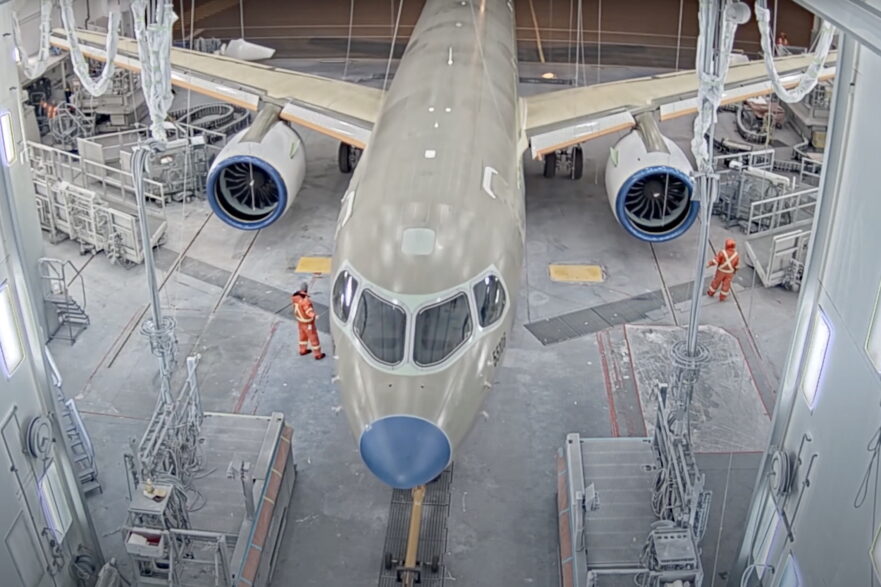
On the Airbus side, the A220-500's launch timeline — now explicitly contingent on A220 family-level profitability per CEO Guillaume Faury — reflects a broader strategic discipline that contrasts with Boeing's more reactive posture during the Max crisis years. Airbus has scaled A220 production at Mirabel to 14 aircraft per month across the -100 and -300 variants, and a stretched -500 capable of 5,650 nautical miles with a higher maximum takeoff weight would directly pressure Boeing's 737 Max 8 and Max 9 in the 130-to-160-seat segment. Meanwhile, Embraer's positioning of a potential E175 deal with SkyWest underscores the continued vitality of the regional jet market, particularly given the Essential Air Service and scope-clause dynamics that make the E175 the dominant instrument of United and Delta regional feed networks. Taken together, the production landscape documented across The Air Current's archive describes an industry that has absorbed extraordinary structural disruption — pandemic halts, safety groundings, labor action, and supplier fragility — and is consolidating around a smaller number of high-demand programs with backlogs measured in years rather than months.
The five-year pandemic recovery assessment published in early 2025 frames these individual program stories within a system-wide context: commercial aircraft backlogs industry-wide exceeded 17,000 jets at the time, with Airbus A320neo family output surpassing 50 per month while Boeing remained near 25 on the 737 Max as of mid-2026. For professional pilots and aviation operators, this production imbalance carries practical consequences that extend well beyond fleet planning — it shapes pilot hiring pipelines, training center capacity, simulator availability, and the pace at which next-generation fuel-efficient types enter service fleets. The persistence of older equipment in active service, driven by delivery delays, means crews will continue to fly and maintain type ratings on aircraft originally intended for accelerated retirement, while simultaneously managing the training burden of transitioning to Max and neo variants as deliveries eventually catch up to orders.