How Much Do Pilots Earn On The World's Longest Commercial Routes In 2026?
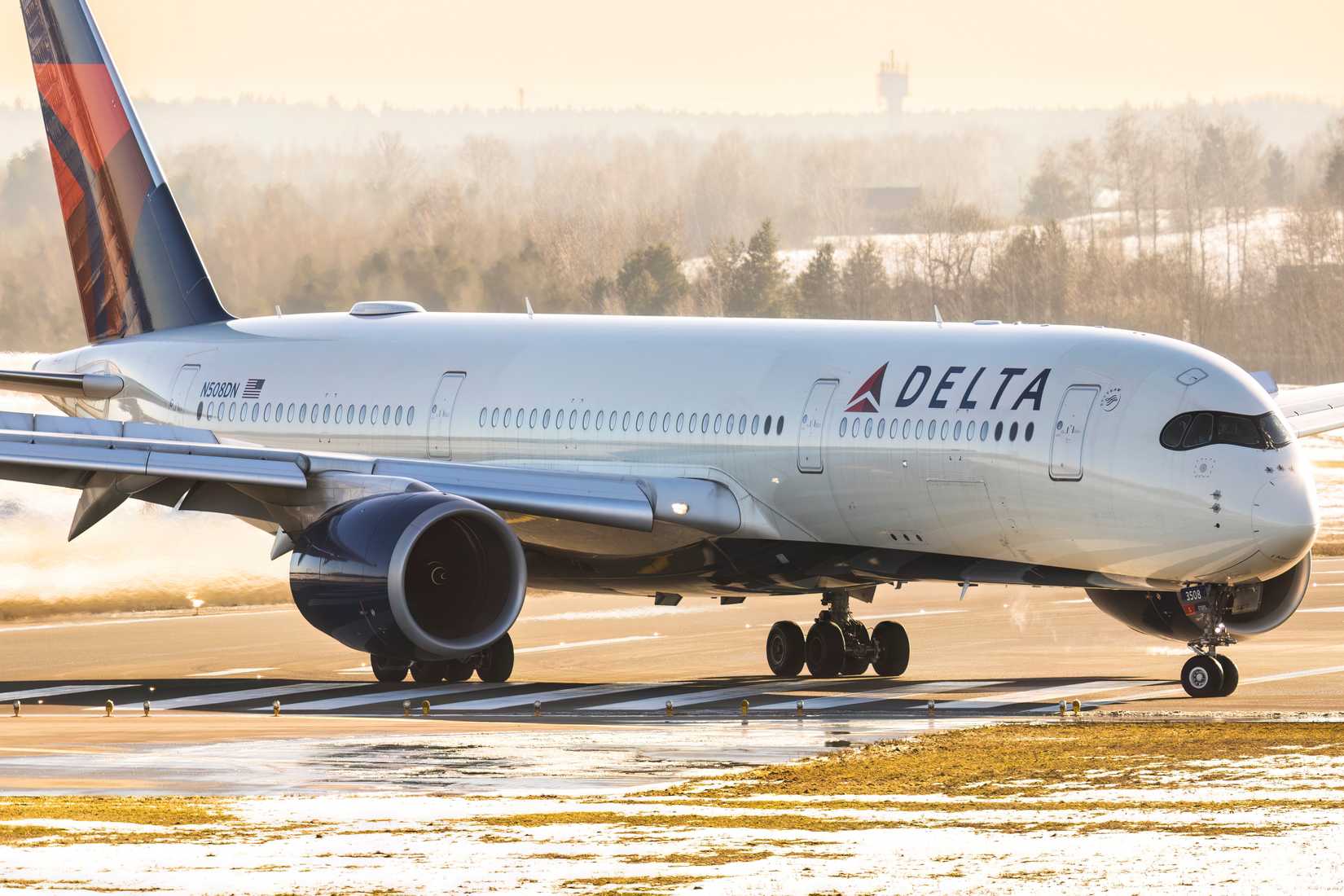
The economics underpinning ultra-long-haul flying have shifted dramatically heading into 2026, with a wave of contract realignments across the major US legacy carriers effectively eliminating the historic pay disparities that once distinguished Delta, United, and American widebody seniority lists. A 12-year captain flying a 777, 787, or A350 now commands an identical $465.13 per hour across all three carriers, with senior first officers earning $317.73 per hour on the same equipment. Translated into annual terms, a captain flying a standard 80-hour monthly bid clears a base salary in the $450,000 to $520,000 range before profit-sharing, retirement contributions, or premium pay are added—and at United and Delta in particular, total compensation packages routinely push top earners past $550,000 annually once an 18% non-matched retirement contribution and double-digit profit-sharing distributions are factored in. This standardization is a direct consequence of persistent crew supply constraints and unprecedented union bargaining leverage, both of which have reset the competitive floor for widebody pay industry-wide rather than allowing any single carrier to retain a cost advantage.
The mechanics behind these numbers matter as much as the headline figures. Because pilot compensation is block-hour based rather than tied to a conventional 2,000-hour work year, and because FAA-style flight-time limitations cap pilots near 1,000 hours annually, ultra-long-haul routes create a unique pay dynamic. Augmented "heavy crew" operations—typically four pilots split into two operating pairs on flights exceeding 16 hours—mean every pilot aboard receives full block credit for the entire sector, including hours spent resting in crew bunks. This allows widebody pilots to reach monthly credit targets of 75-80 hours in just three or four international round trips, compressing their flying into fewer duty periods while preserving extended blocks of time off for fatigue recovery. For an airline, however, this same structure quadruples the effective labor cost per flight leg, since four senior salaries are being paid simultaneously on a single rotation—a cost structure that carriers have had to accept as global demand for nonstop long-haul service continues to grow.
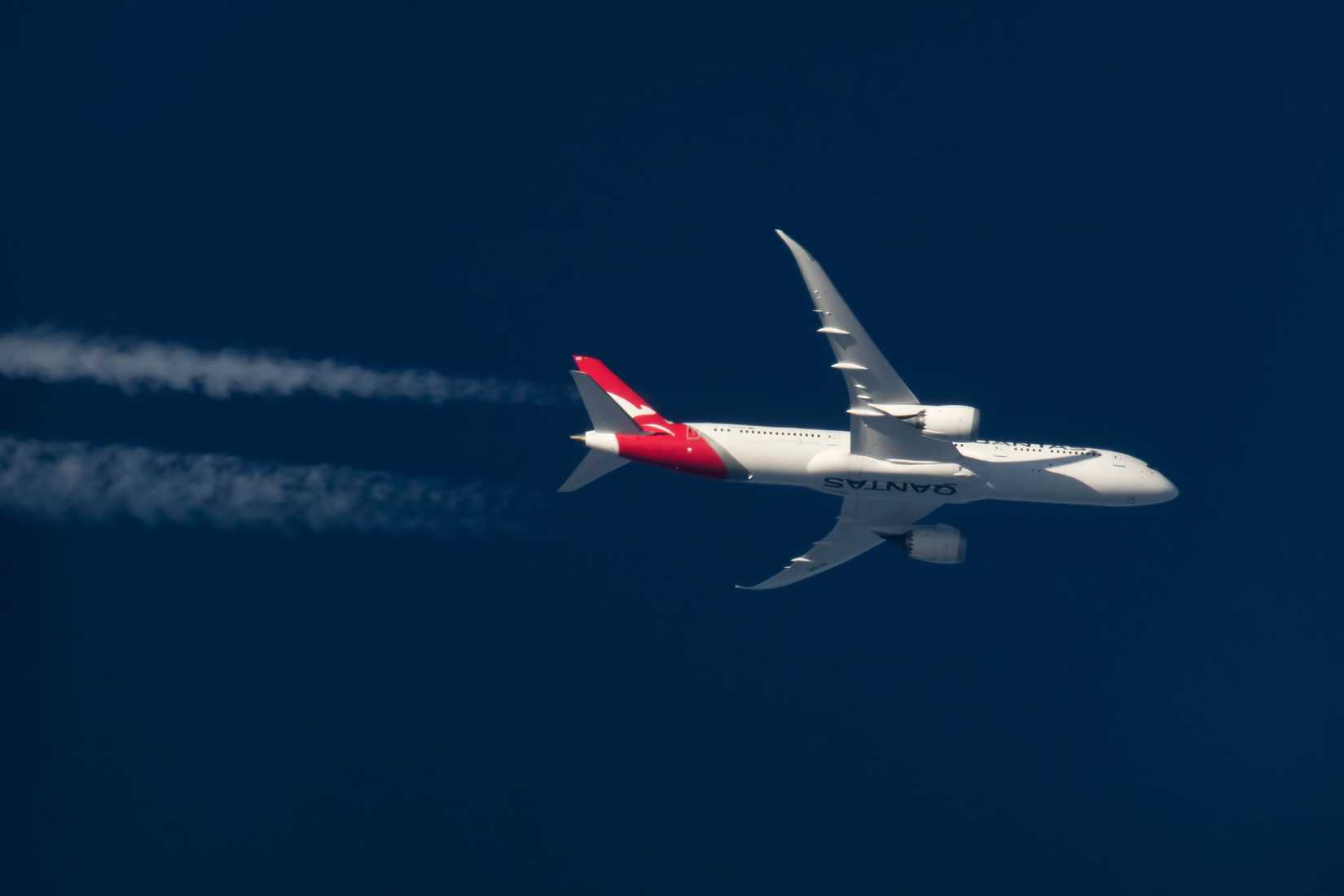
For working pilots, particularly those on widebody seniority lists or bidding toward international wide-body qualification, these developments carry direct career implications. The near-total convergence of pay rates among the US big three removes what was historically a major differentiator in furlough-recall decisions, network base preferences, and lateral-transfer calculus—pilots can no longer count on a meaningful hourly advantage by chasing a specific legacy carrier, shifting the decision calculus toward domicile, quality of life, fleet assignment, and retirement structure instead. It also signals that union negotiating committees, emboldened by tight crew supply and strong replacement-cost leverage post-pandemic, have successfully used pattern bargaining to force parity rather than let carriers compete on cost. Meanwhile the international flag-carrier model—exemplified by Singapore Airlines, Qantas, and Air New Zealand—remains structurally distinct, relying on fixed base salaries layered with international allowances rather than pure hourly rates, meaning direct pay comparisons between a Newark-based 777 captain and a Changi-based A350 captain require careful normalization beyond simple hourly multiples.
Broader trends reflected here extend well beyond the cockpit pay stub. The economics of ultra-long-haul flying—now a permanent fixture of route networks with aircraft like the A350-900ULR, 777X, and 787-9 enabling routes exceeding 9,500 miles—are forcing airlines to internalize genuinely higher crew costs as a fixed feature of network planning, not a temporary anomaly. This has downstream implications for route profitability modeling, aircraft acquisition strategy, and scheduling philosophy, particularly as carriers weigh nonstop ultra-long-haul routes against one-stop alternatives with lower crew costs but longer total trip times. For business aviation and Part 135 operators, the ripple effect is already visible in the broader pilot labor market: as legacy widebody pay ceilings rise in tandem, the wage gap pulling experienced captains toward the majors widens further, intensifying retention pressure on charter, fractional, and corporate flight departments that must now benchmark against six-figure widebody compensation packages simply to remain competitive for senior talent.









 Read original article